.svg)
ApplicationsCasting patterns
Investment casting patterns
Printed patterns replace the wax and the tool that makes it. Castable resins for jewellery and engineering castings on your own DWS or UnionTech machine. Large SLA master patterns from our bureau for foundries and sculptors.
What it is
Printed patterns for lost-wax casting, from rings to bronzes.
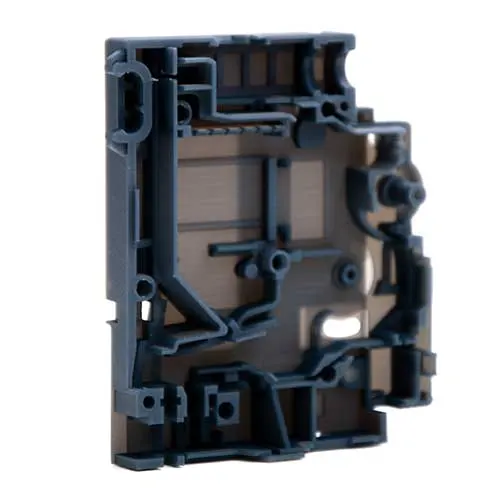
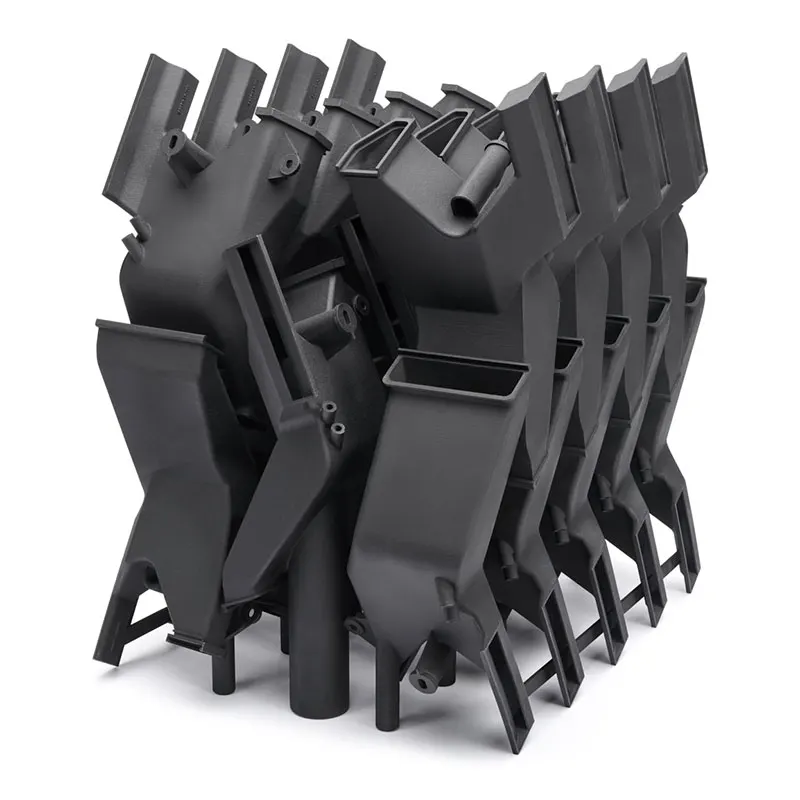
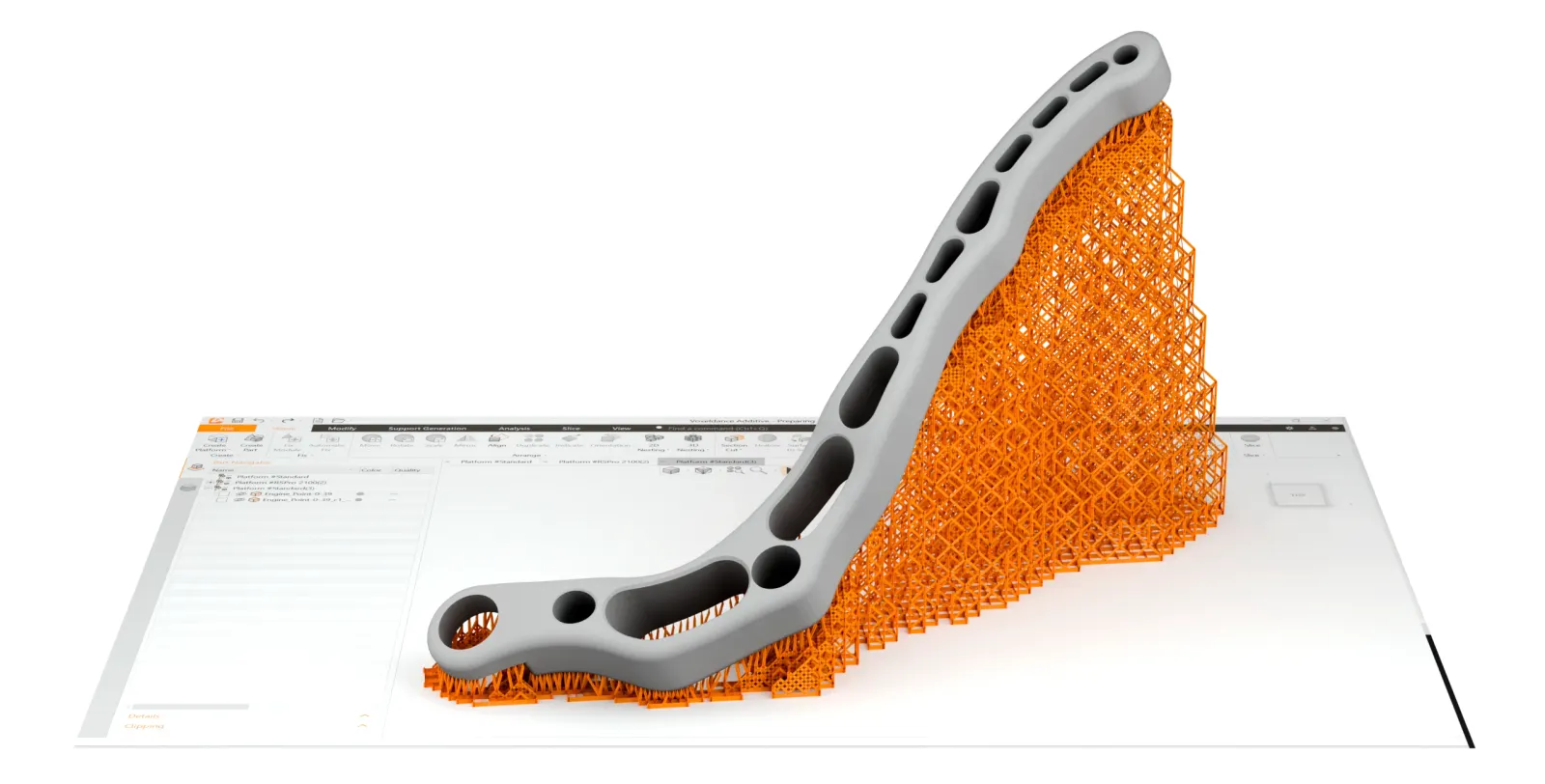
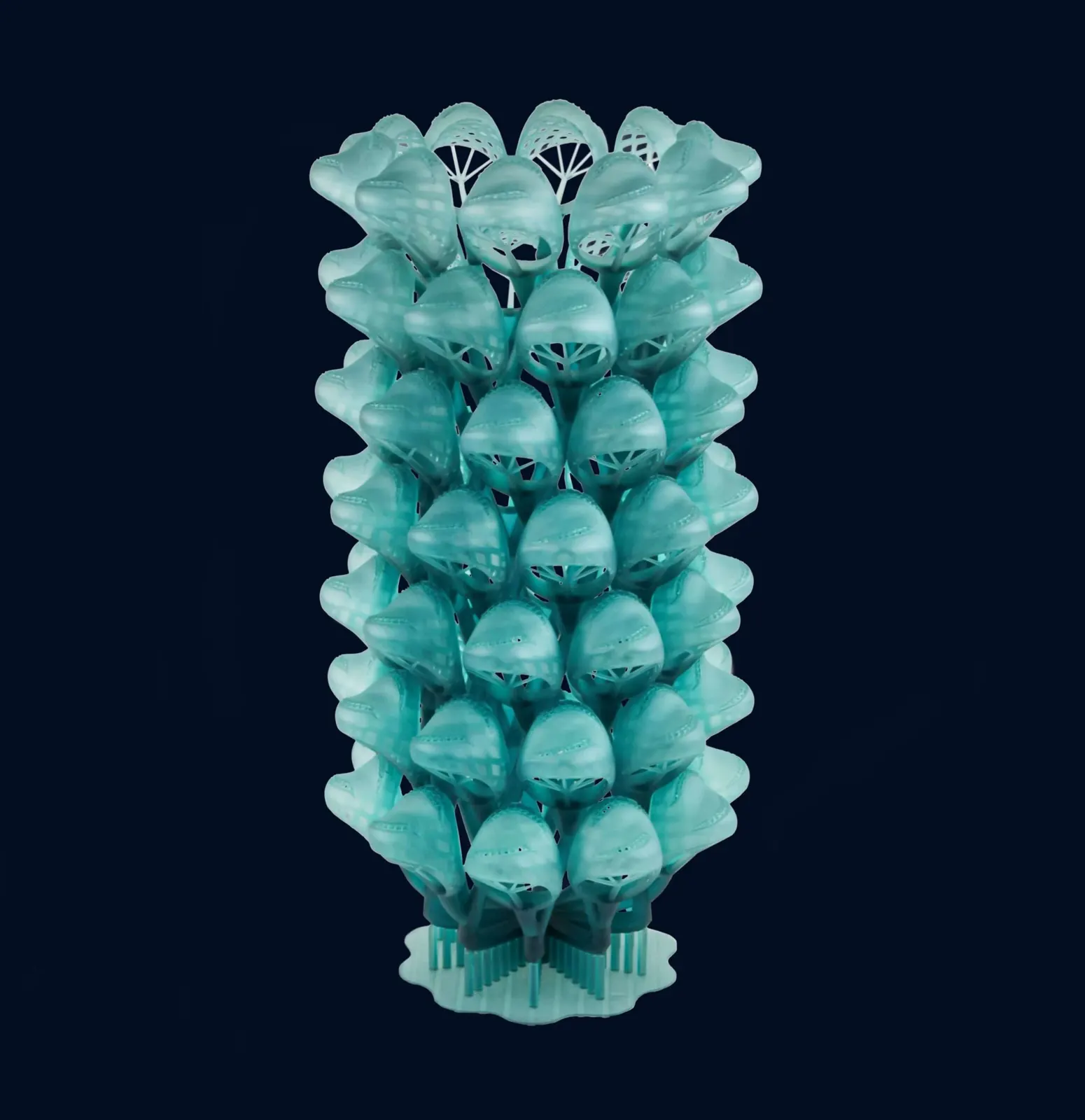
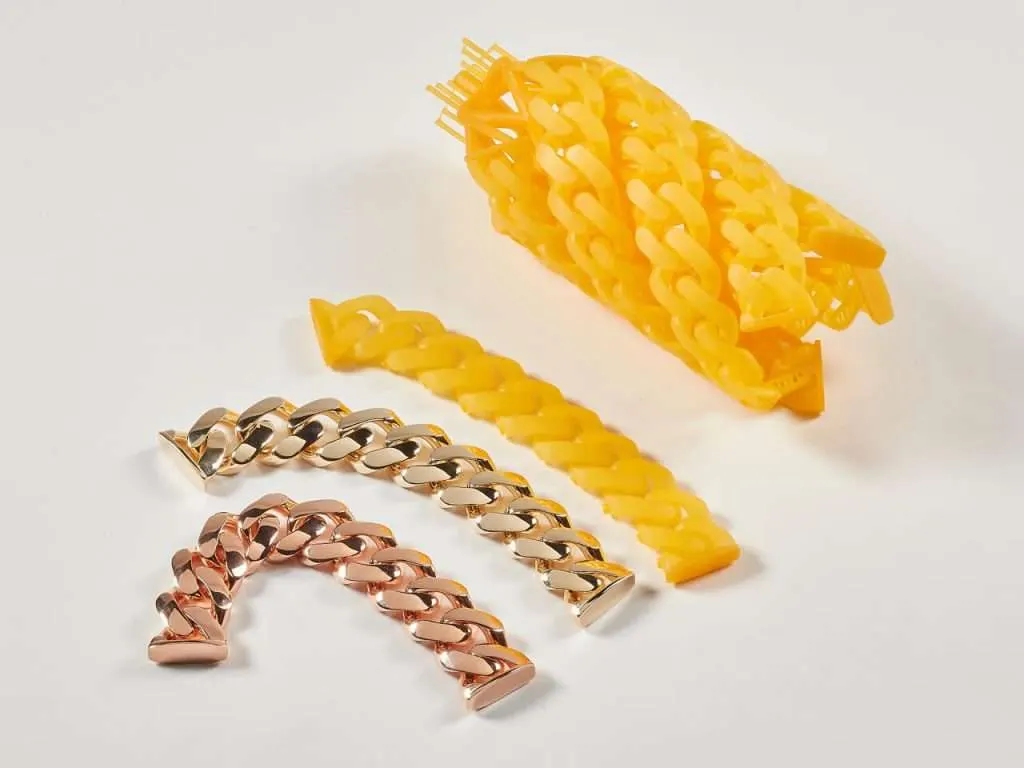
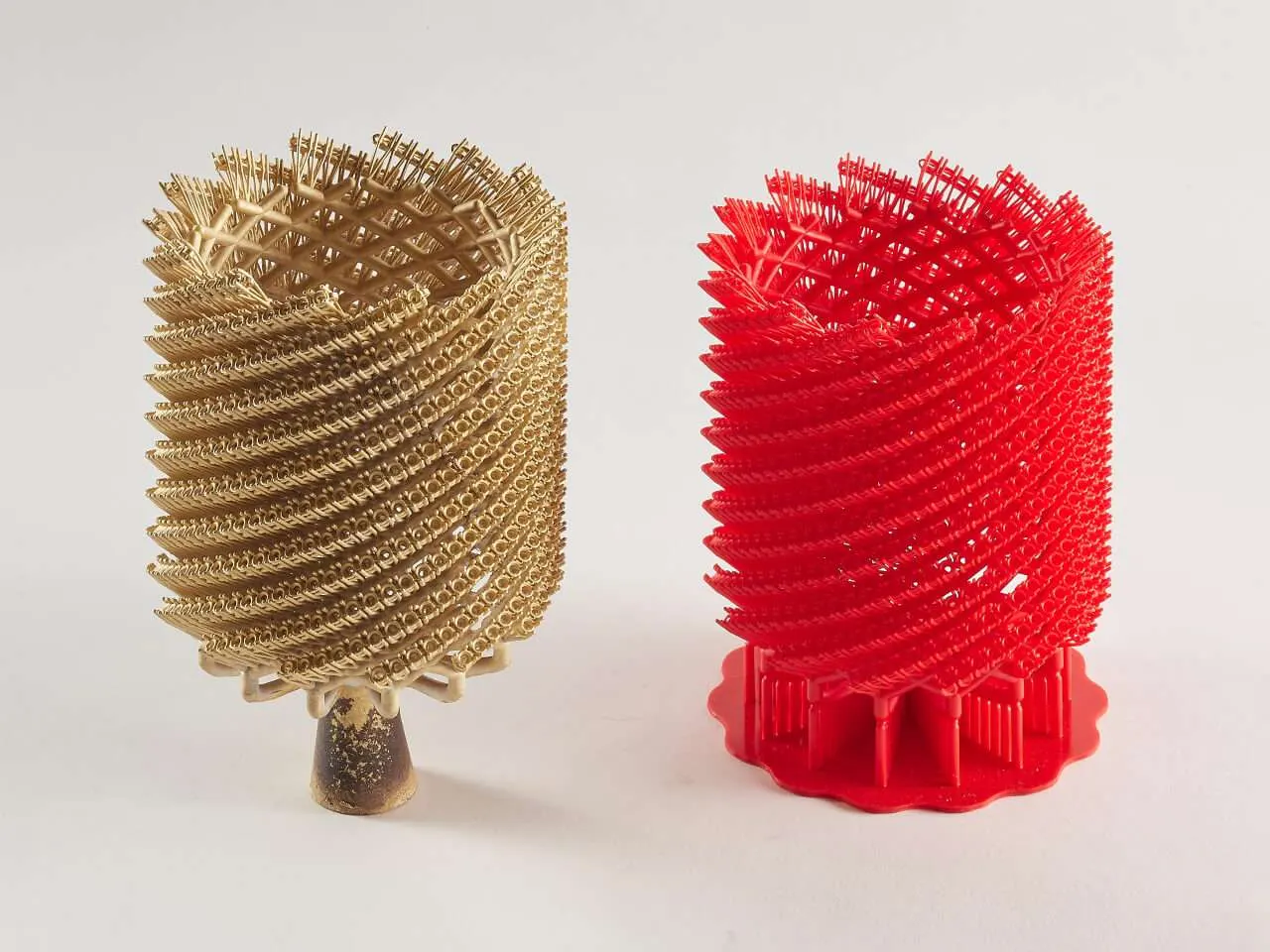
Investment casting normally starts with wax patterns injected into a metal tool, which is slow and costly for low volumes. A printed pattern in castable resin takes the wax’s place: it is invested in ceramic or plaster and burnt out, leaving the cavity for the metal.
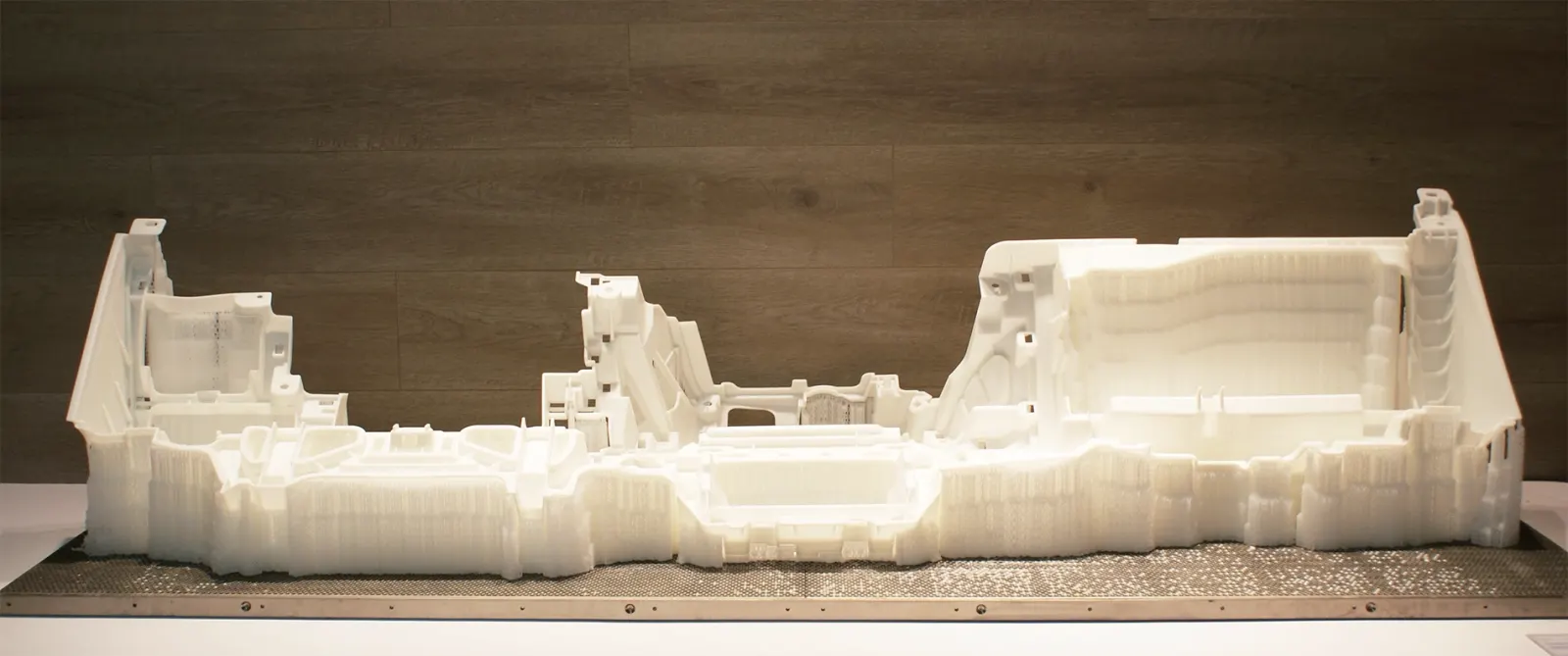
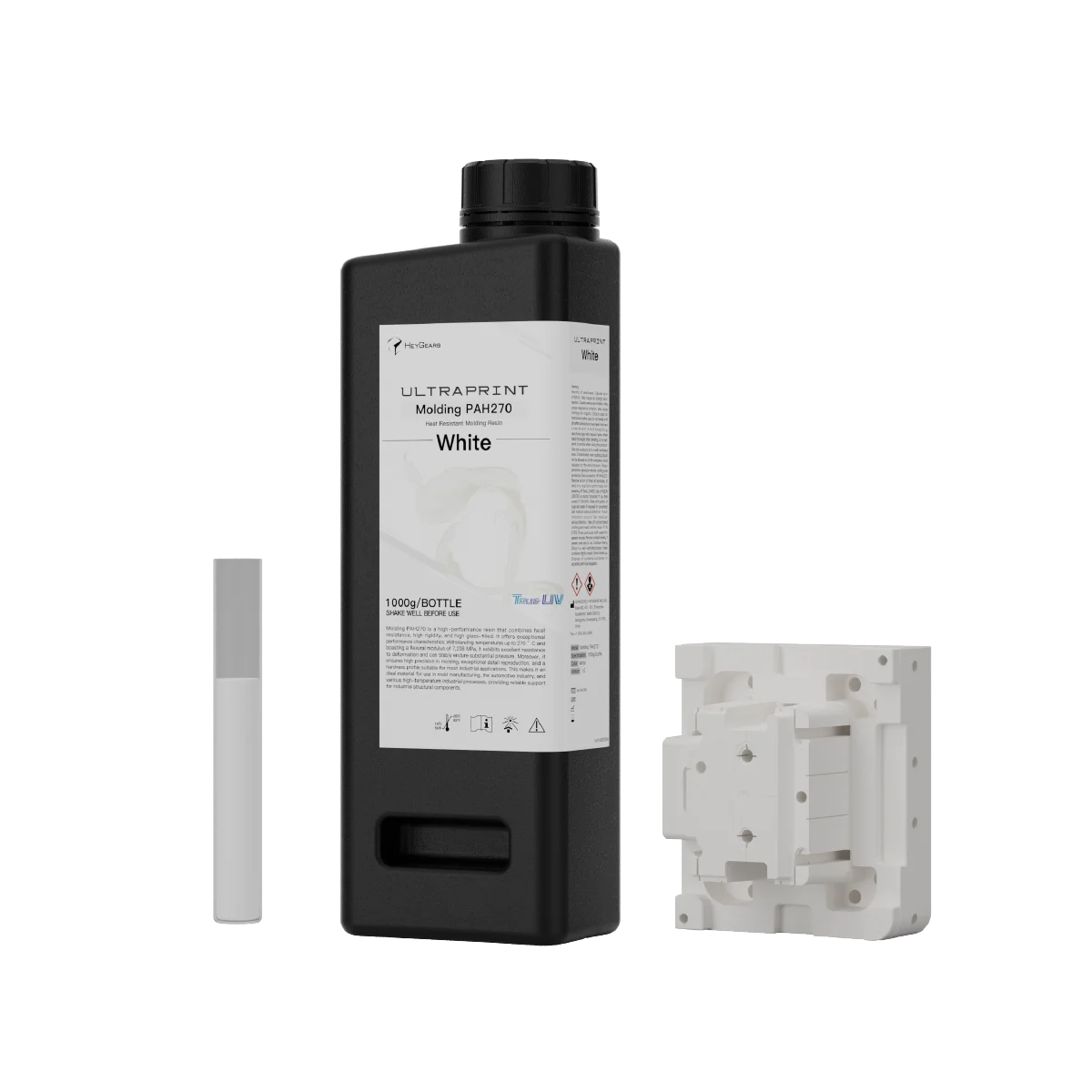
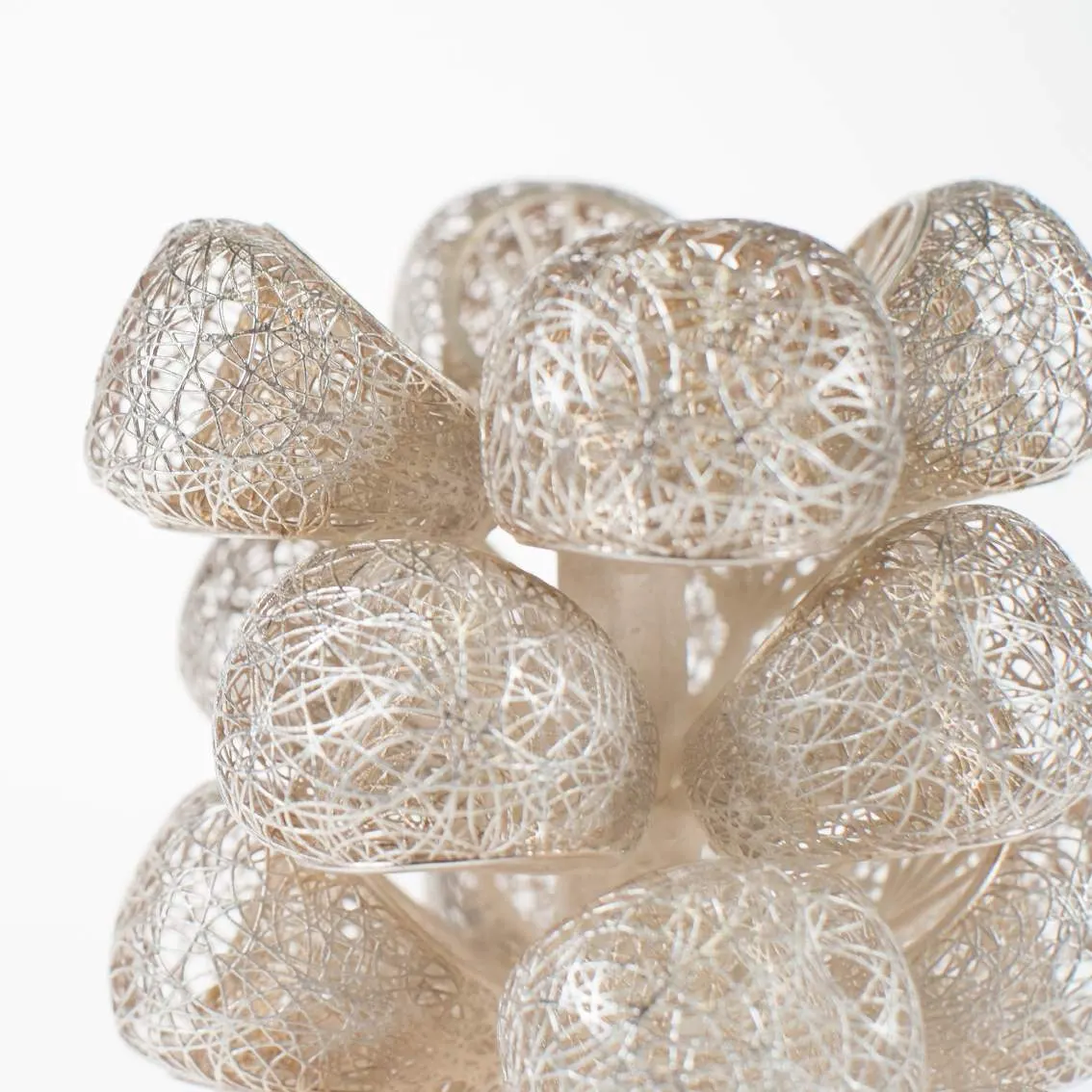
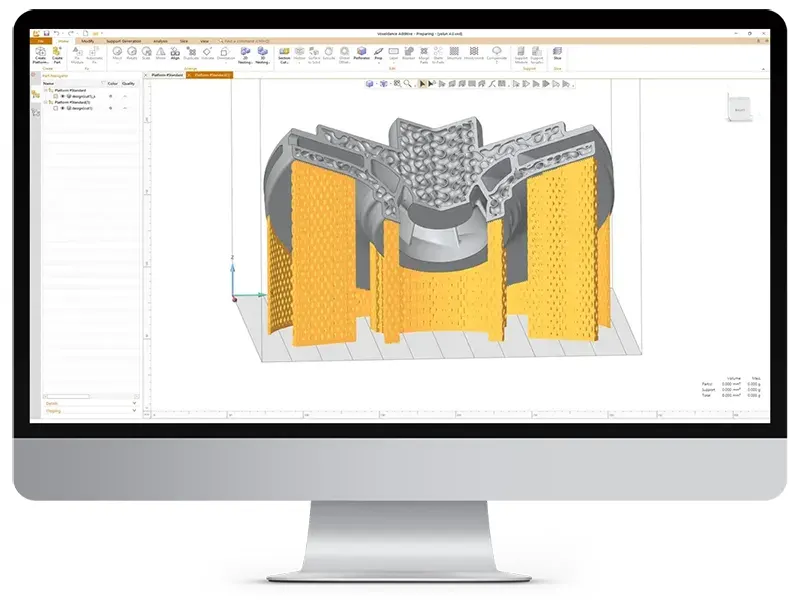
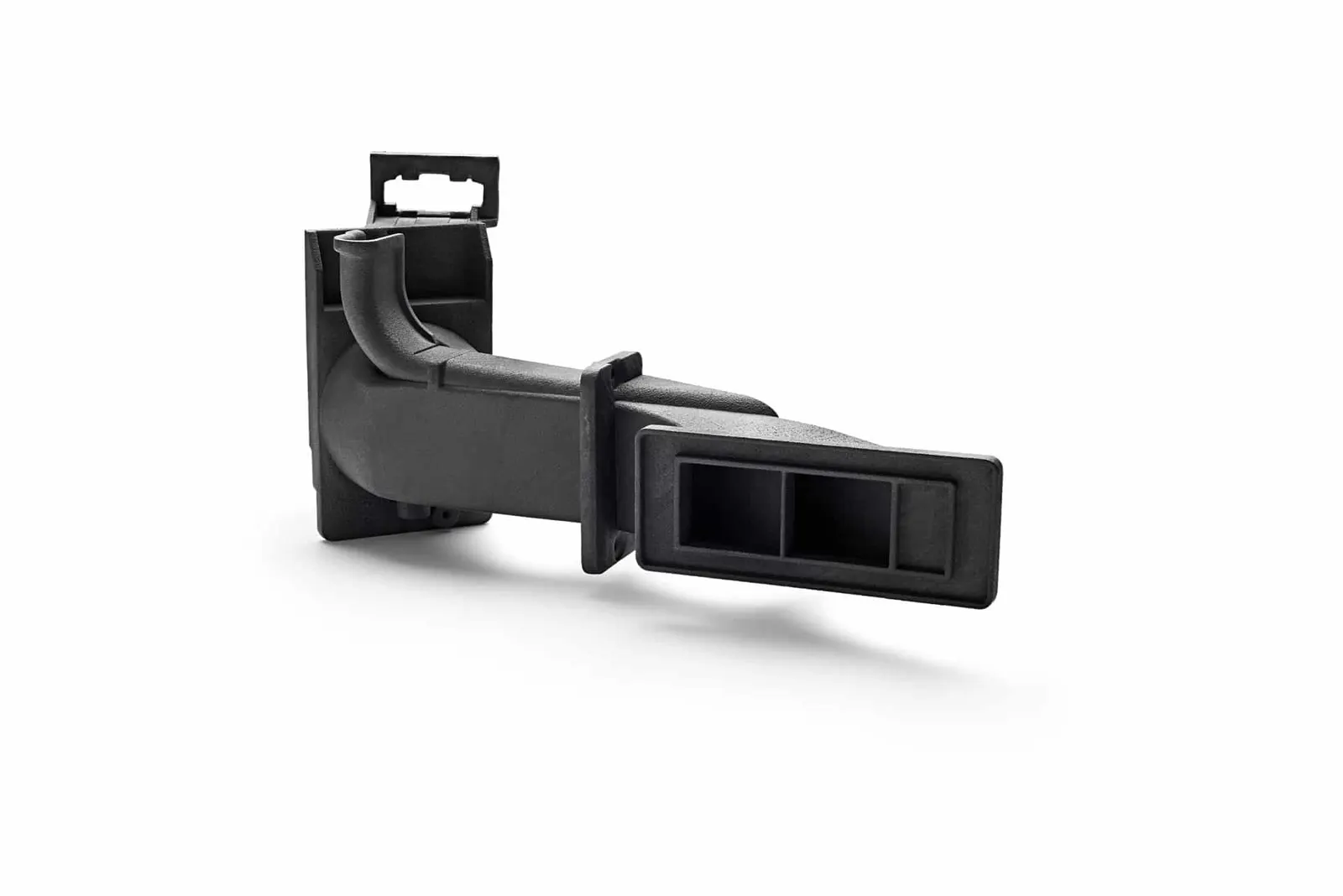
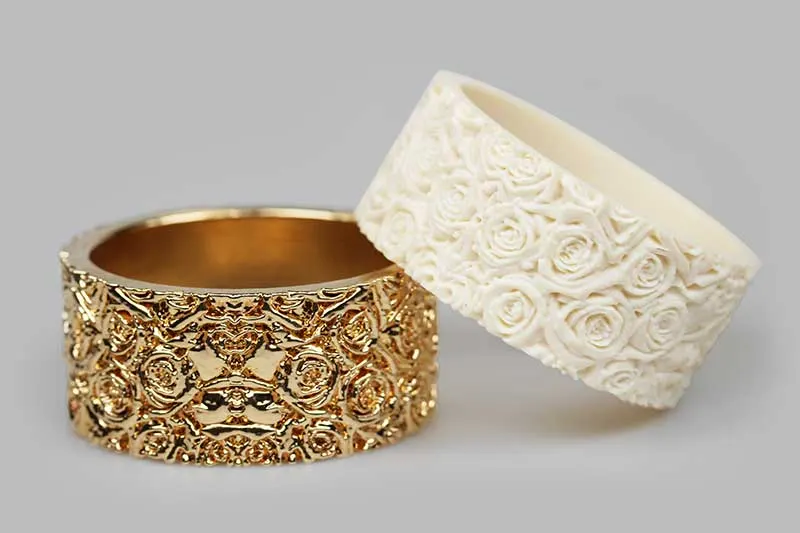
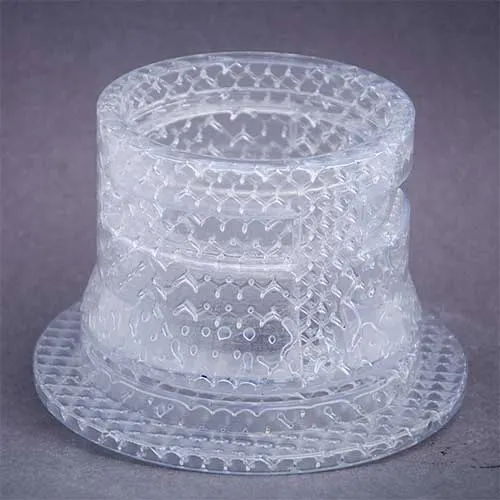
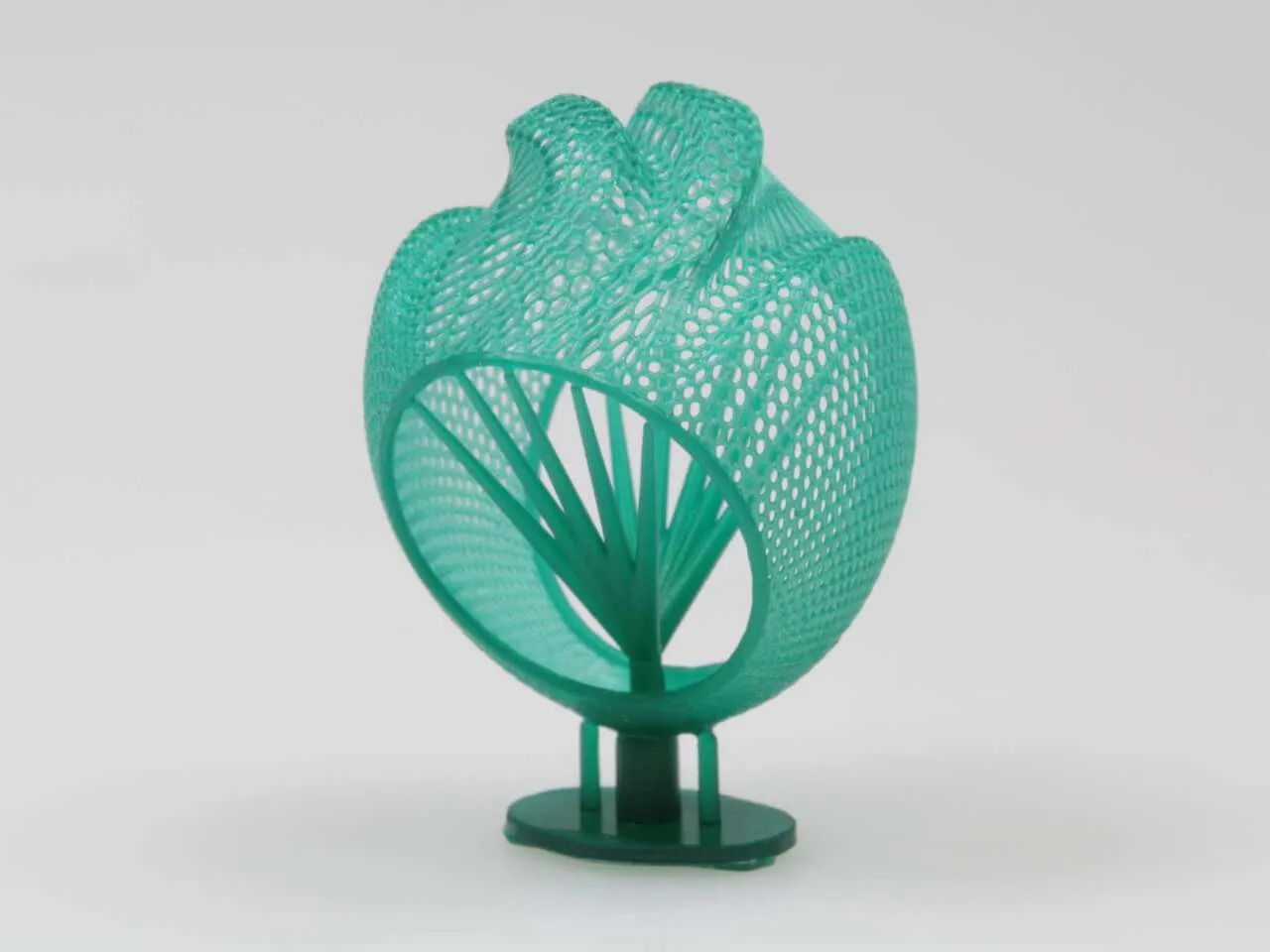
For jewellery, DWS built its printers around this work, with resins formulated to burn out cleanly and detail measured in tens of microns. For engineering castings, Somos make low-ash, antimony-free resins for UnionTech SLA. Our bureau prints large master patterns in Standard White resin, used by foundries to make moulds and wax positives, notably for sculpture in bronze.
Why print it
What additive changes about this job, against machining, moulding and waiting.
- 01
No wax tool
Printing the pattern removes the tooling cost and lead time that limits where investment casting pays.
- 02
Overnight, not weeks
Patterns print overnight, against weeks for machined tooling. The design can change between casts.
- 03
Clean burnout
Low-ash, antimony-free resins such as Somos WaterShed AF and Element suit speciality alloys, plus they cut mould clean-up.
- 04
Jewellery detail
DWS castables burn out easily and need no further hand finishing, at the detail a setting needs.
What it is printed in
Materials whose makers list this job, from our library. Compare the resins we sell online
Printers that make it
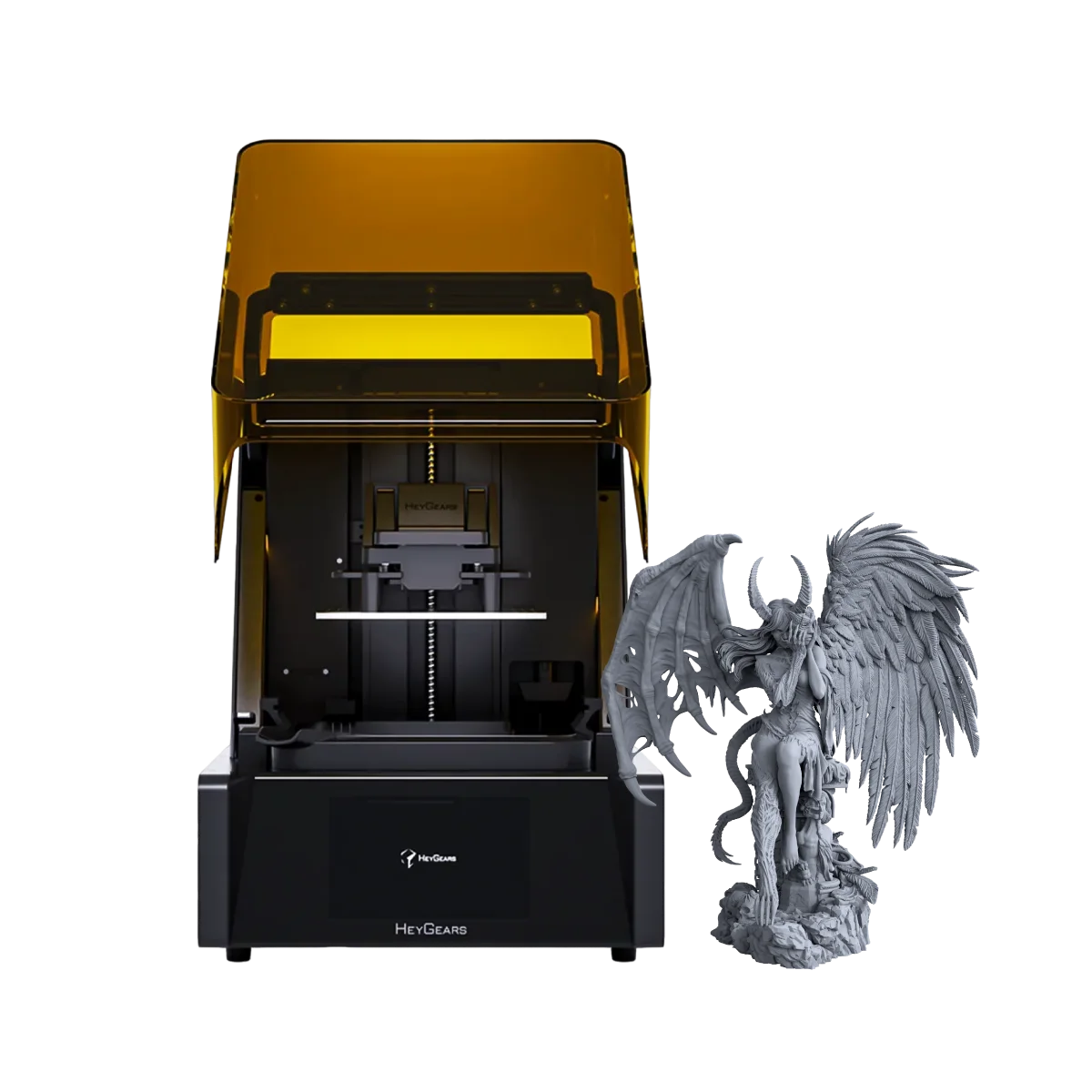
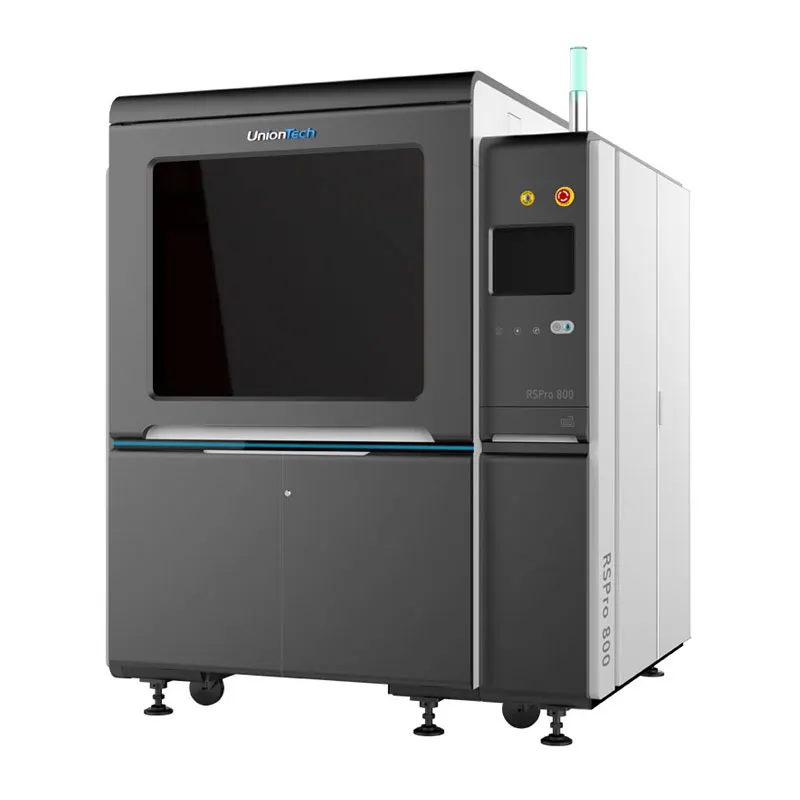
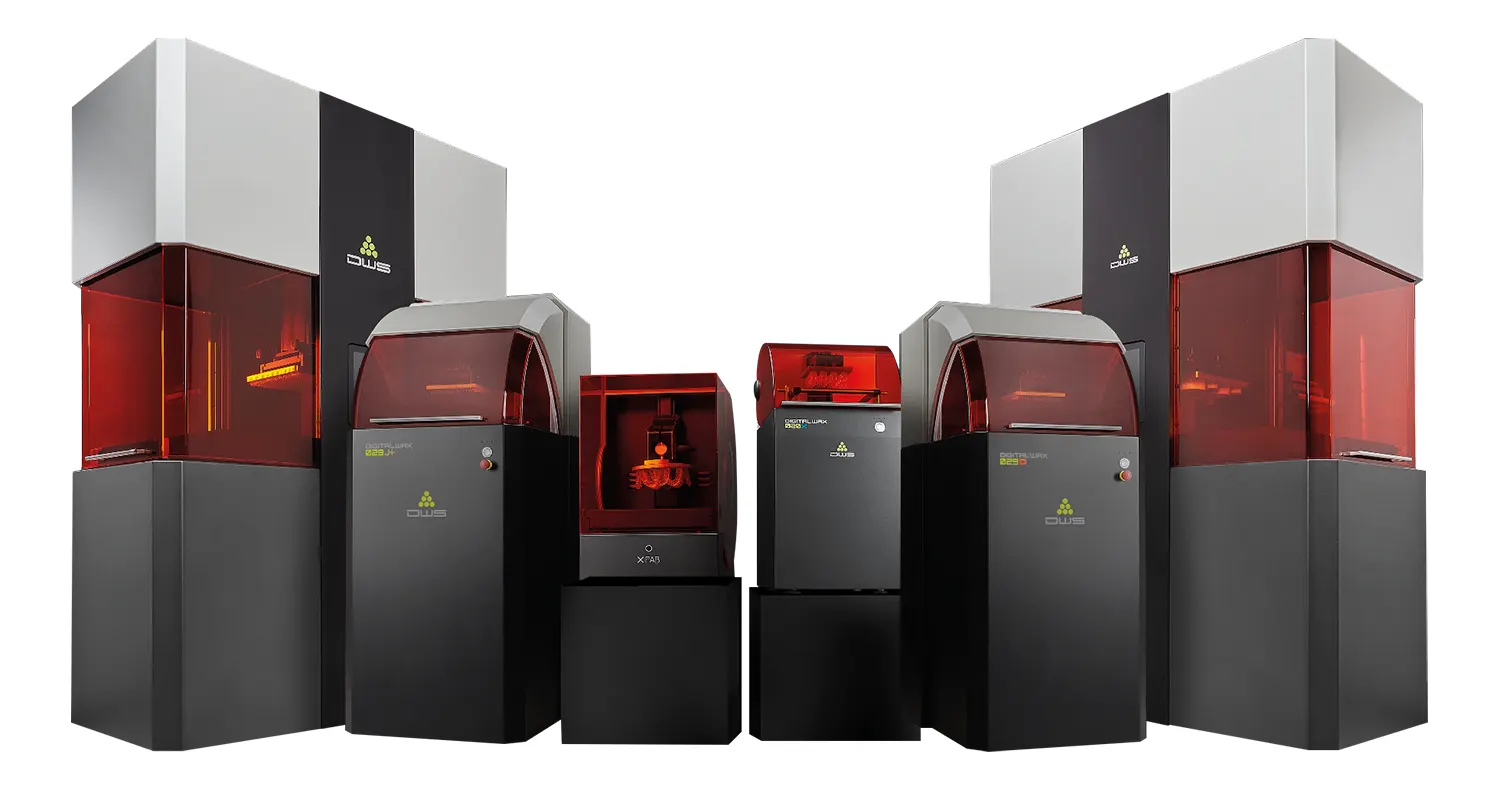
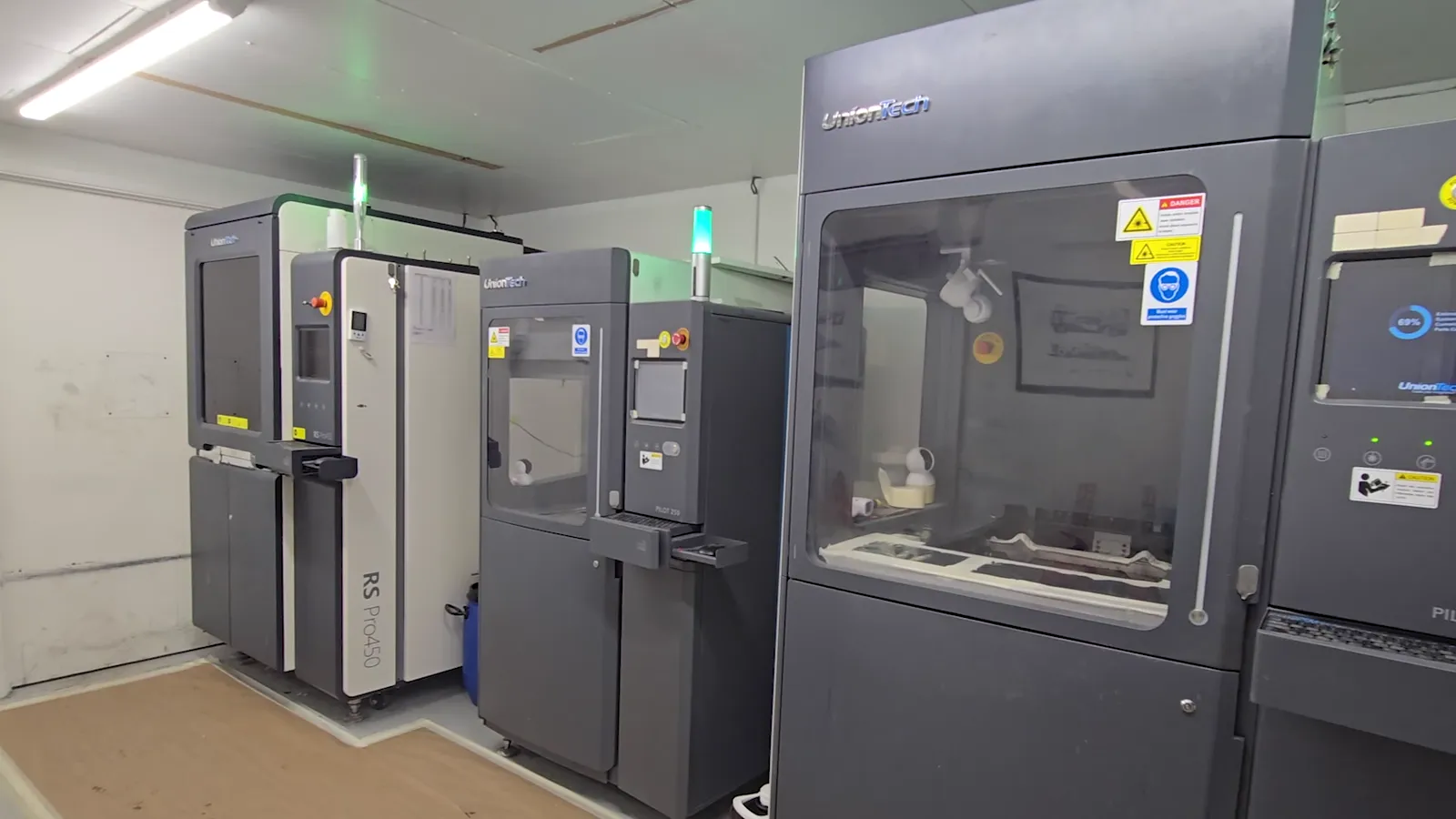
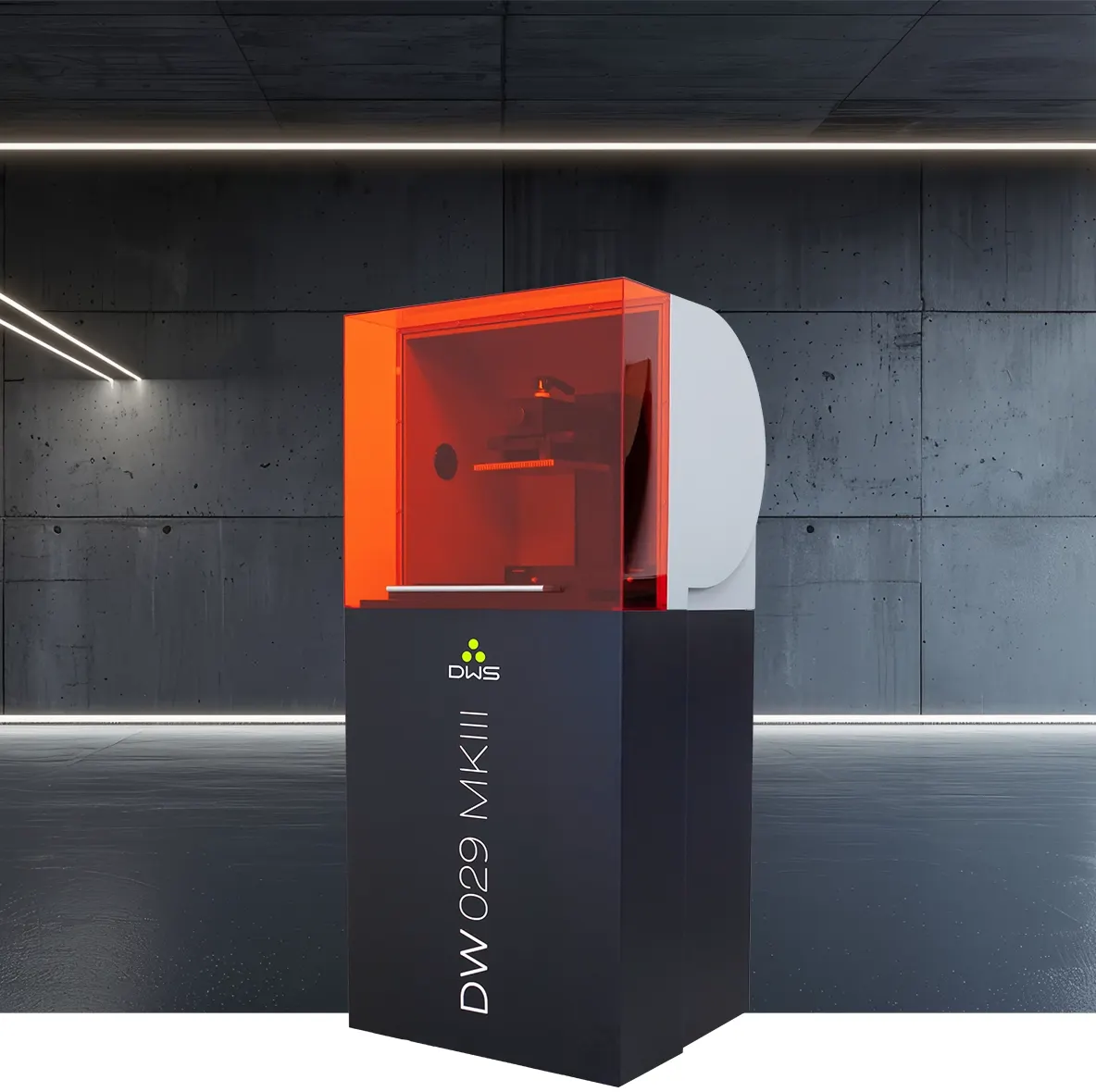
For when the volume justifies a machine of your own. Sold and supported in the UK.
Price on application
Find out more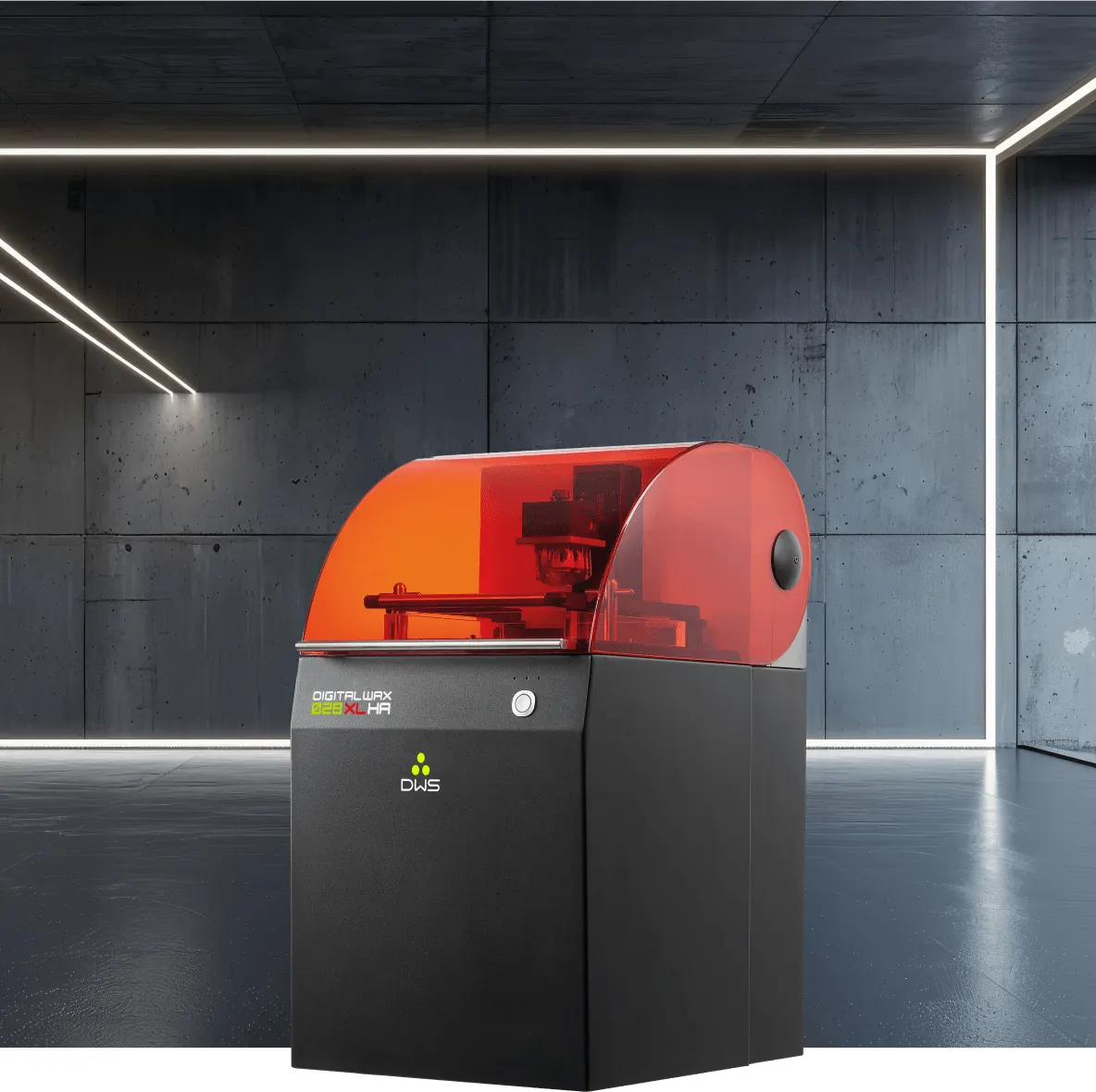
Price on application
Find out more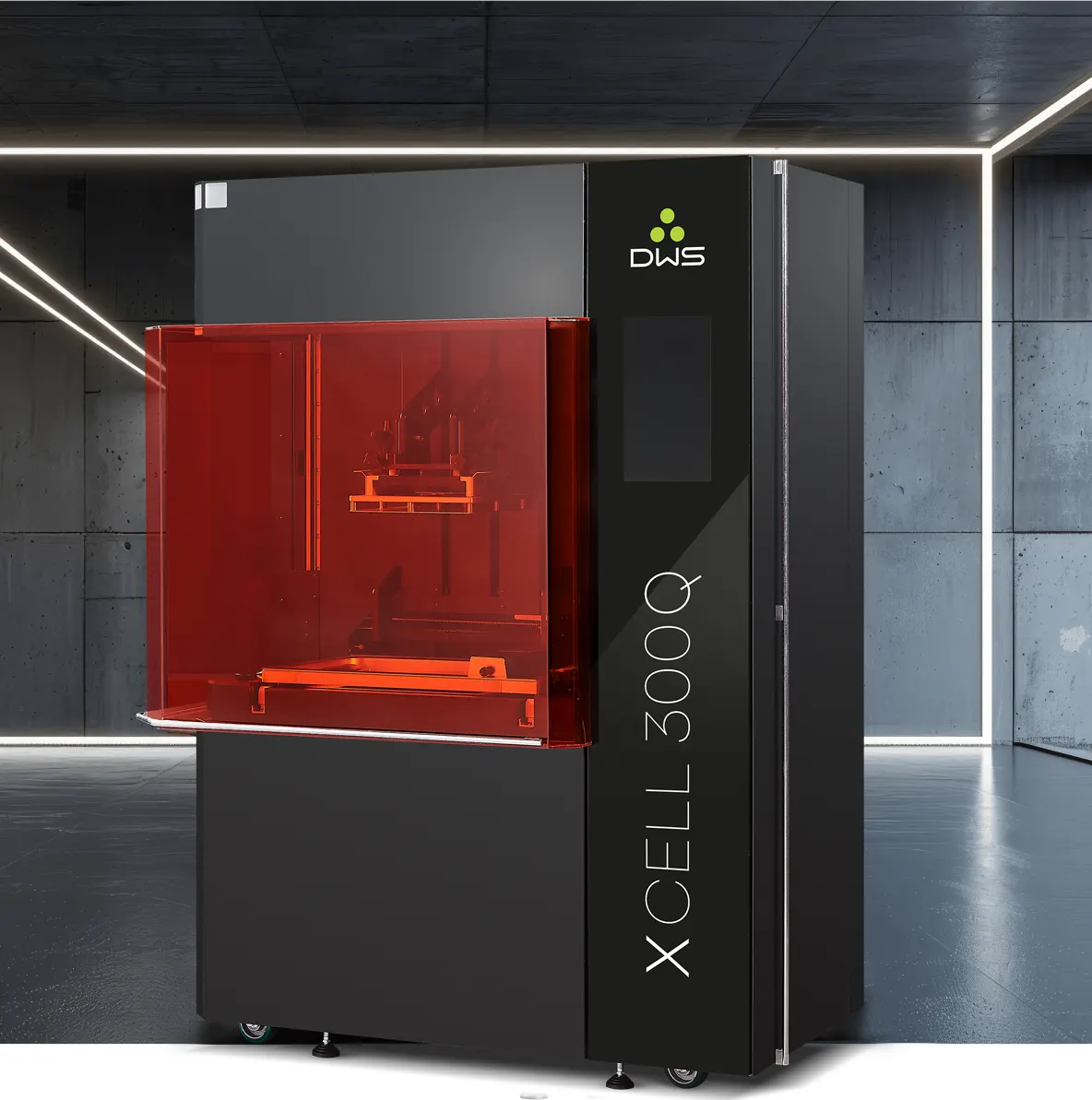
Price on application
Find out more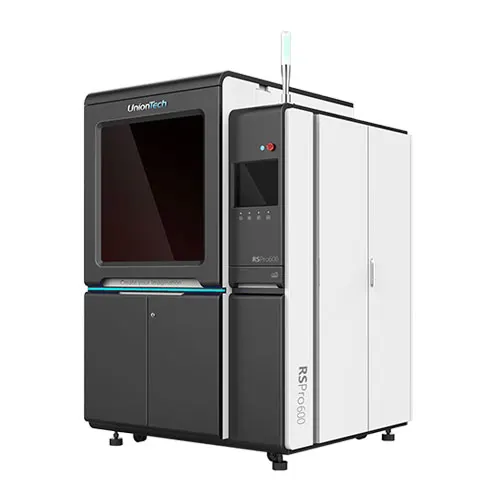
Price on application
Find out moreWork we have done
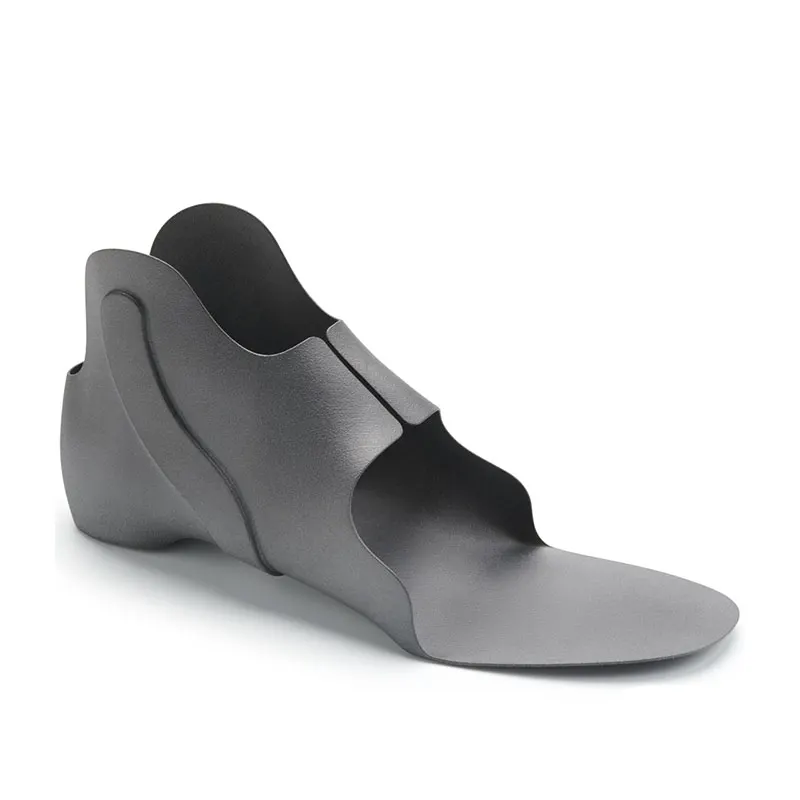
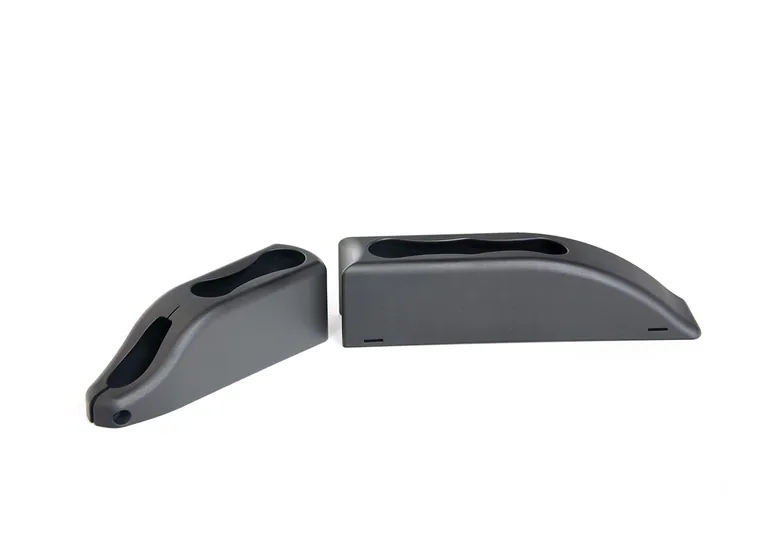
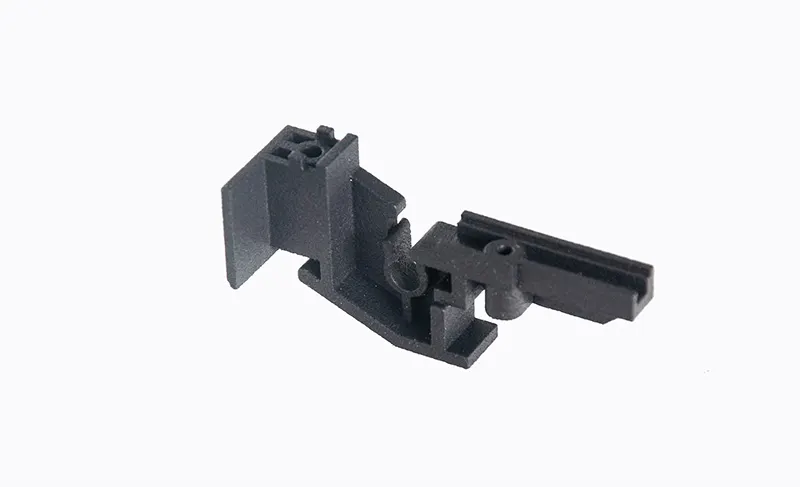
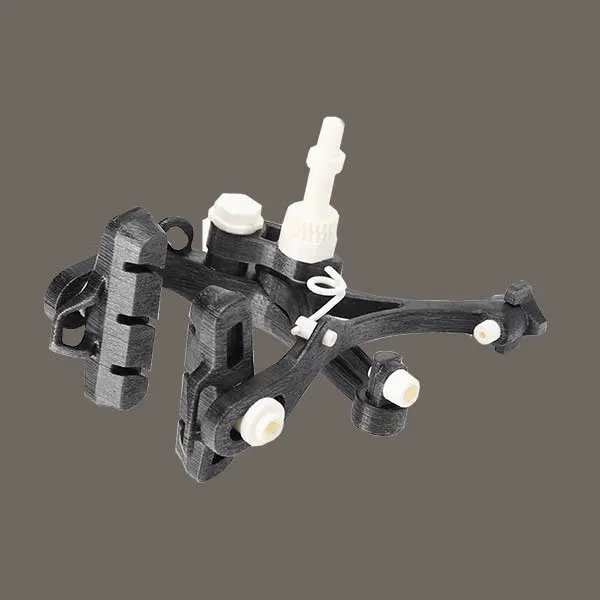
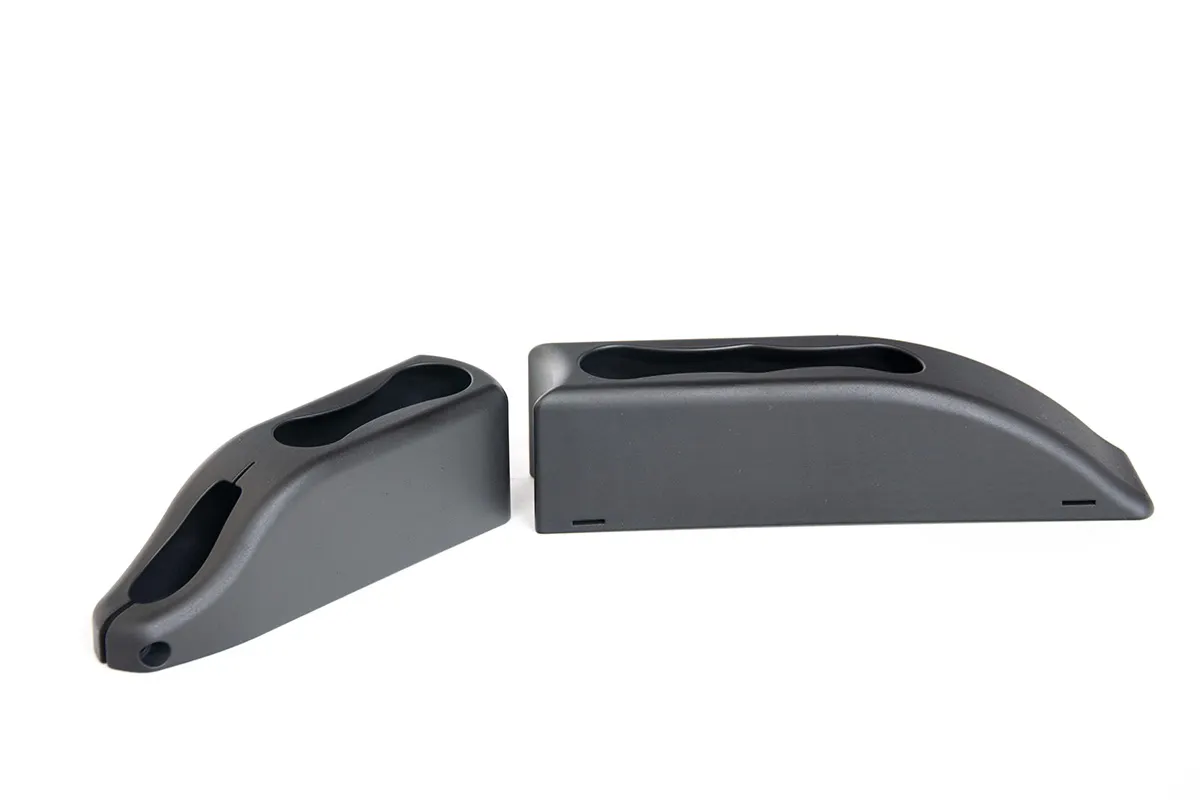
Photographed in our own lab, with the machine that did it.
Questions we get asked
Something else? Ring 0330 229 0175 and an engineer will answer it.
Why use an antimony-free casting resin?
Somos WaterShed AF is made without antimony for speciality alloys that are sensitive to it. Its patterns leave much lower ash after burnout, which cuts clean-up and speeds up mould production.
Which DWS machines run the Fusia castable resins?
DWS recommend the Fusia castables on the XPRO Q, XPRO QL and XCELL 300Q. The DW 028XLHR runs the full DWS jewellery range.
Can a printed part be used to make a rubber or silicone mould?
Yes. DWS Therma DM210 is made for rubber moulding at up to 90 °C and DM220 for vulcanising at 180 to 200 °C. Our Standard White SLA resin is also used to make moulds directly from the print.
Send us the part
Upload a STEP or STL to the instant quote and the price is on screen straight away. No file, or not sure of the process? Send the object itself, or ring, and an engineer will recommend the process and material.