.svg)
IndustriesAerospace & defence
3D printing for aerospace and defence
Weight comes out and lead times come down. A part that has not been made for thirty years can be made again this week. Nylon on HP Multi Jet Fusion where the load is the constraint, high temperature SLA resin where the heat is.
- Aerospace engineering and MRO
- Defence equipment and support
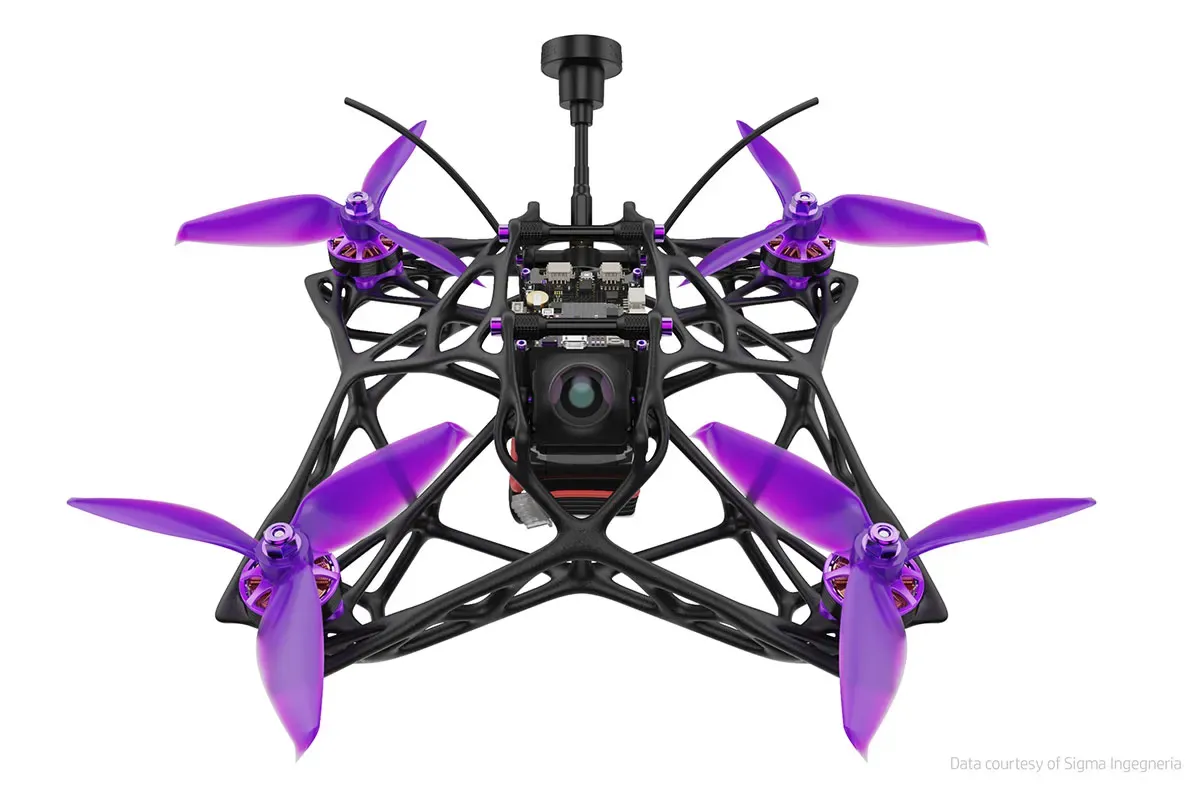
- UAV and drone developers
- Wind tunnel and test facilities
- Ground support equipment makers
- 227 °C
- heat deflection of High Temp 220D at 0.455 MPa
- 268 °C
- heat deflection of Somos PerFORM at 0.46 MPa after thermal post-cure
- 2.1 m
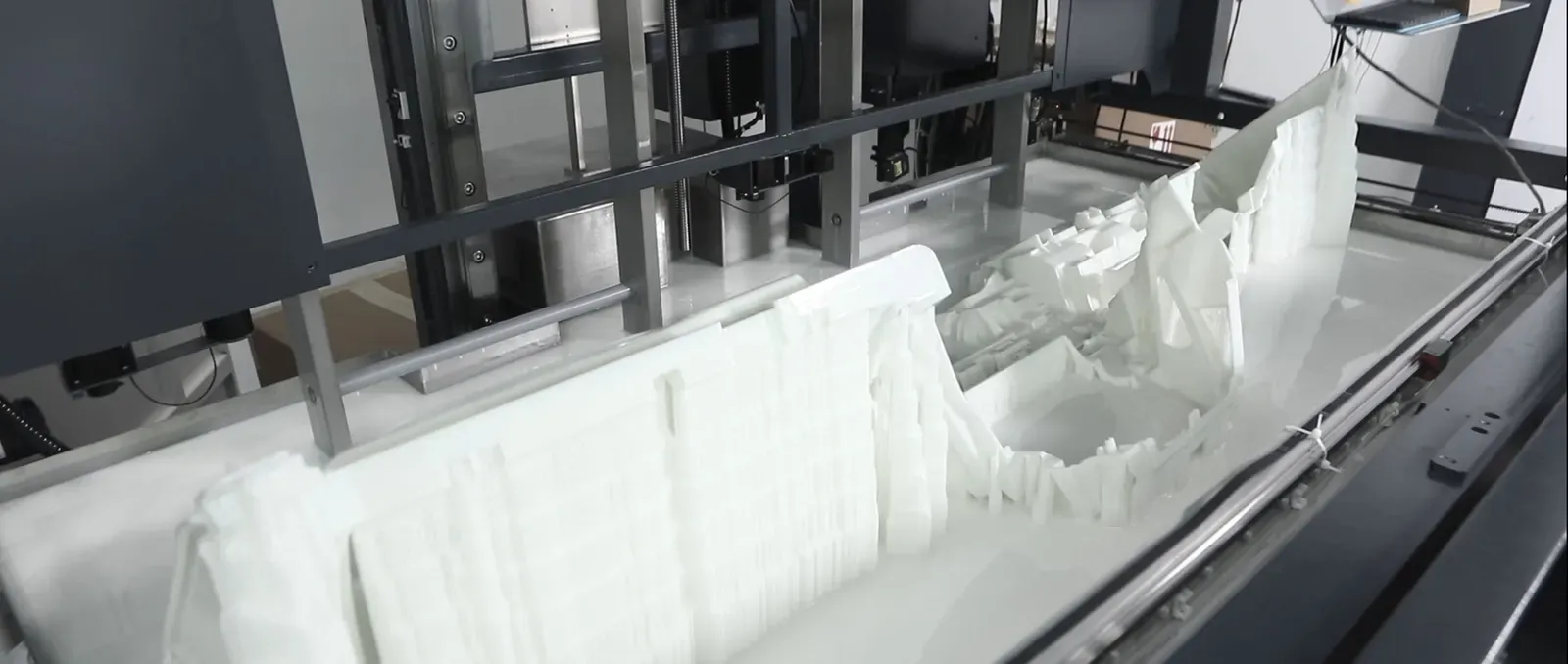
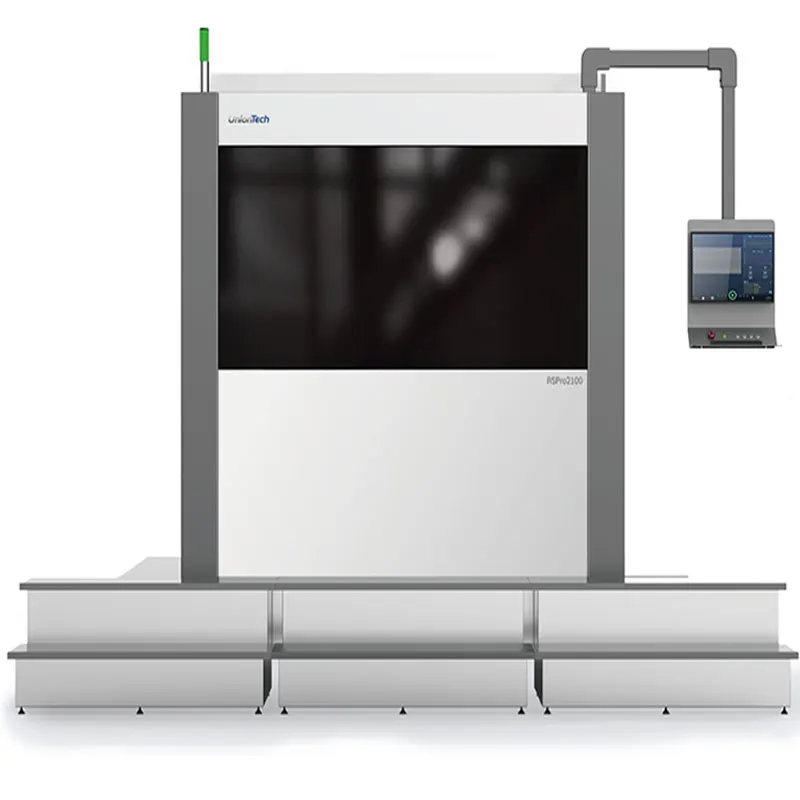
- longest single part on a UnionTech RSPro 2100
The constraints
Where conventional manufacture struggles
- 01
Every gram counts
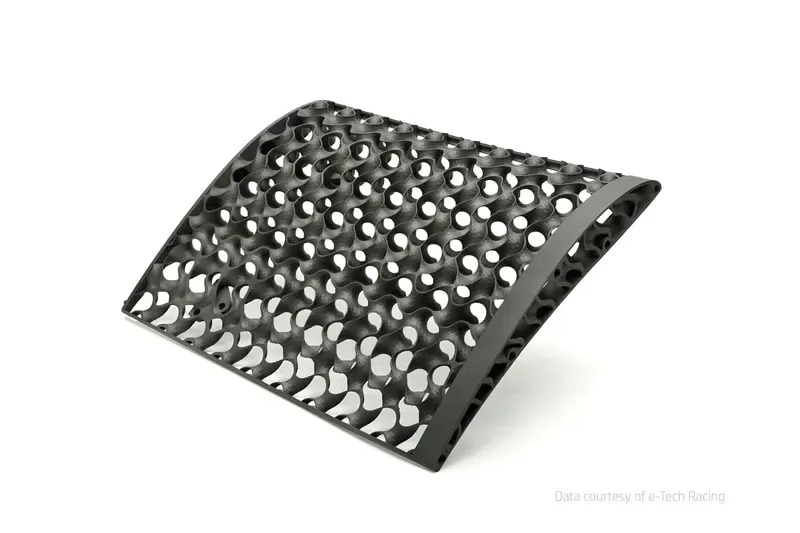
Brackets, ducting and cable management are made of material that is only there because a machined part needed it. Printing puts material where the load is.
- 02
Fleets outlive their suppliers
Airframes and equipment stay in service for decades. The original drawing is often lost and the spare is no longer made, but the part in hand can be scanned.
- 03
Test articles see heat
Wind tunnel models, ducting and housings near motors have to hold tight tolerances while hot, where standard resins soften or creep.
- 04
Tooling in ones and twos
Ground support equipment, templates and assembly tooling are needed in small numbers. That is exactly where machining is slow and expensive.
Materials for heat and stiffness
When the part has to hold its shape hot
Most aerospace parts we see are limited by one of two things: load or heat. For load, MJF nylon is the workhorse, with isotropic strength and a published specification. For heat, the choice is an SLA resin designed for it.
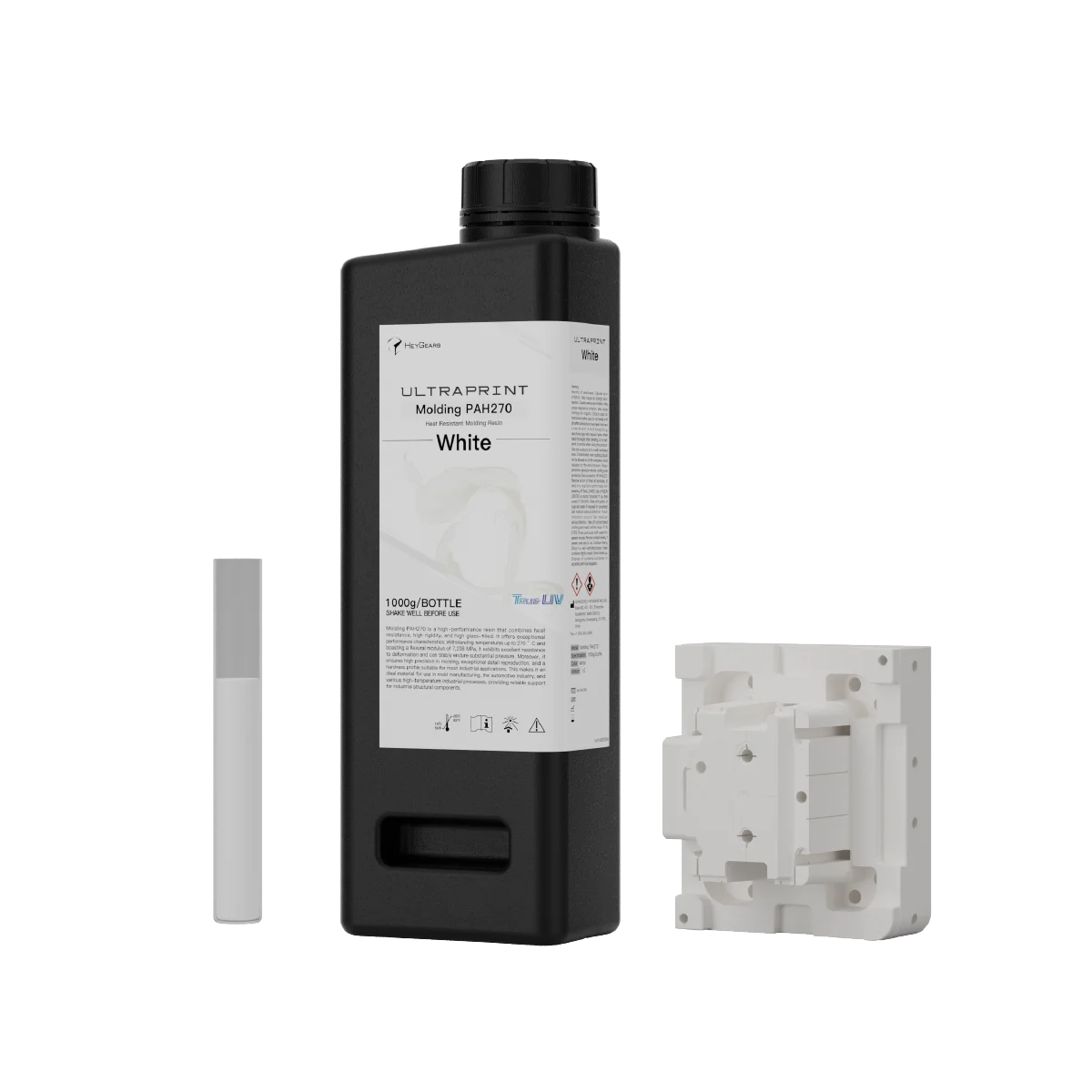
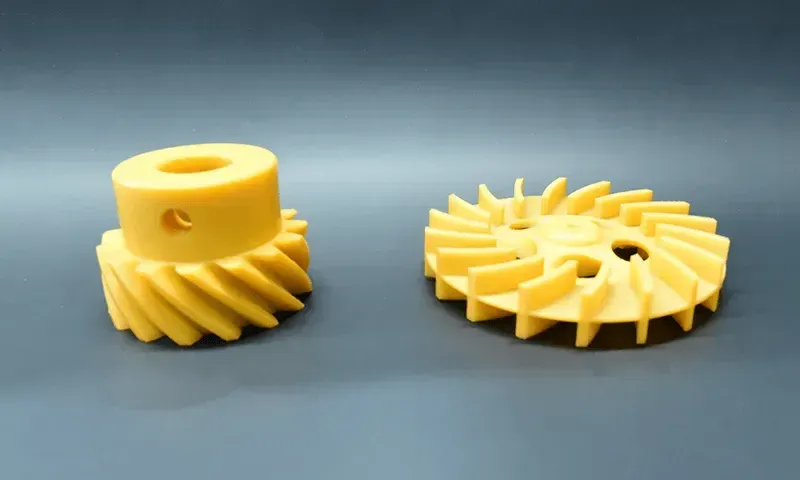
Our bureau prints High Temp 220D, a high temperature SLA resin that stays stiff and dimensionally stable for wind tunnel models, impellers, motor housings or rapid tooling. Its trade-off is honest: it is more rigid and less impact tolerant than a tough resin. It therefore suits heat and accuracy rather than shock.
For customers running their own UnionTech SLA, Somos PerFORM is the ceramic-filled composite used for wind tunnel models in aerospace and automotive work. Somos Taurus is listed by Stratasys for functional testing in aerospace.
- High Temp 220D (bureau)
- HDT 227 °C at 0.455 MPa, 170 °C at 1.82 MPa
- Somos PerFORM
- HDT 268 °C at 0.46 MPa after thermal post-cure
- Somos Taurus
- Heat tolerance up to 90 °C after UV and thermal post-cure
- PA12 nylon (bureau)
- HDT 175 °C at 0.45 MPa
- High Temp 220D build volume
- 600 x 600 x 400 mm
Where it earns its keep
What we print for air and defence work
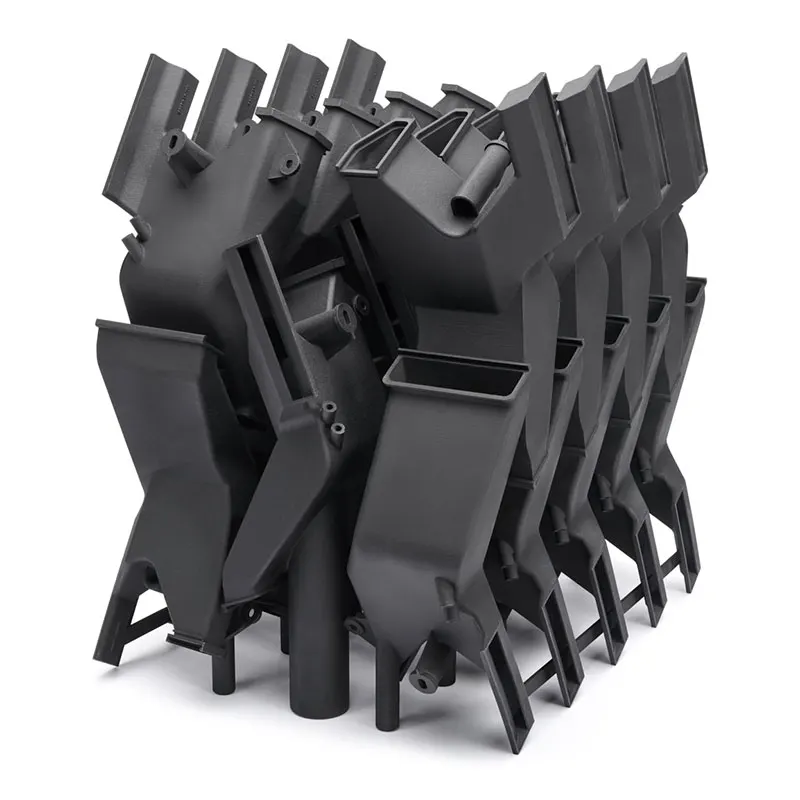
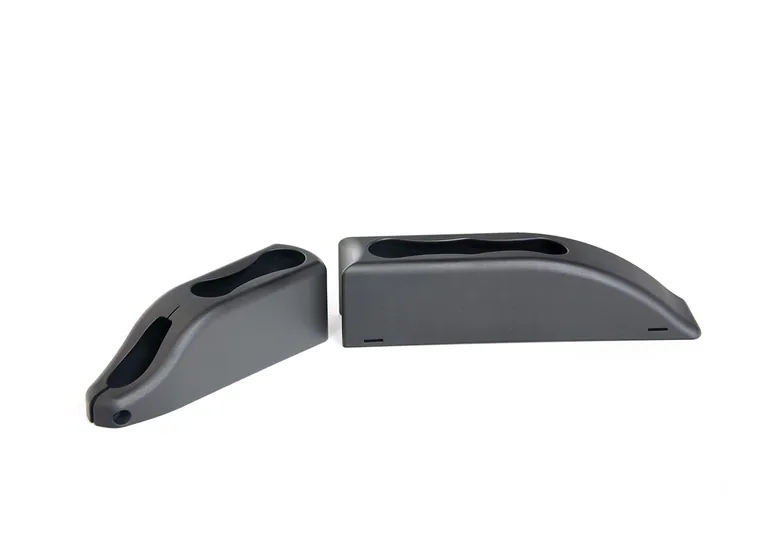
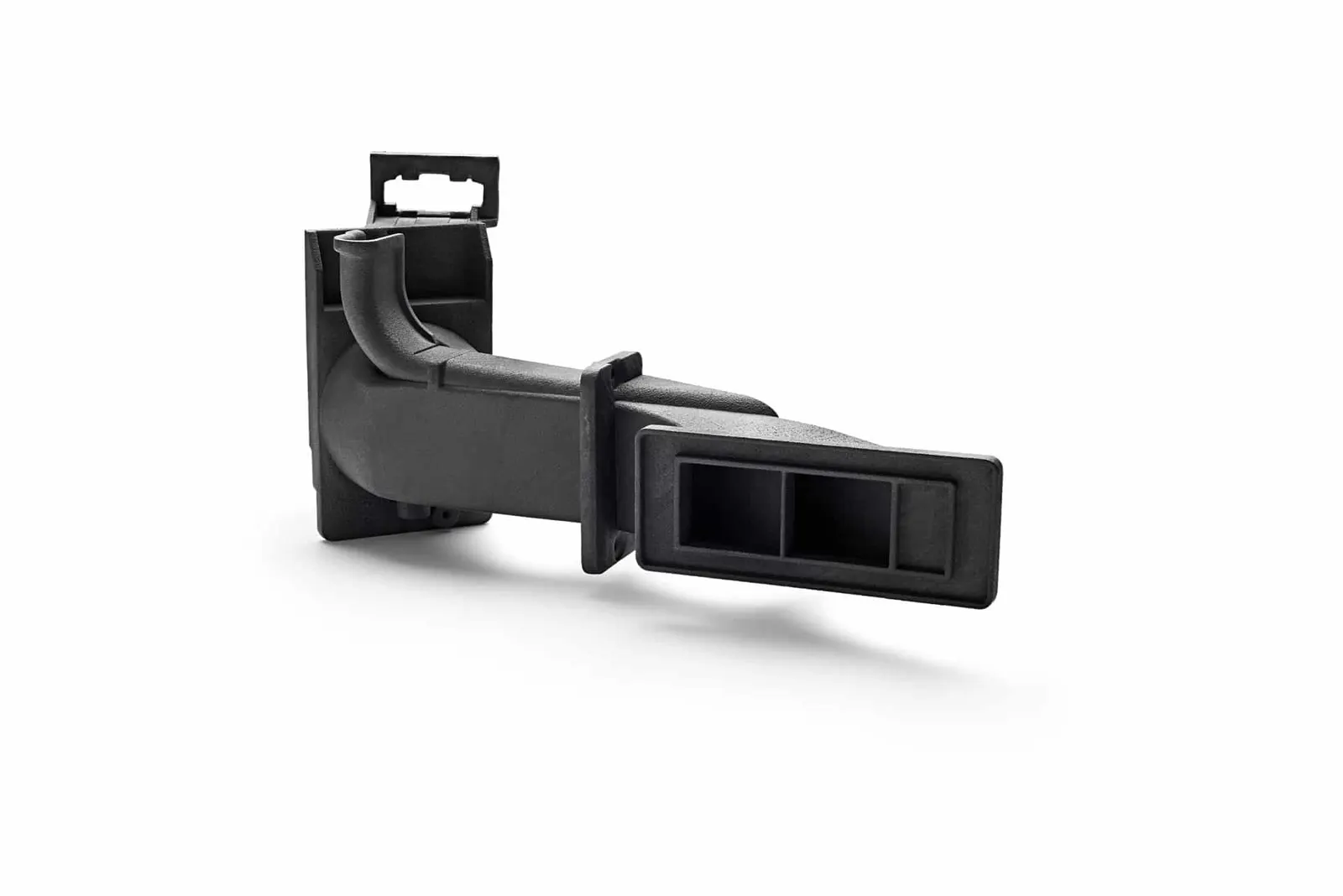
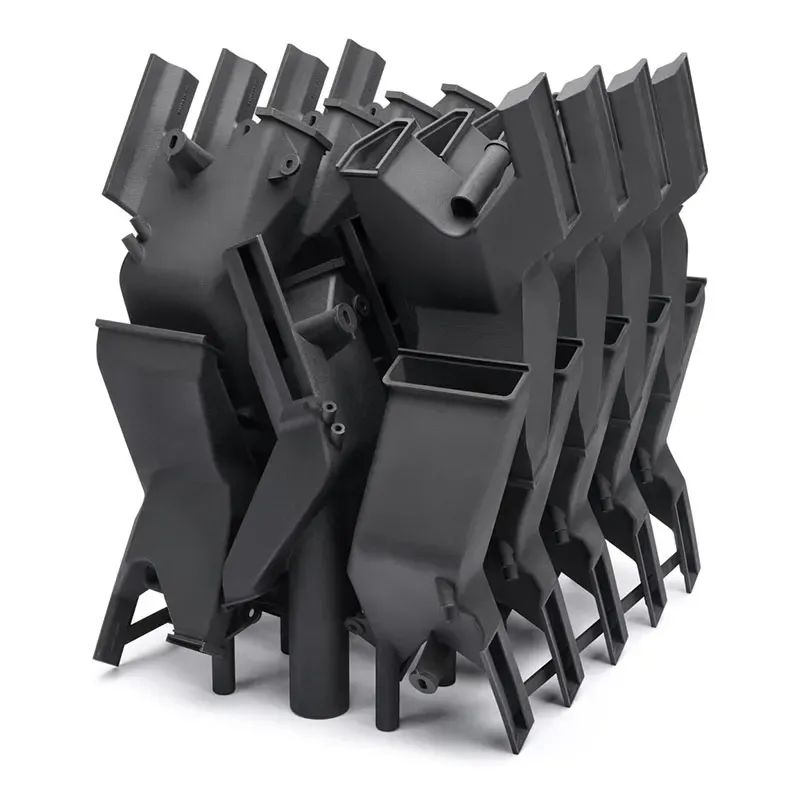
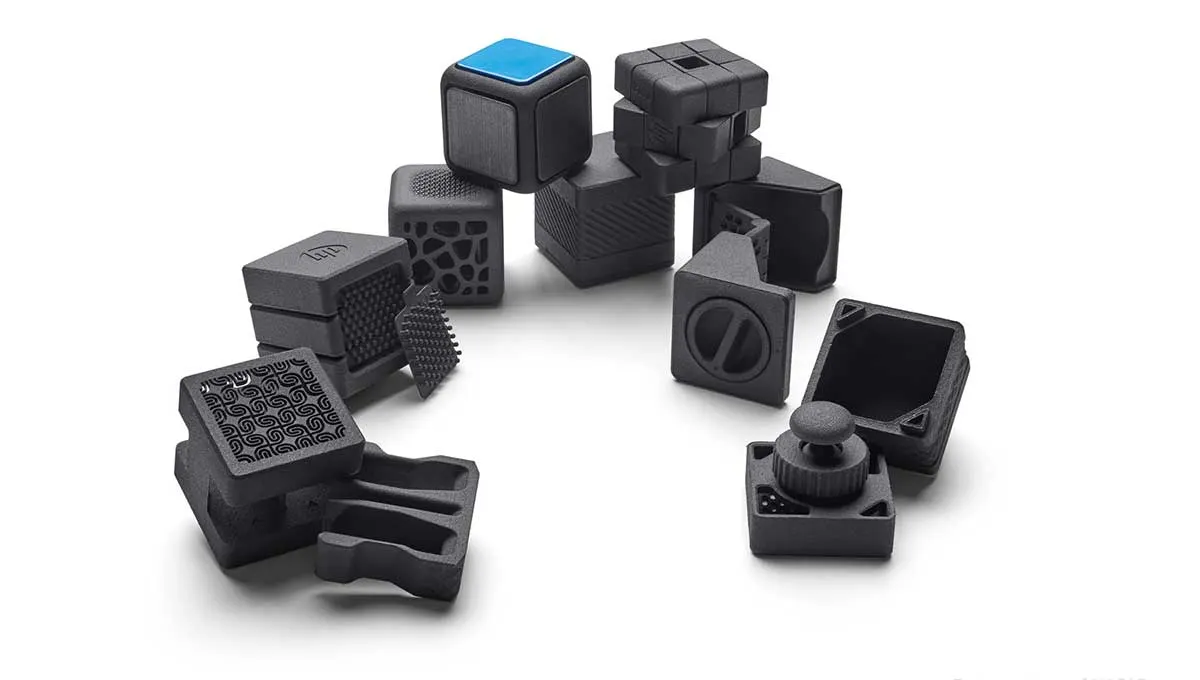
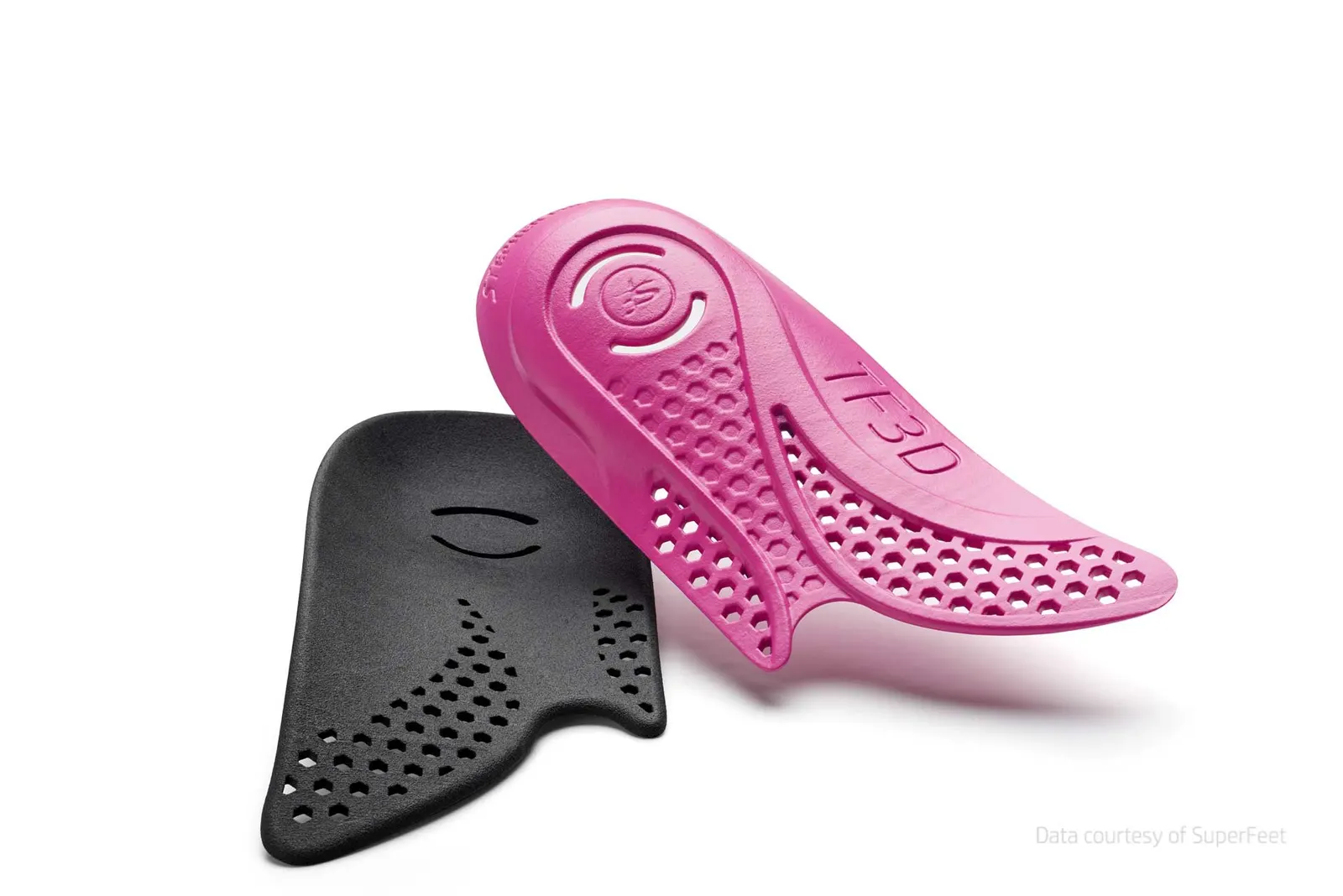
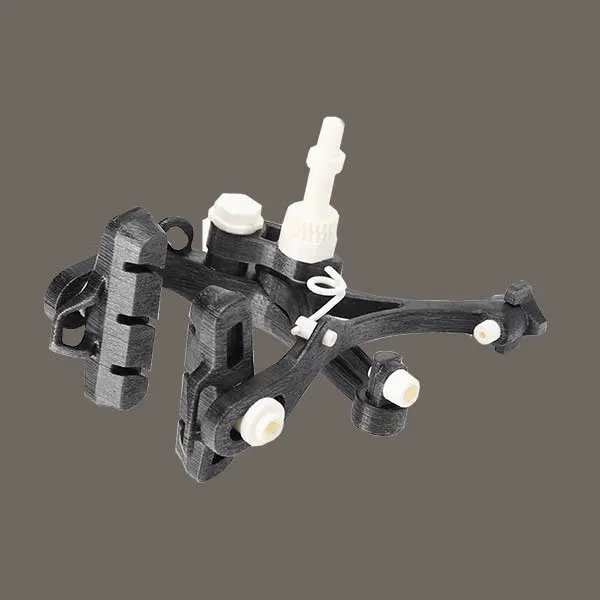
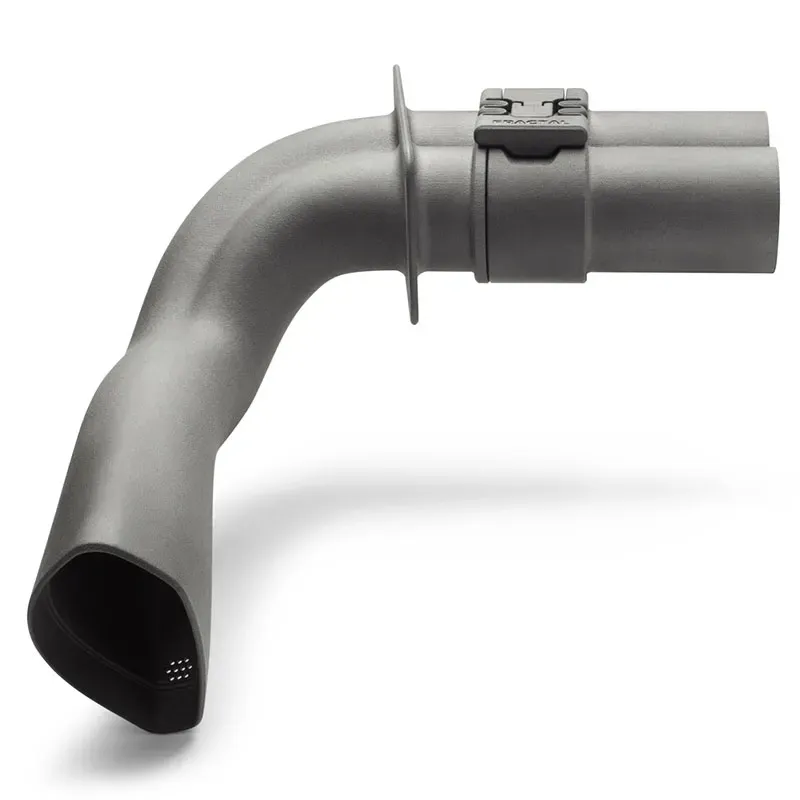 Ducting and cable managementLightweight ducting, clips and cable routing in PA12 or PA11 nylon, printed hollow with no tooling or supports.Read more
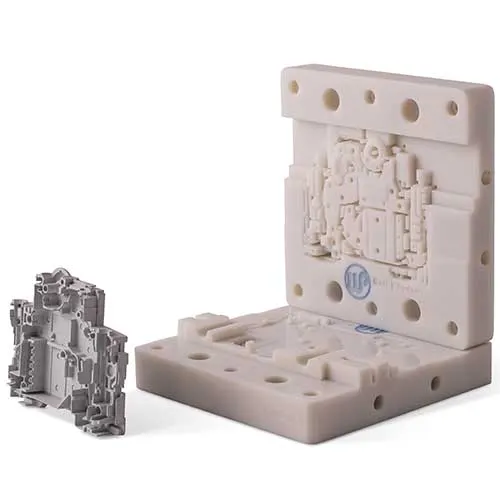
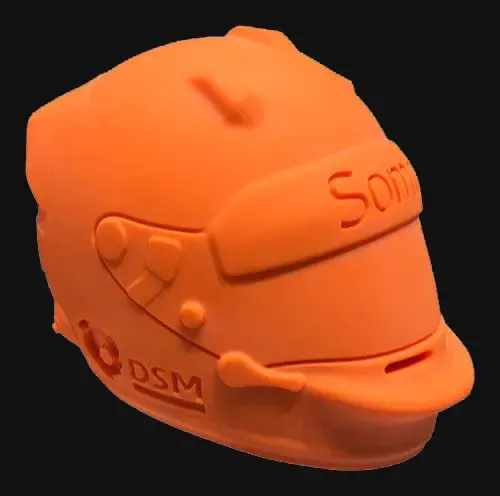 Wind tunnel and fit modelsSmooth, stiff SLA models that keep their accuracy under test, in High Temp 220D from the bureau or Somos PerFORM on your own machine.Read more
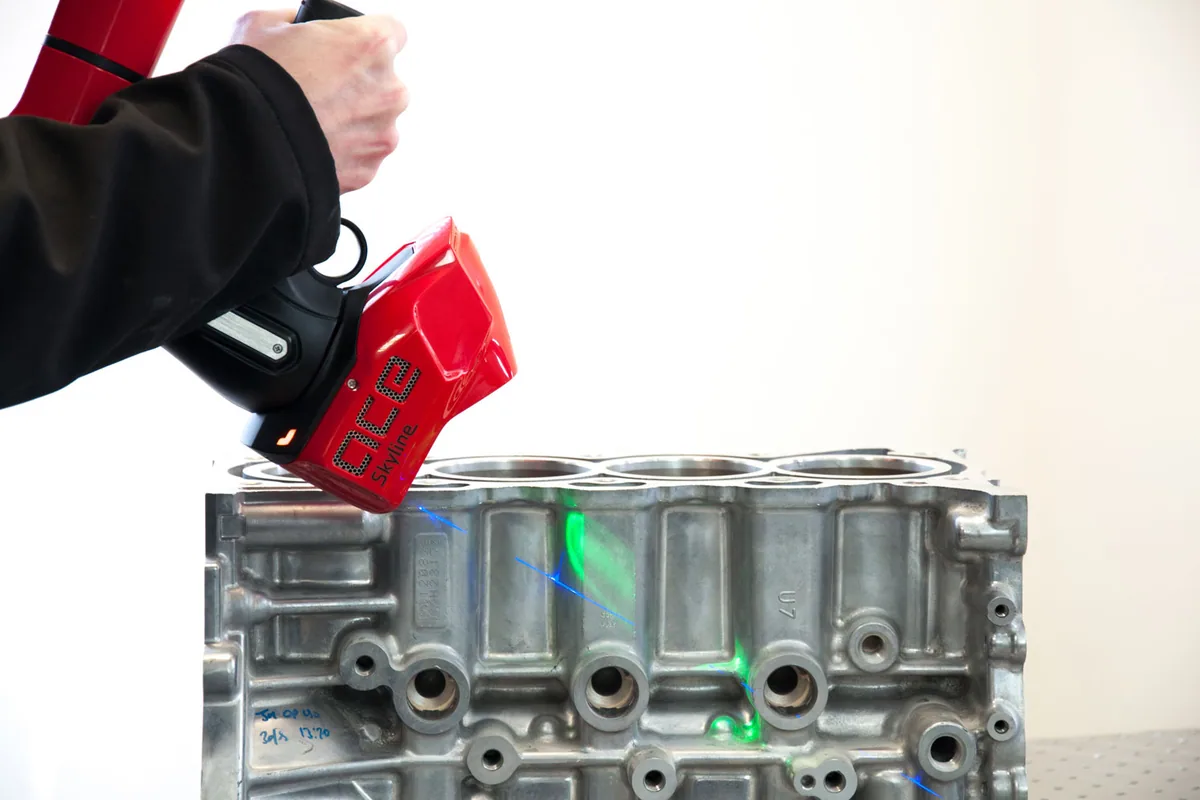
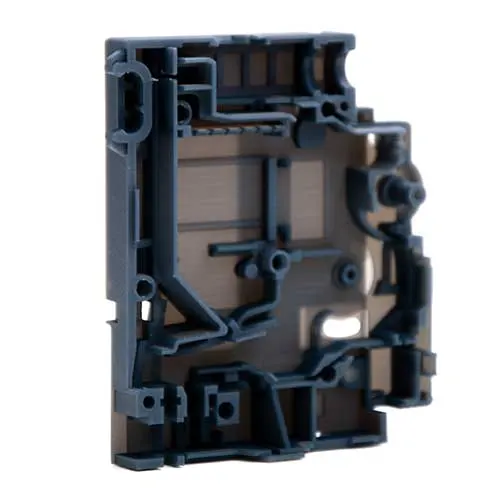
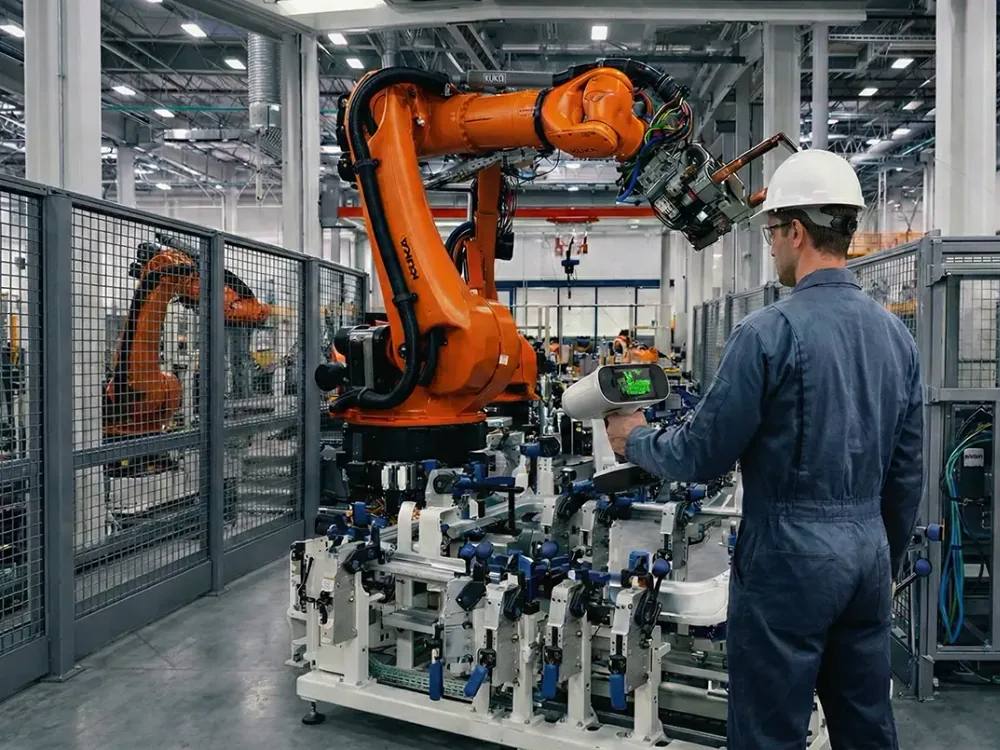
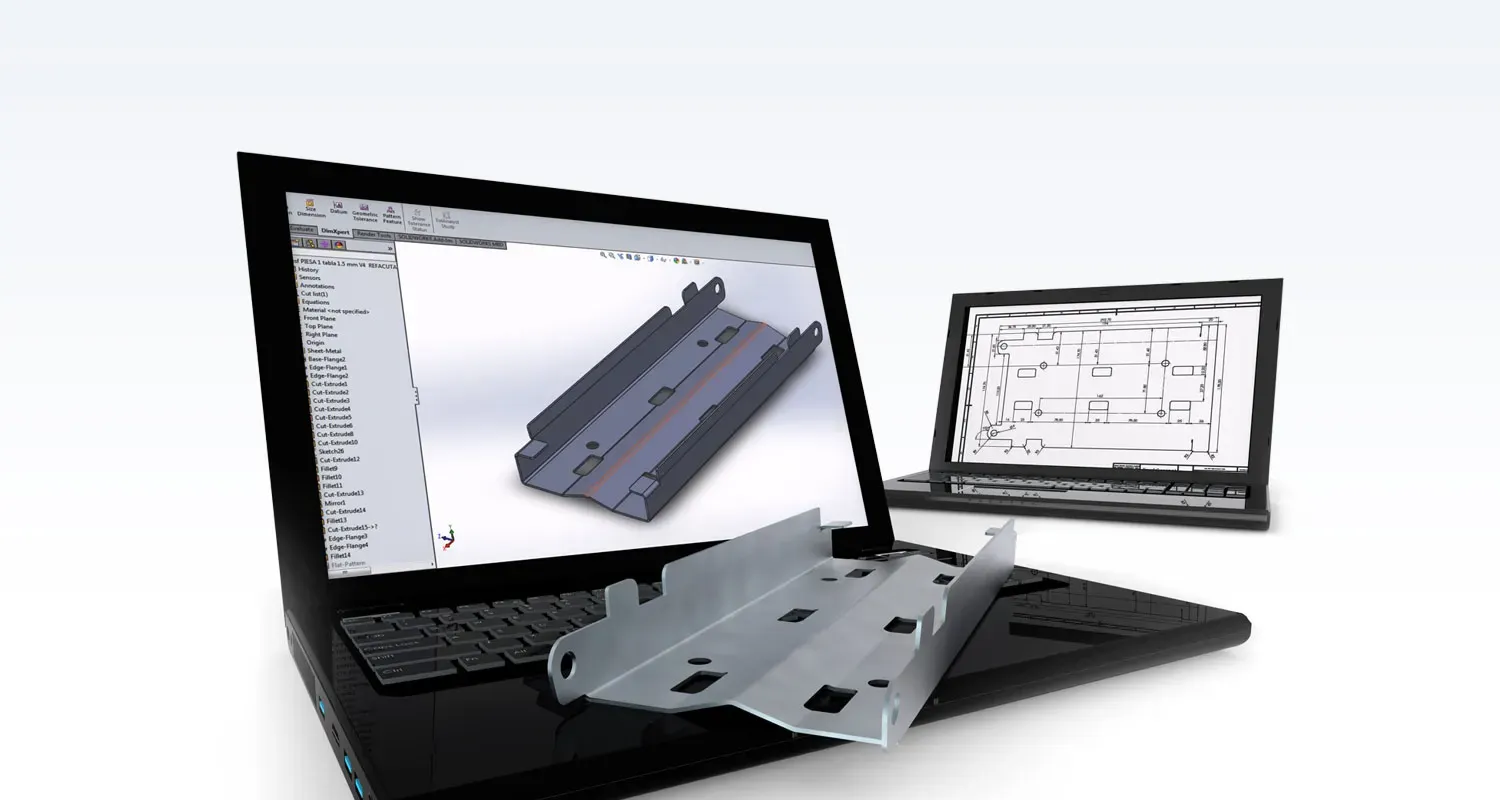 Obsolete sparesReverse engineered from the part in hand. We scan it and Geomagic Design X turns the scan into CAD you can edit before it is printed.Read more
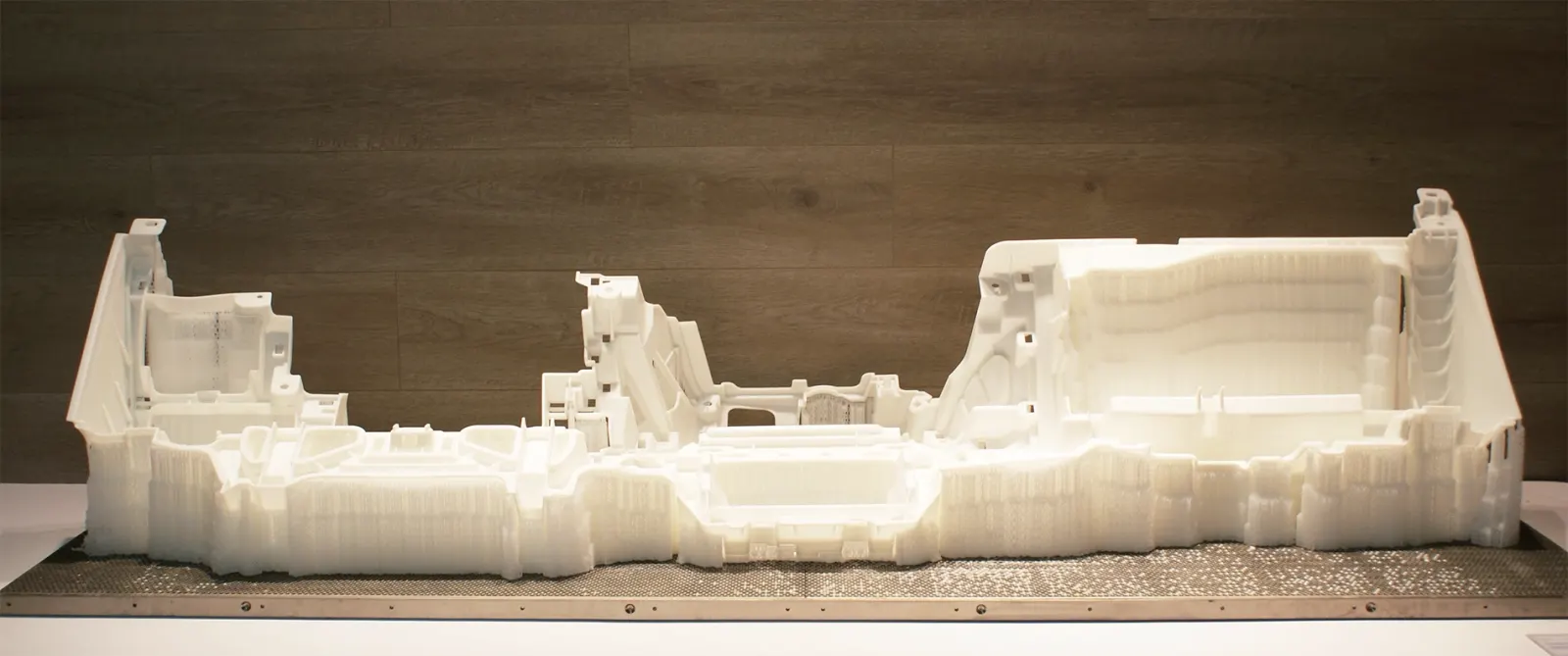
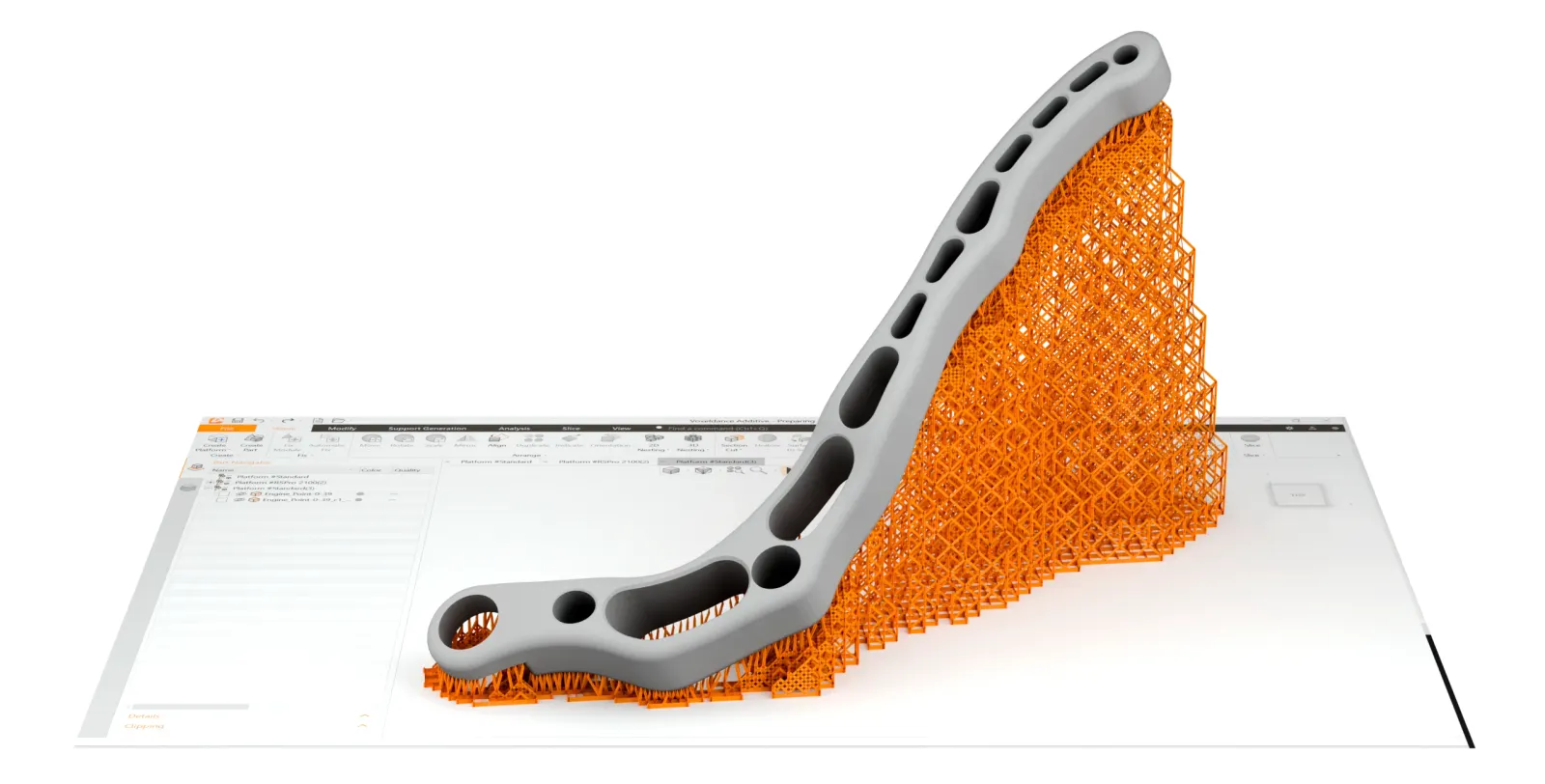
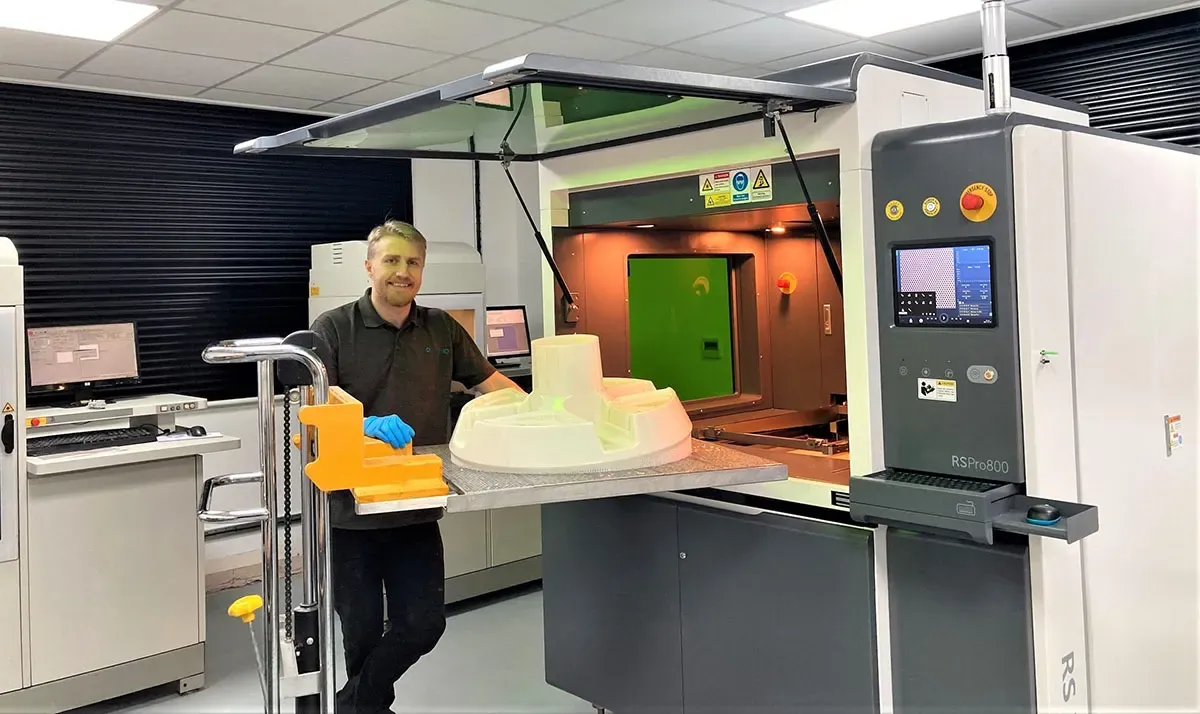 Large one-piece prototypesLarge-format UnionTech SLA builds parts over a metre long in a single piece, which is what large aerospace prototypes need.Read more
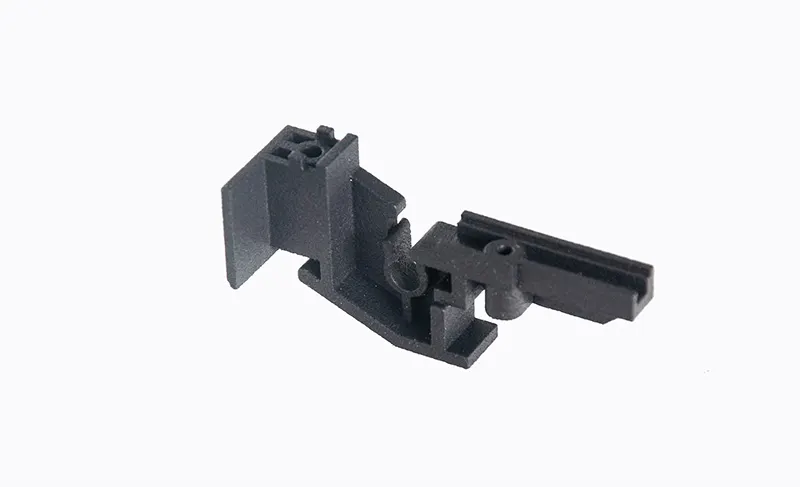
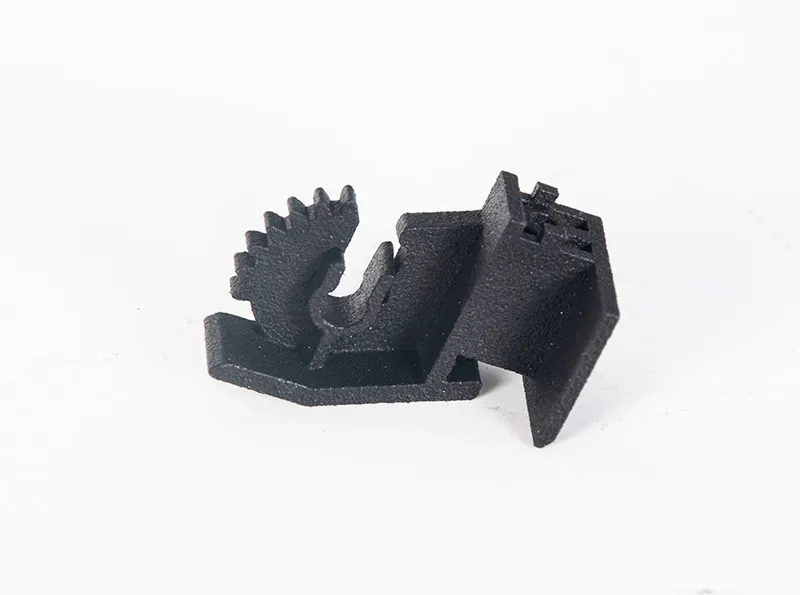
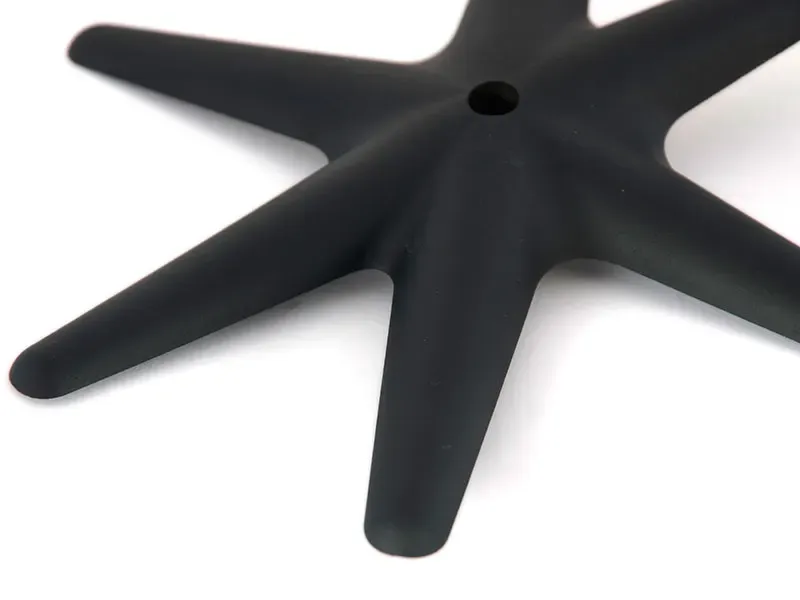 Light structural partsBrackets and frames in nylon, designed around the load rather than around the cutter. They are isotropic, so the build direction does not create a weak axis.Read more
Materials for load and for heat
PA12 and PA11 are bureau stock. Somos PerFORM and Taurus are resins we supply for UnionTech SLA machines.
Related work
Jobs we did ourselves, written up with the people we did them for.
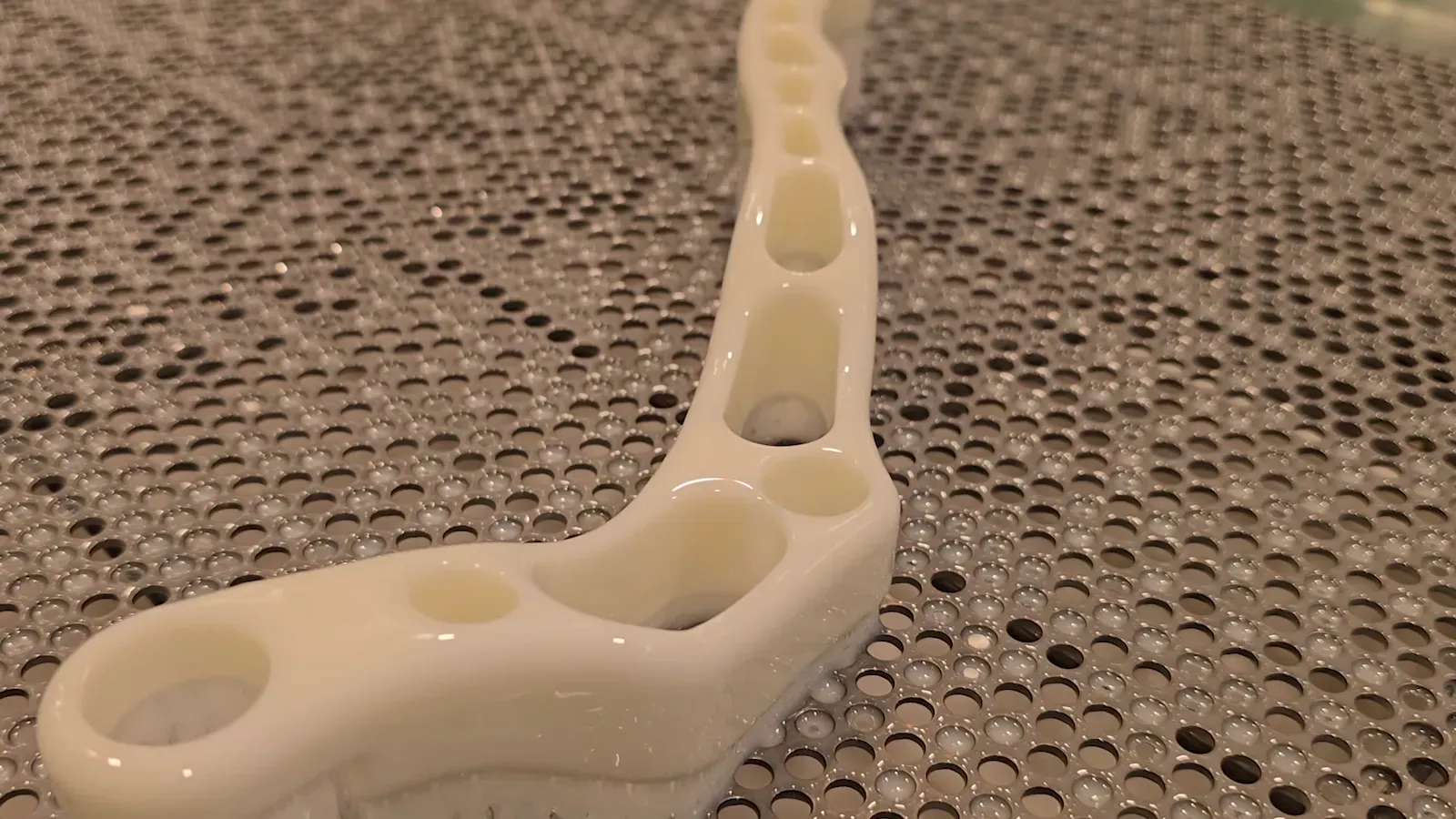 Case studyRapid3D: a fifth UnionTech SLA 3D printerA prototyping bureau serving Formula One, aerospace and defence runs five UnionTech 3D printers on five resins, including a rigid one for wind-tunnel models and tunes each machine itself.Read the case study
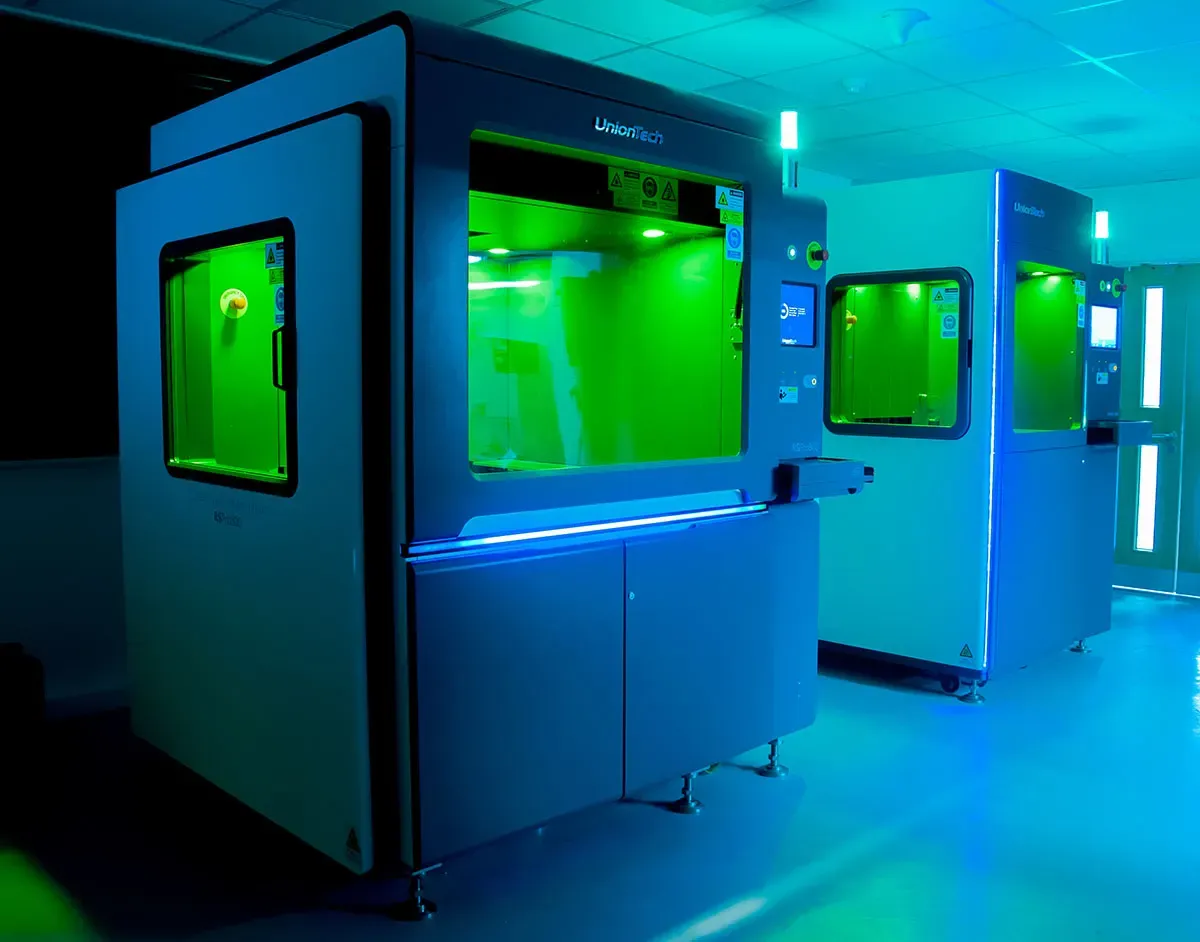 AME-3D: two UnionTech RSPro SLA 3D printersAn industrial bureau with more than 20 years in additive increased its build volume eight-fold, so large automotive and aerospace prototypes can now be built in one piece.
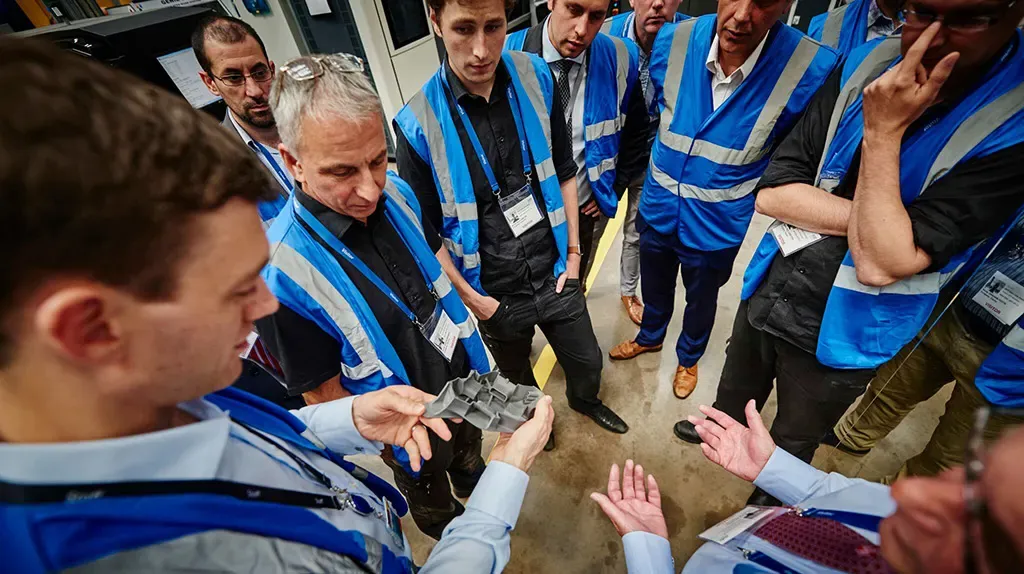 The MTC’s first HP Jet Fusion in the UKWe supplied the HP Jet Fusion 4200 installed at the Manufacturing Technology Centre’s National Centre for Additive Manufacturing.
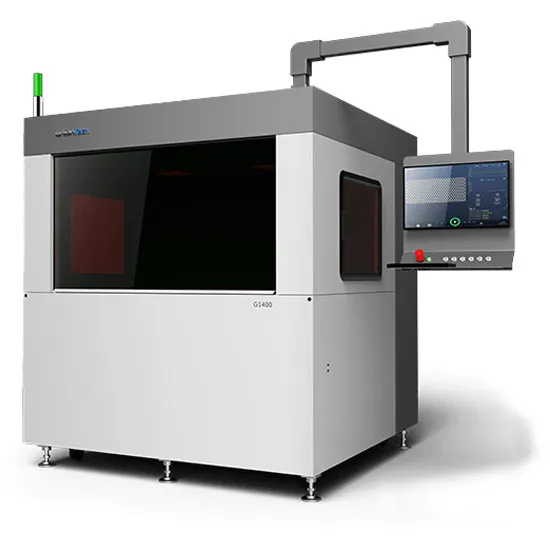
Large-format SLA for your own facility
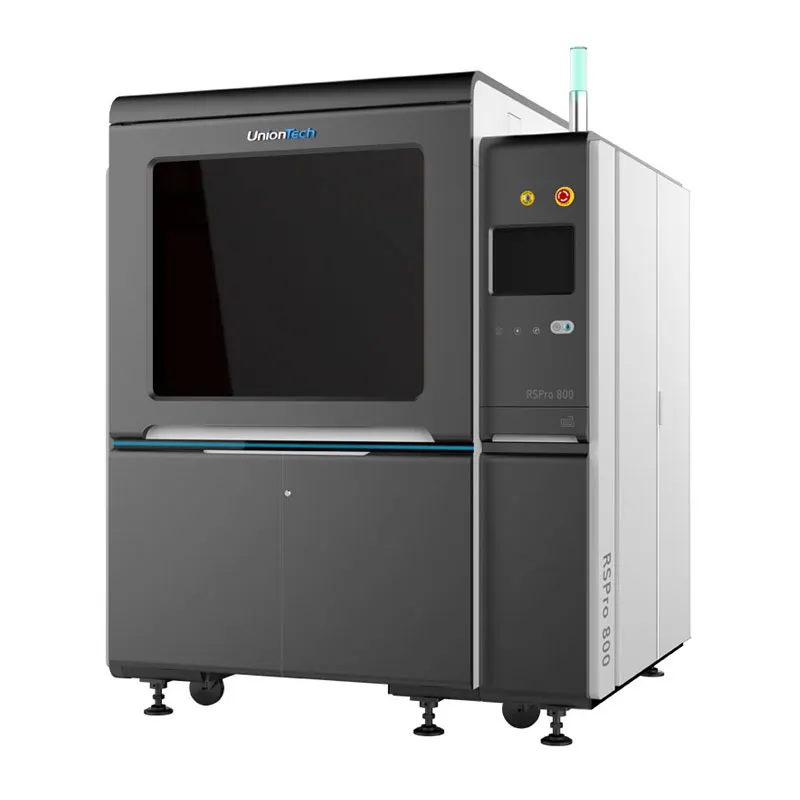
UnionTech RSPro machines run an open resin platform, so Somos PerFORM and Taurus run alongside any other resin the job needs.
From scan to editable CAD
Where the drawing has been lost, the route in is a scan rather than a caliper.
What the work usually is
Questions we get asked
Something else? Ring 0330 229 0175 and an engineer will answer it.
Not answered here?
Ask the engineers who run the machines. We answer the same working day.
Which process do you use for aerospace brackets and ducting?
HP Multi Jet Fusion in PA12 or PA11 nylon. The parts are isotropic, watertight and need no supports, so ducting can be printed hollow in one piece.
Which material should I use for a part that gets hot?
Our High Temp 220D SLA resin reaches a heat deflection temperature of up to 227 °C at 0.455 MPa after post-processing. It is more rigid and less impact tolerant than tough resins. It therefore suits heat and accuracy rather than shock.
Can you make a spare when the drawing has been lost?
Yes. We scan the part in hand, rebuild it as editable CAD in Geomagic Design X, then print it. Scanning and printing happen in one building.
Can you print wind tunnel models?
Yes, in High Temp 220D from our bureau. If you run your own UnionTech SLA, Somos PerFORM is widely used for wind tunnel models and reaches 268 °C heat deflection at 0.46 MPa after thermal post-cure.
How large a part can be printed in one piece?
In our bureau, up to 800 x 800 x 550 mm in Standard White SLA and 600 x 600 x 400 mm in High Temp 220D. The UnionTech RSPro 2100 we sell builds up to 2100 x 700 x 800 mm.
Describe the constraint
Tell us the load, the temperature and the size. We will tell you which process and material fits, or whether the part is better made another way.