.svg)
IndustriesJewellery & giftware
3D printing for jewellery and giftware
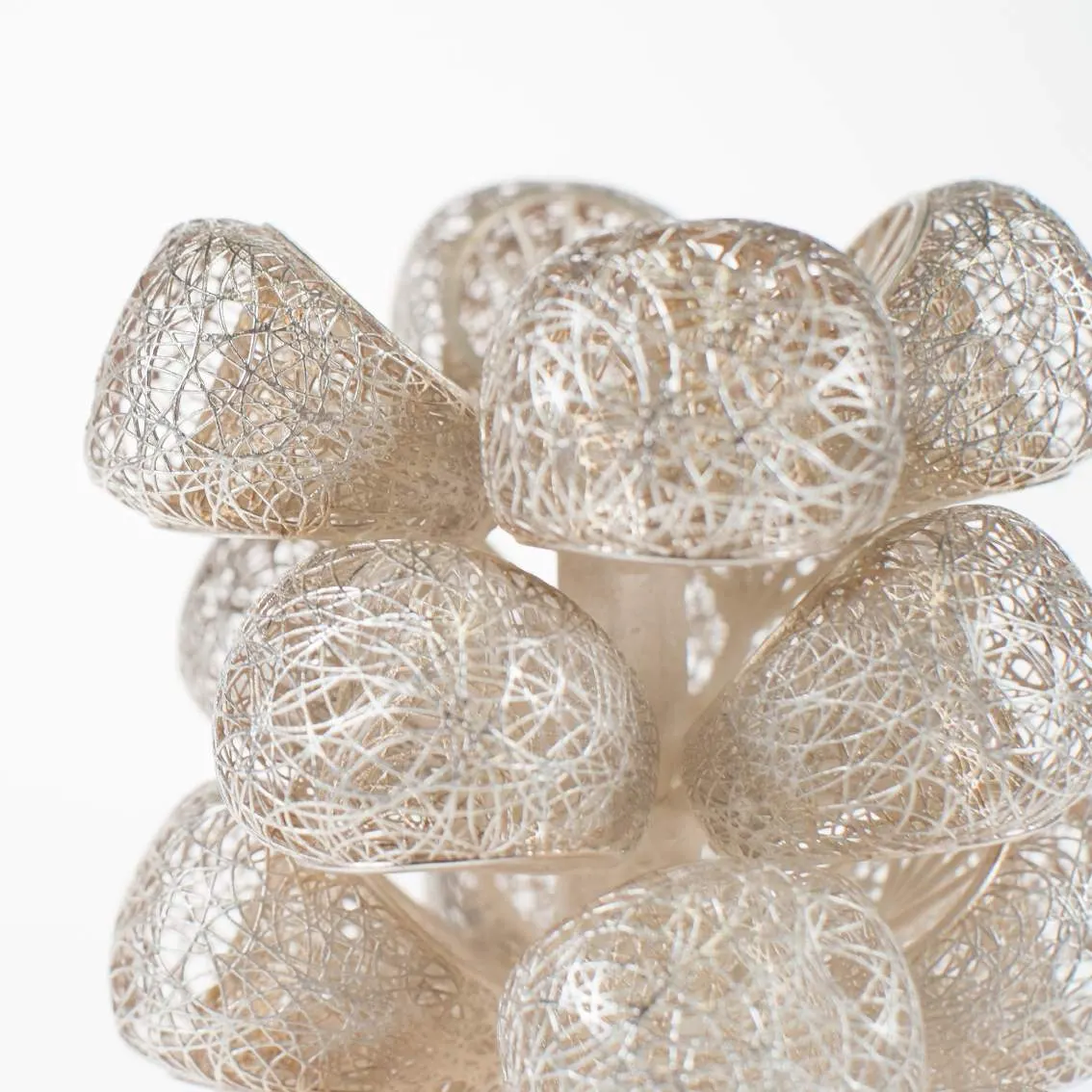
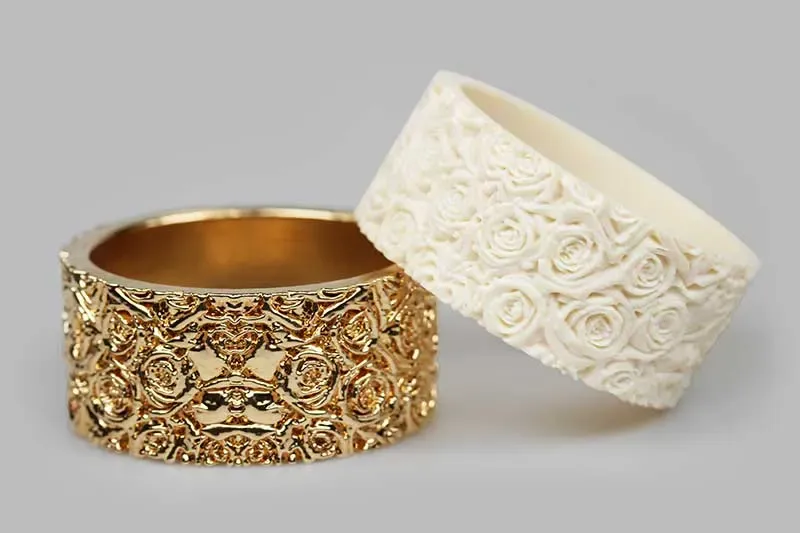
Castable patterns clean enough to burn out without residue, master models for rubber moulds and one-off pieces that would take a week by hand. DWS built its 3D printers around this work. We supply and support them in the UK.
- Jewellery designers and goldsmiths
- Casting houses
- Fashion accessory and eyewear makers
- Giftware and collectables
- Sculptors and fine art foundries
- 0.10 mm
- minimum feature thickness on castable resins, DW 029MKIII
- 20 micron
- resolution on the DW 029MKIII HR
- 100 x 100 x 100 mm
- working area of the desktop DW 028XLHR
Castable resin to cast metal
The lost-wax route on a DWS 3D printer
A printed pattern takes the place of the injected wax and the tool that makes it. The rest of the casting process stays as you know it.
- 1
Design the piece
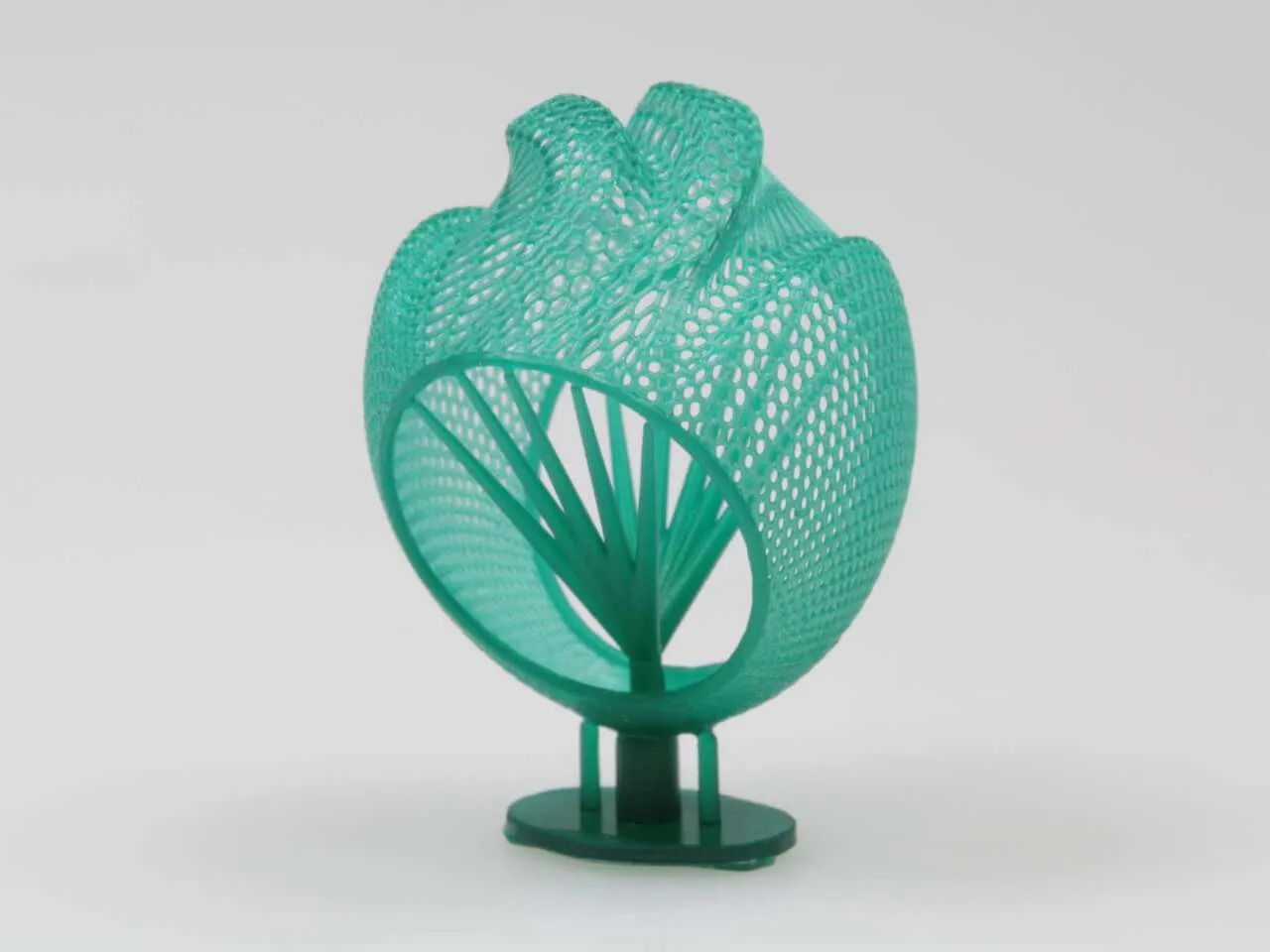
Rings, chains, bracelets, micro-pavé and pre-set stone work, designed in CAD with detail no hand carving would hold.
- 2
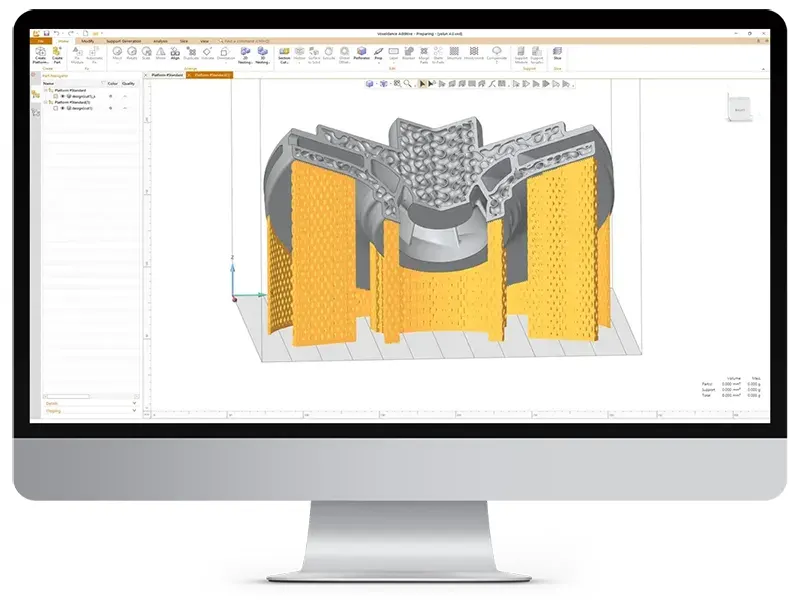
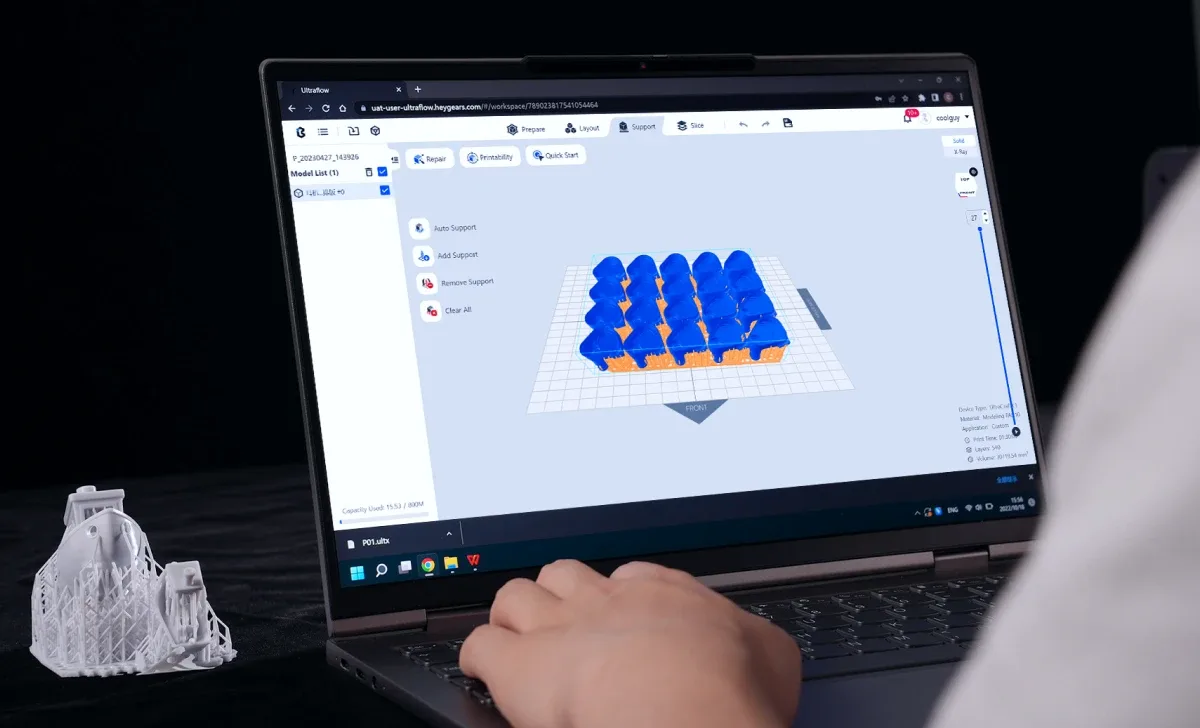
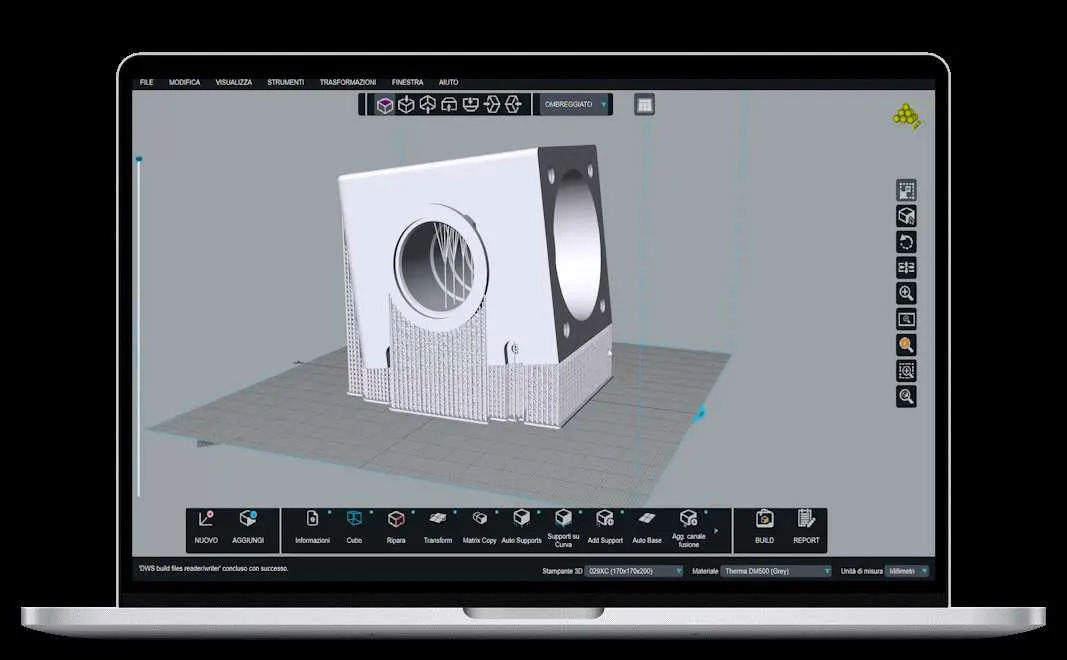
Prepare the build in Nauta+
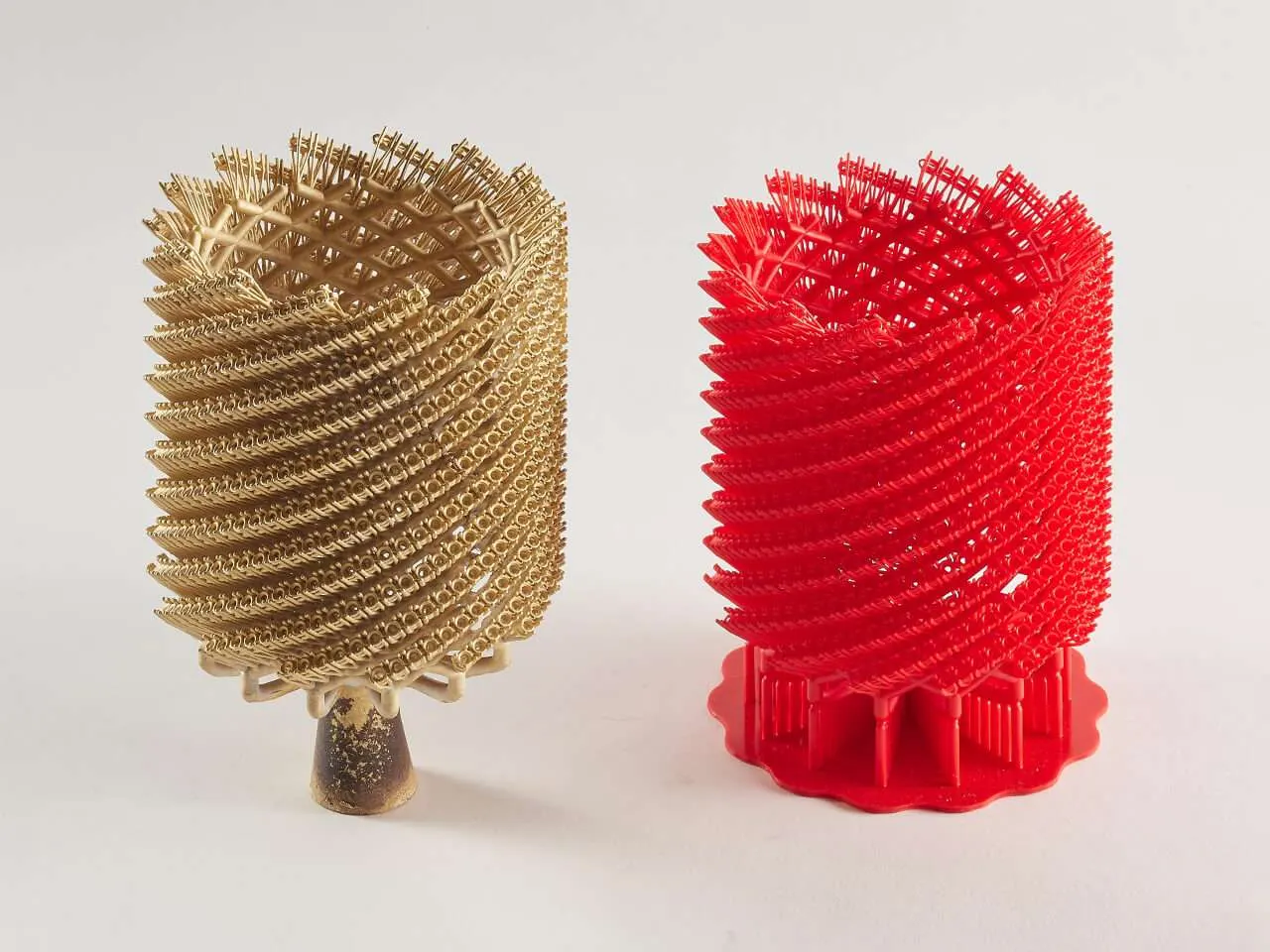
DWS’s own software positions the models and generates the supports. Its XCluster module builds casting trees for lost-wax production automatically.
- 3
Print in a castable resin
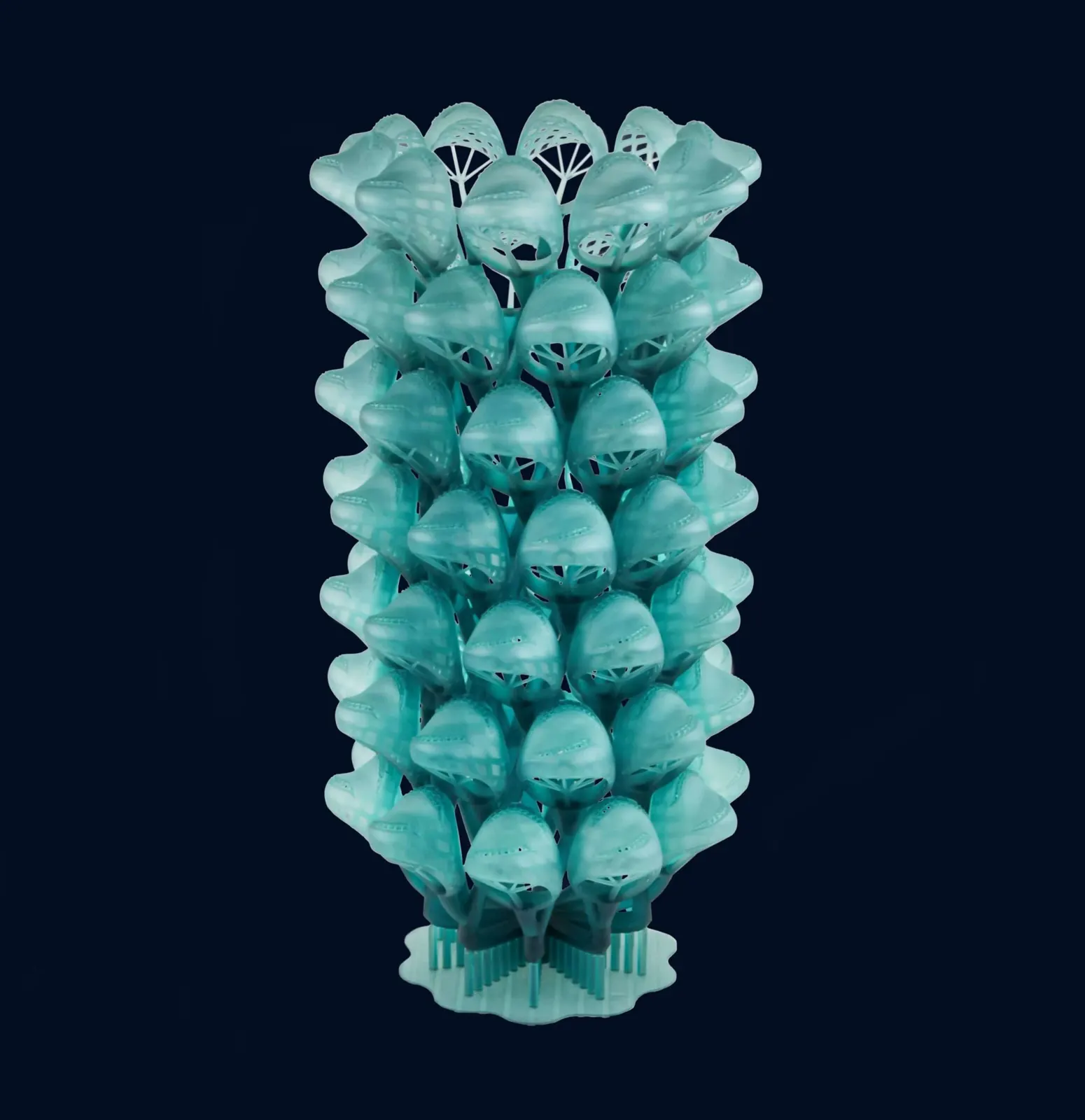
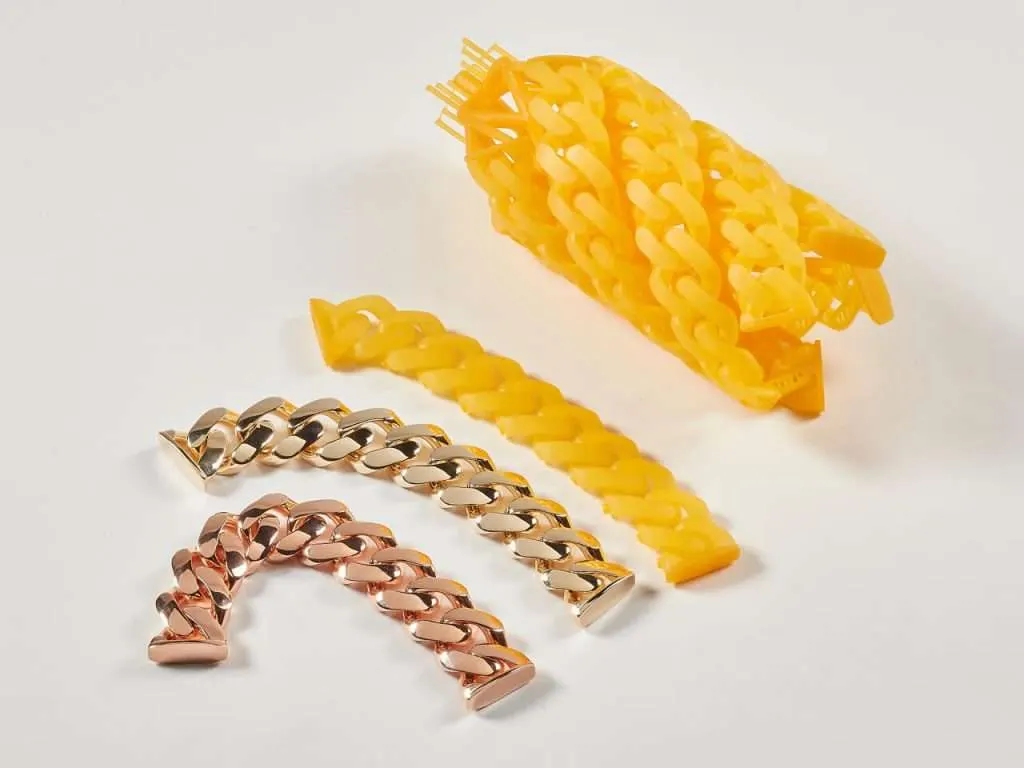
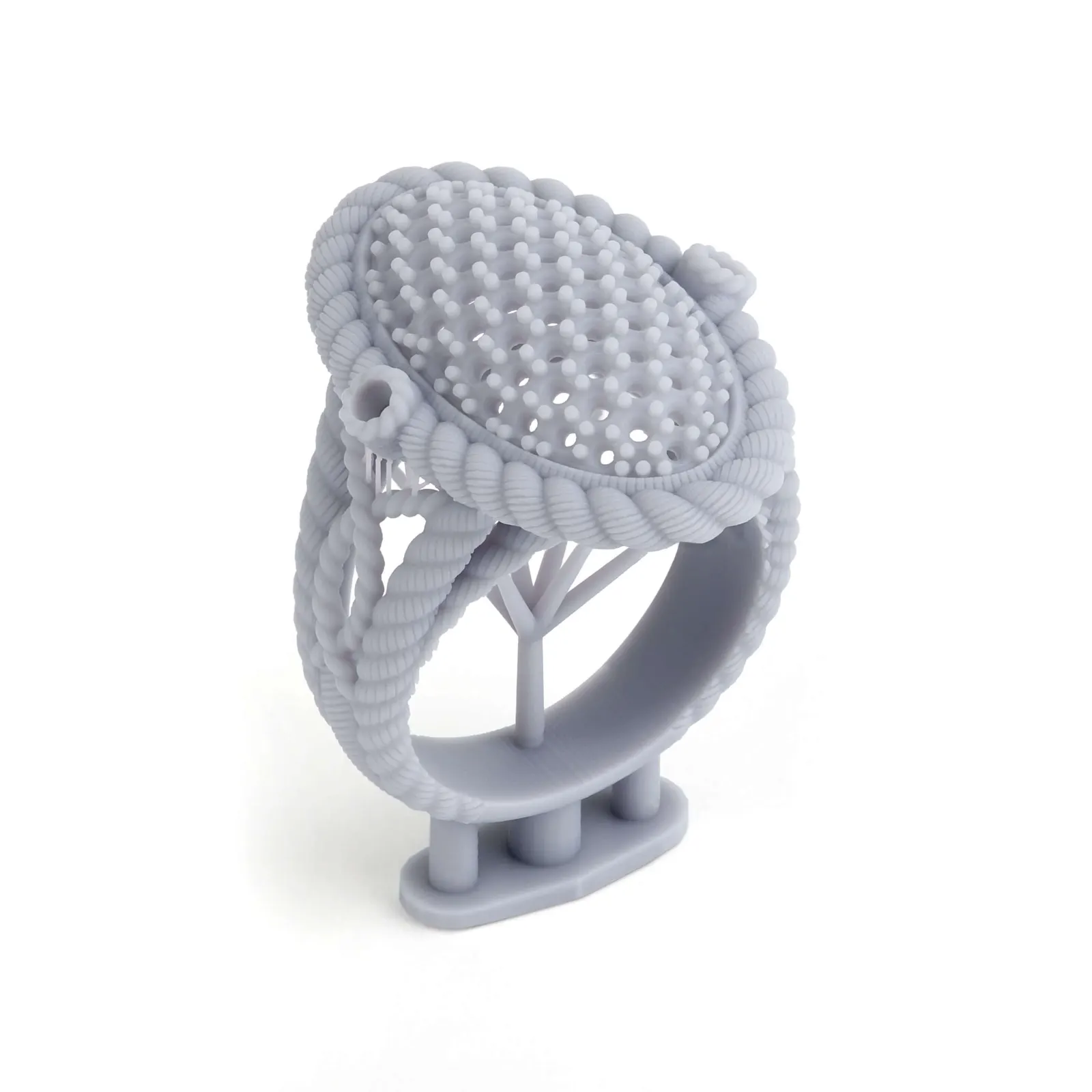
Fusia castables are developed in DWS’s own chemical laboratory: Digital Wax casts much like traditional wax, DC905 handles filigree as well as tight gaps, DC800 mixes filigree and solid sections in one model.
- 4
Invest and burn out
The pattern is invested in plaster or ceramic and burnt out, leaving the cavity for the metal. The resins are formulated to leave nothing behind in the investment.
- 5
Cast the metal
Pour as you would for a wax tree. The pattern has taken the place of the wax, so the metal comes out carrying the printed detail.
What it is used for
Beyond the casting tree
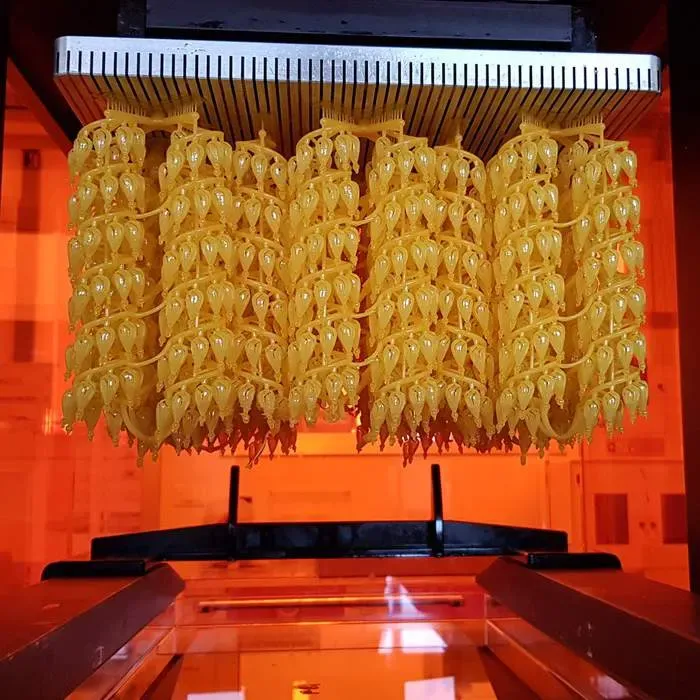 Chains and production castingFusia 445 is made for mass production of chains and jewellery in high casting clusters, on the XPRO Q, XPRO QL or XCELL machines.Read more
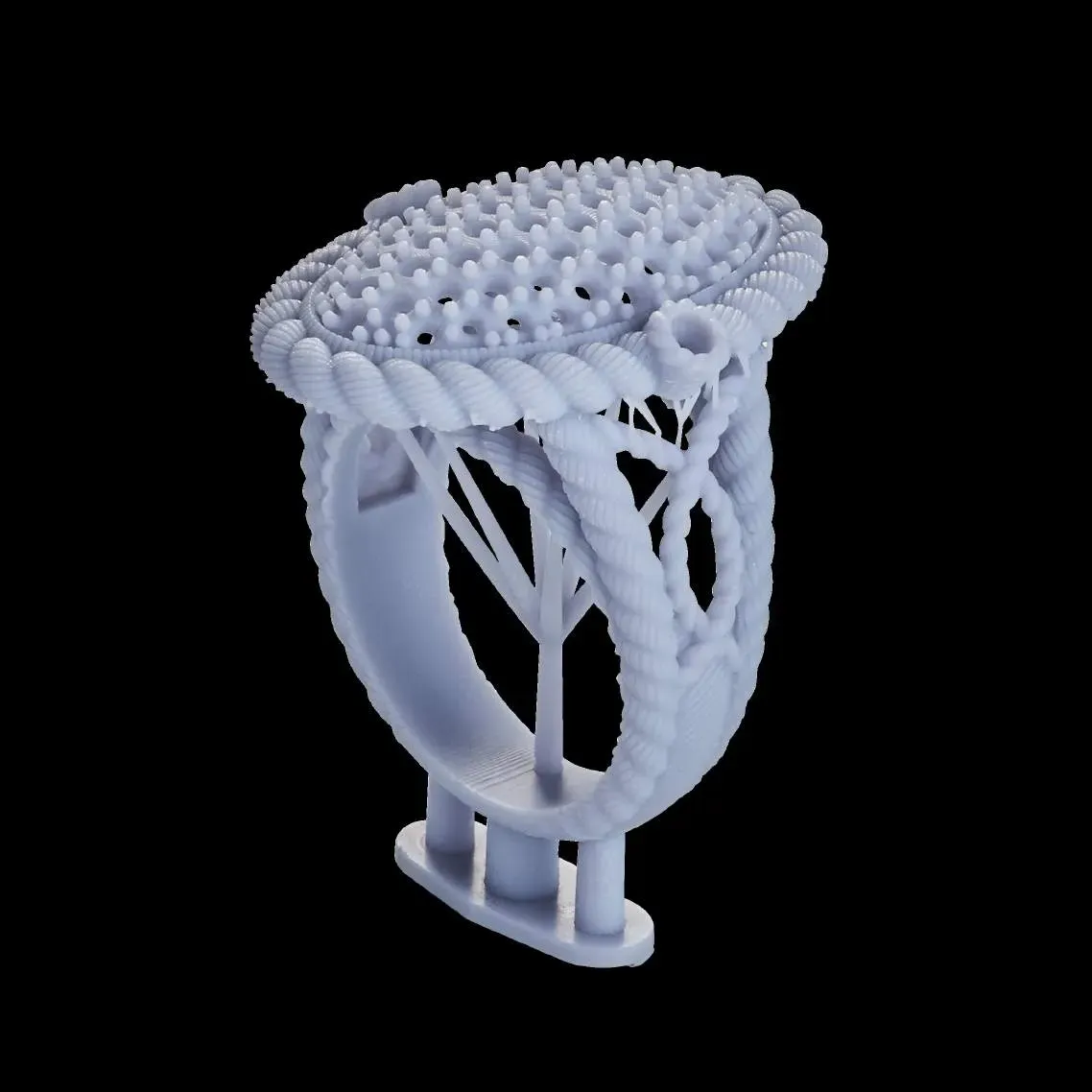 Master models for rubber mouldsPrecisa DL260 for vulcanised rubber and silicone moulds up to 150 °C, Therma DM220 for moulds up to 200 °C.Read more
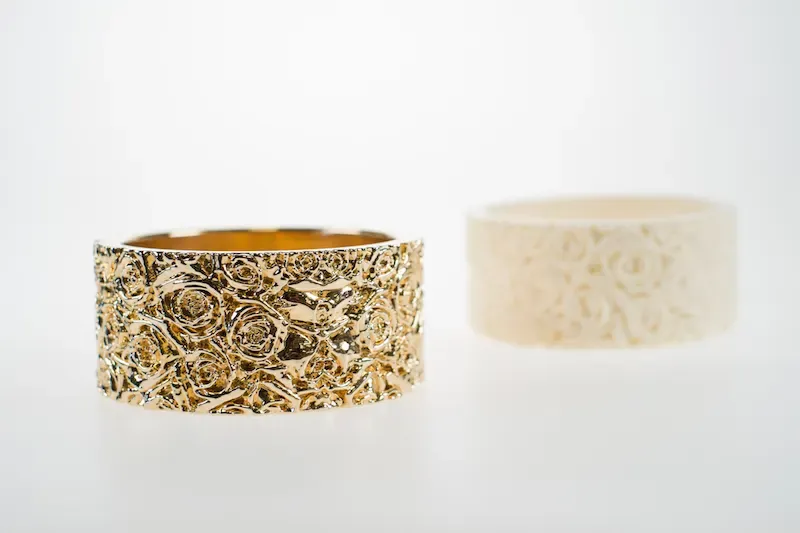
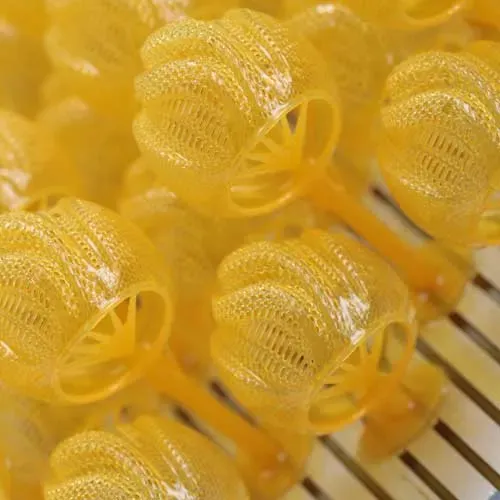 Personalised commissionsOne-off and bespoke pieces that would take a week by hand, printed overnight then cast the same way as a production piece.
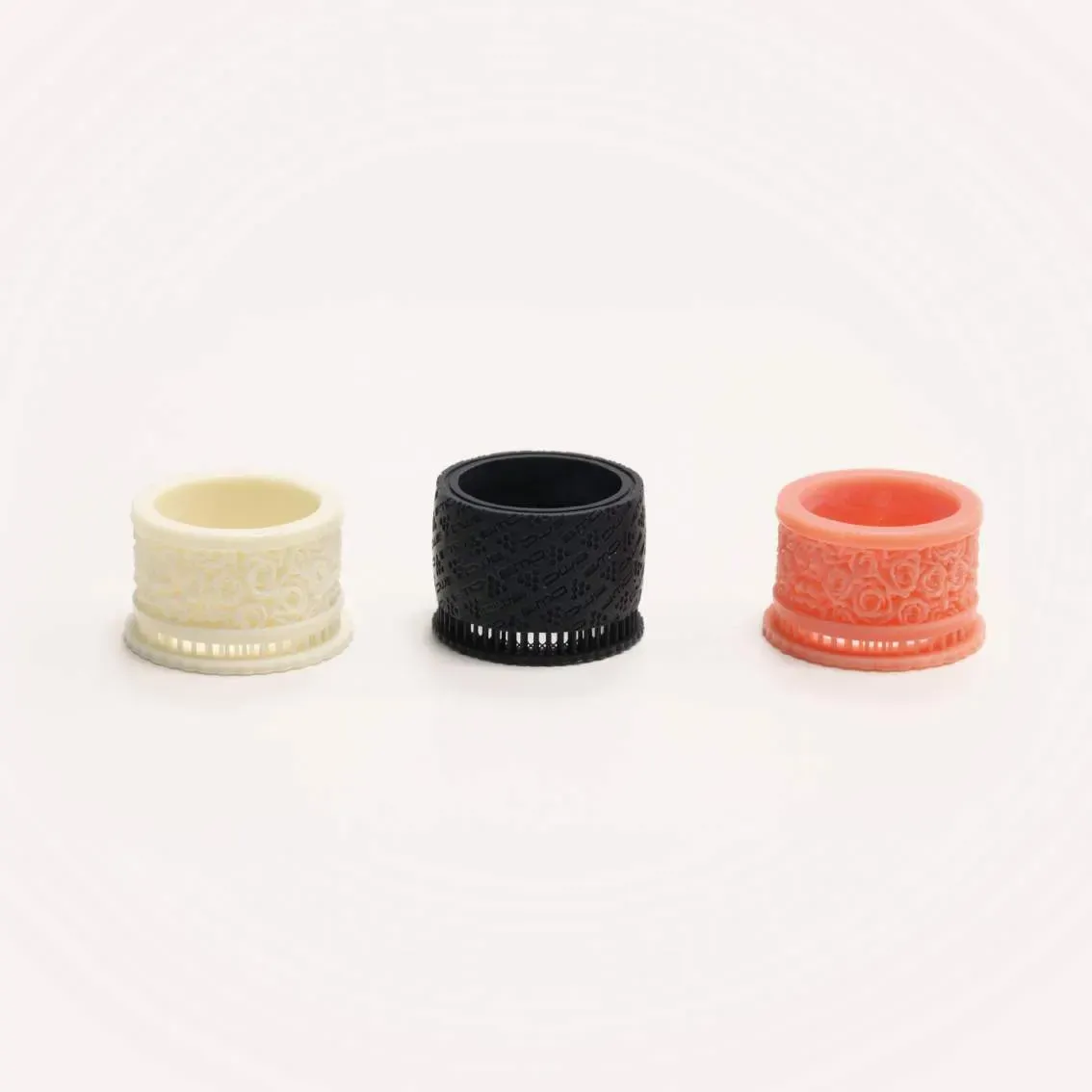 Direct pieces in digital stoneDWS Irix replicates the look of natural materials used in jewellery, so a designer can print ornate pieces in colour without casting at all.Read more
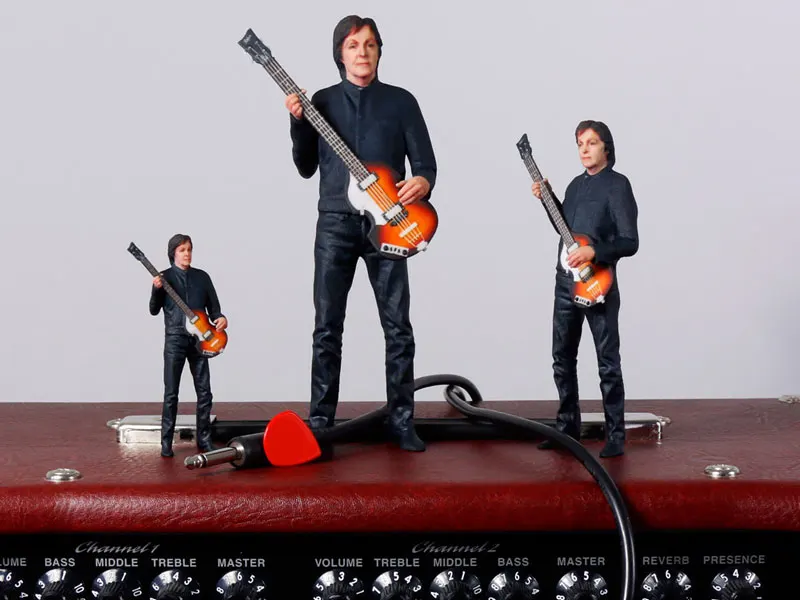
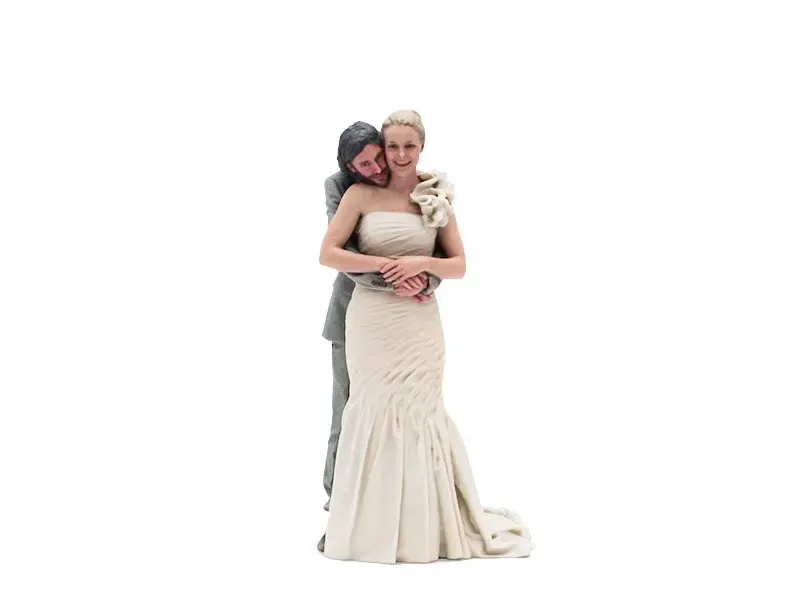 Collectables, replicas and giftsFigurines, likenesses and keepsakes, scanned from a person or an original, then printed to scale.Read more
The DWS machines
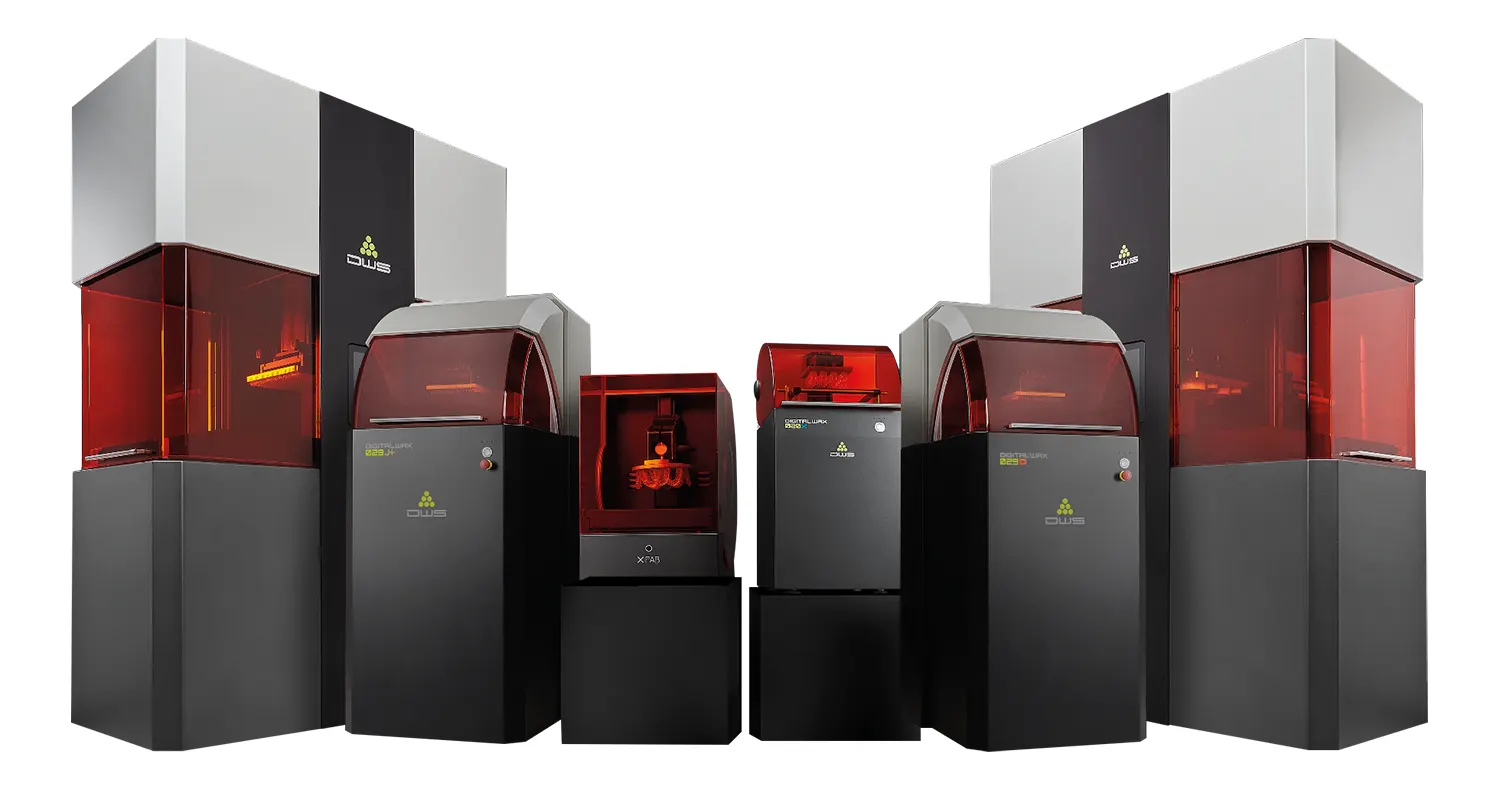
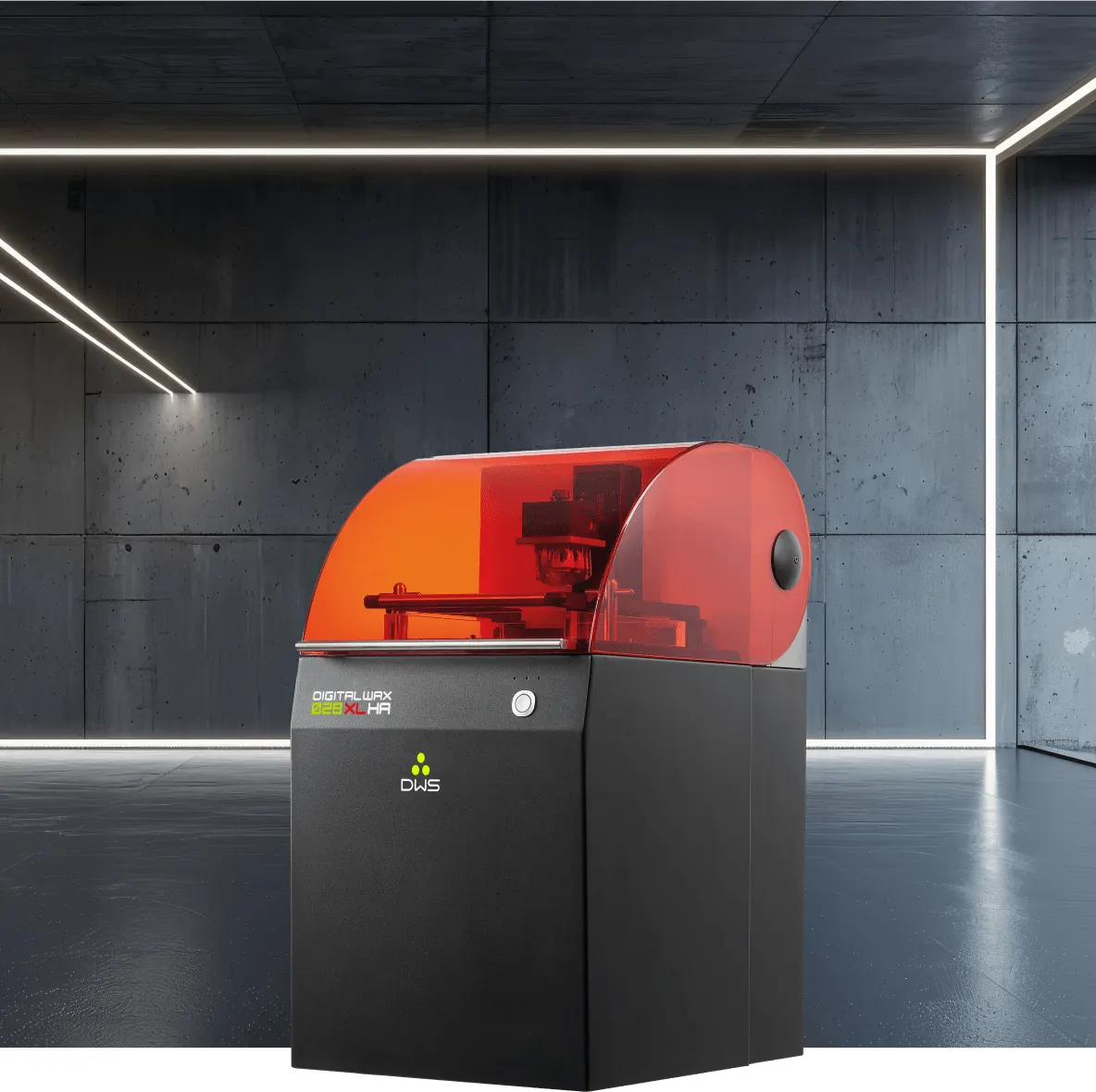
From a desktop 3D printer for a goldsmith to quad-laser production machines for a casting house. DWS recommend the Fusia castables on the XPRO Q, XPRO QL and XCELL 300Q. The DW 028XLHR runs the full jewellery range.
Price on application
Find out more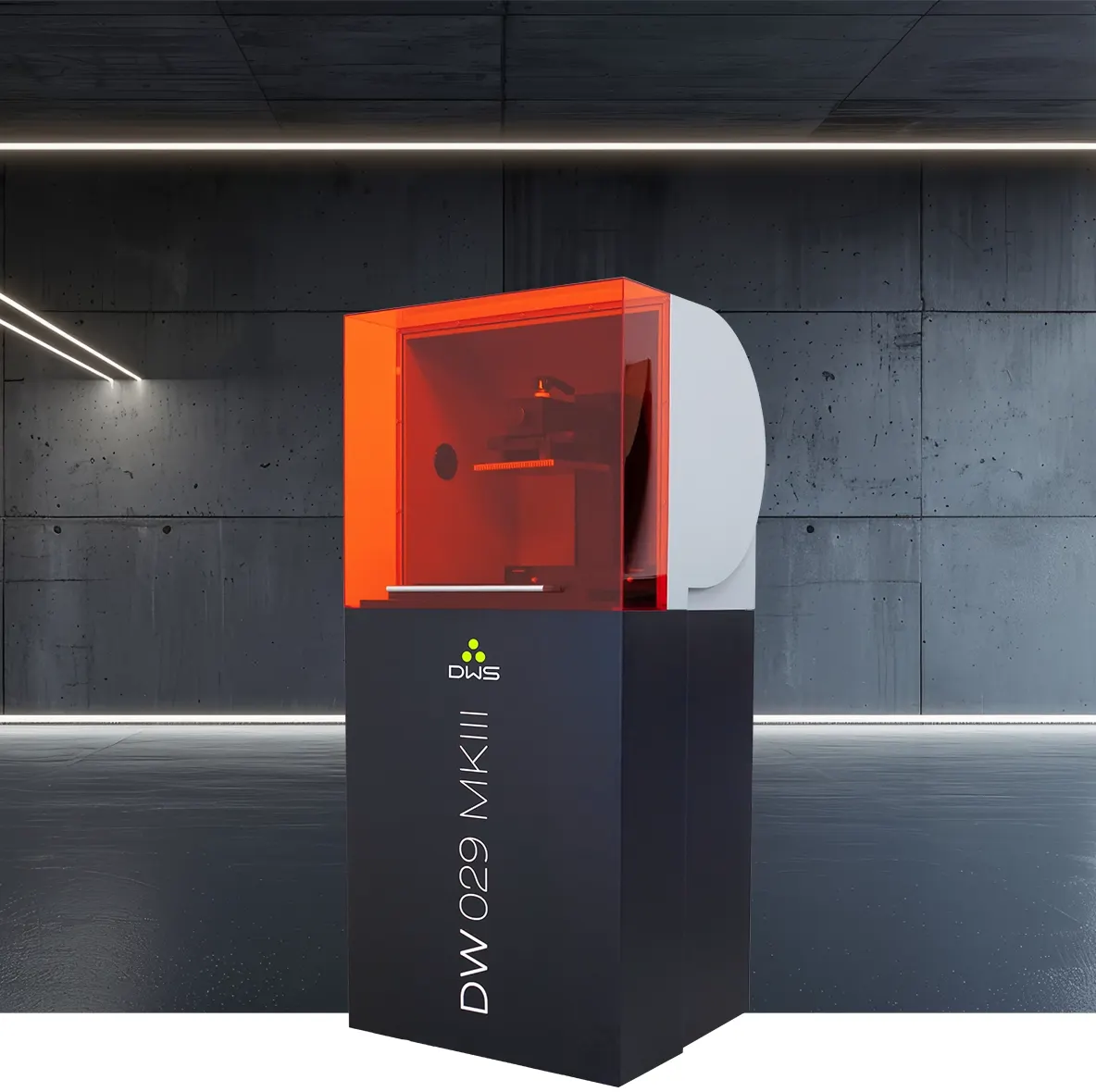
Price on application
Find out more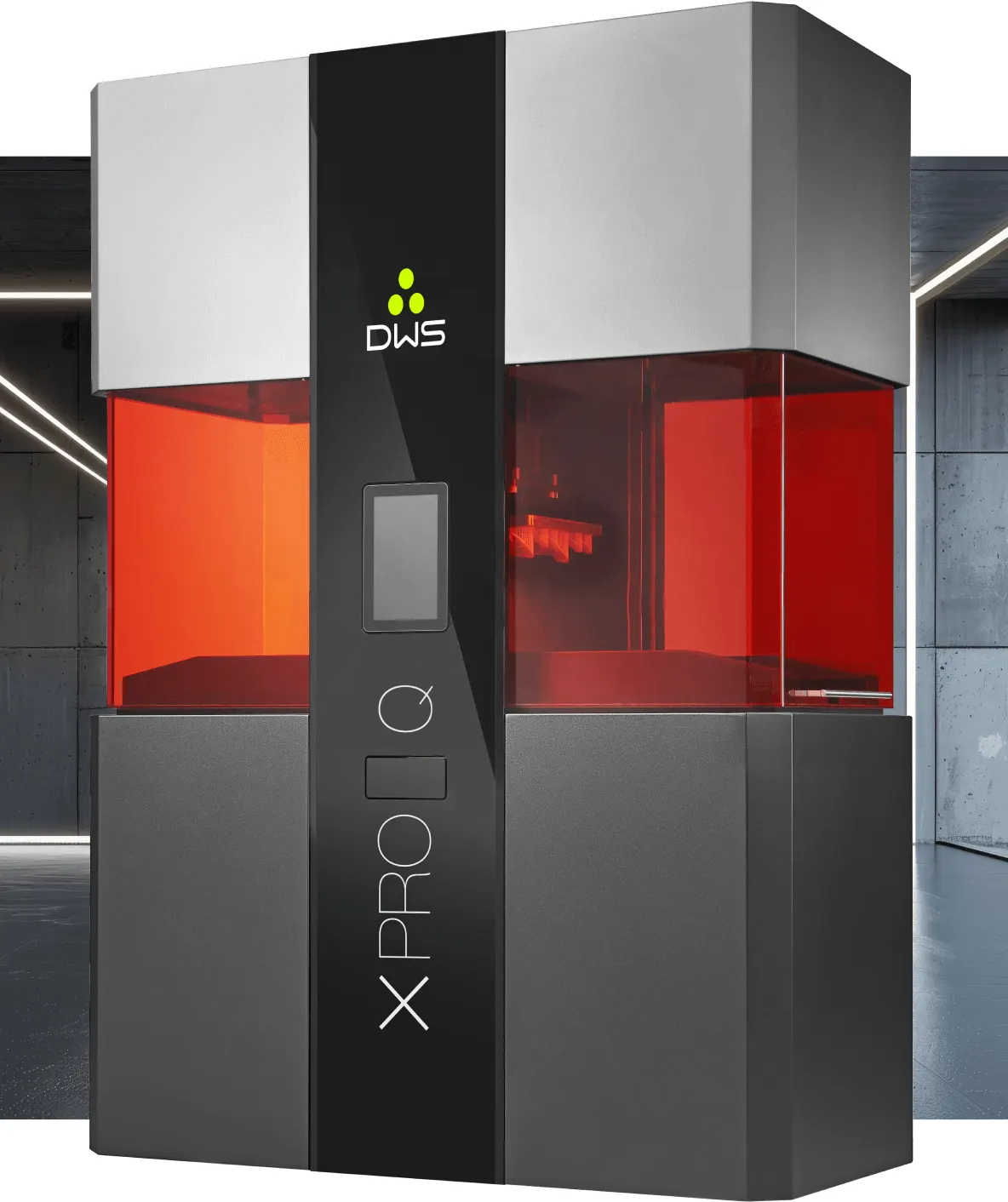
Price on application
Find out more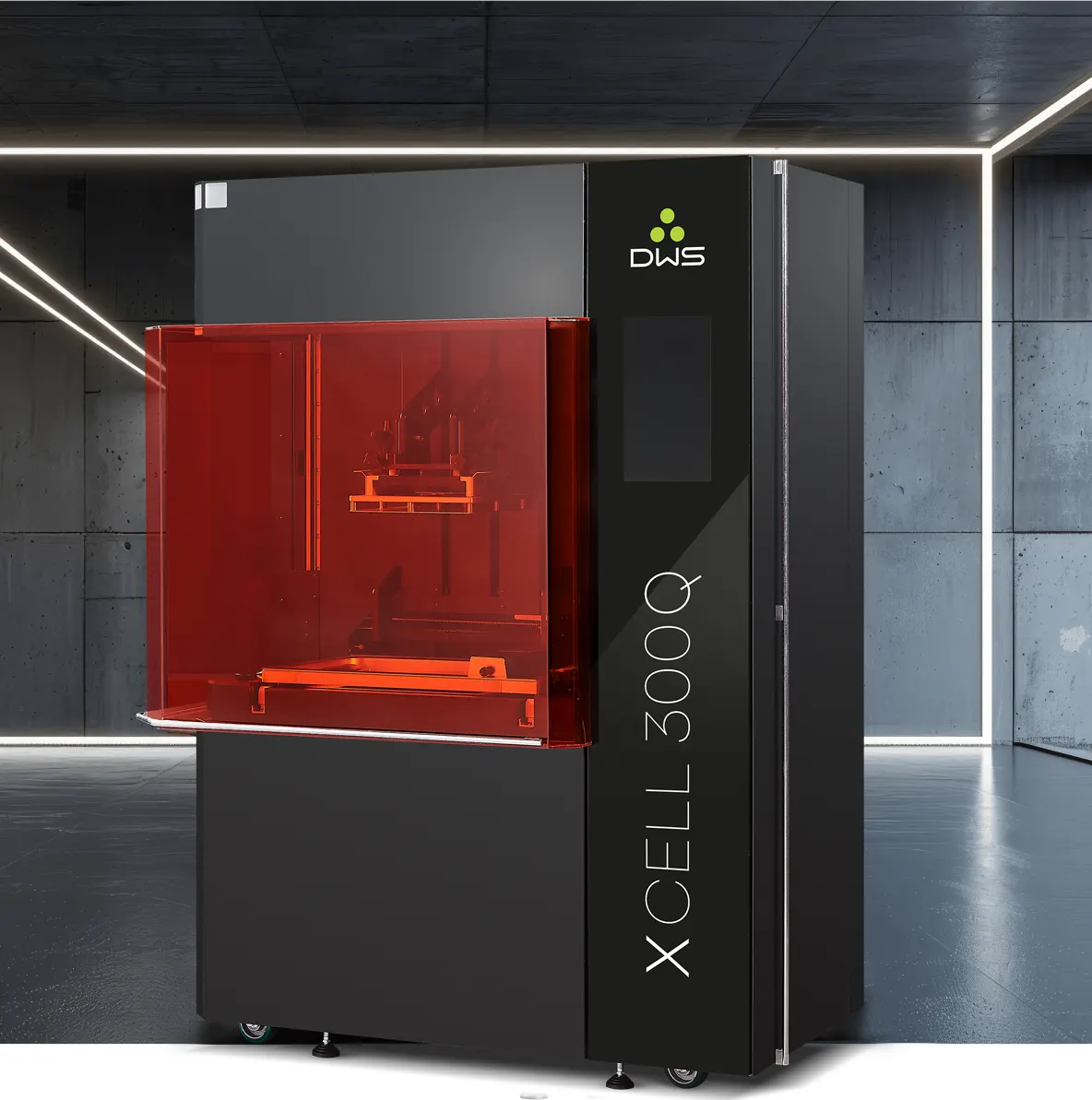
Price on application
Find out moreJewellery resins
DWS do not publish material prices. We quote materials alongside your machine and advise which grade suits the piece.
Included with every DWS 3D printer
Licensed, installed and taught by us. See the courses
From the bench and the foundry
Jobs we did ourselves, written up with the people we did them for.
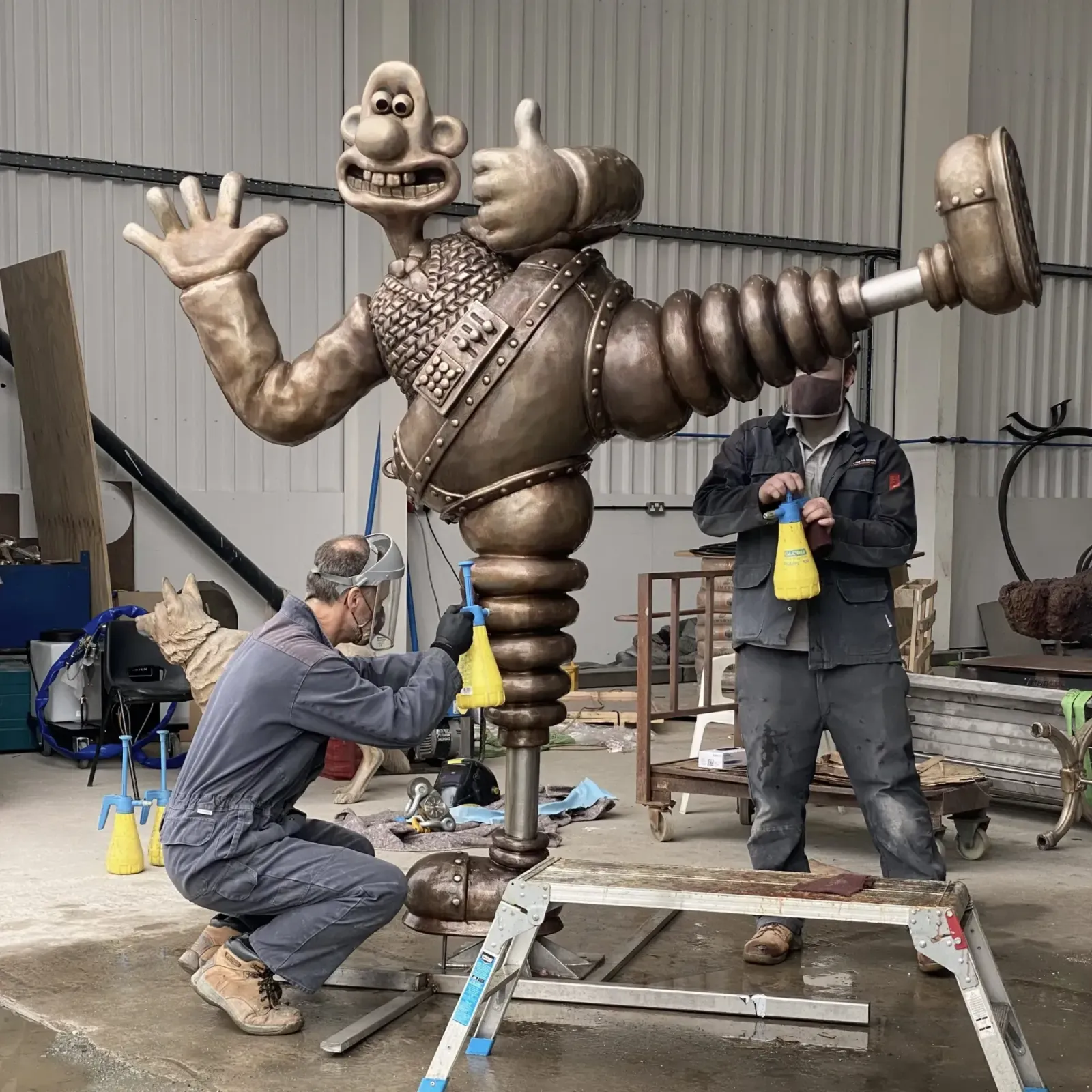
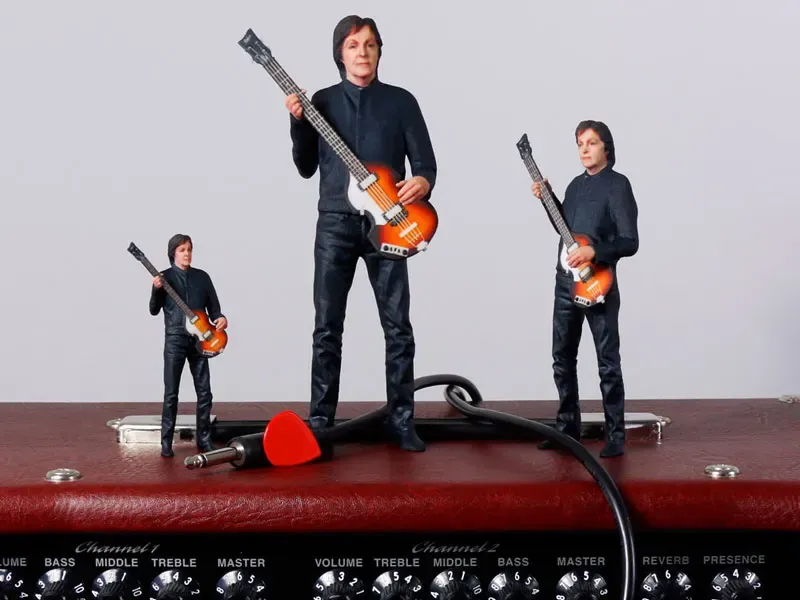
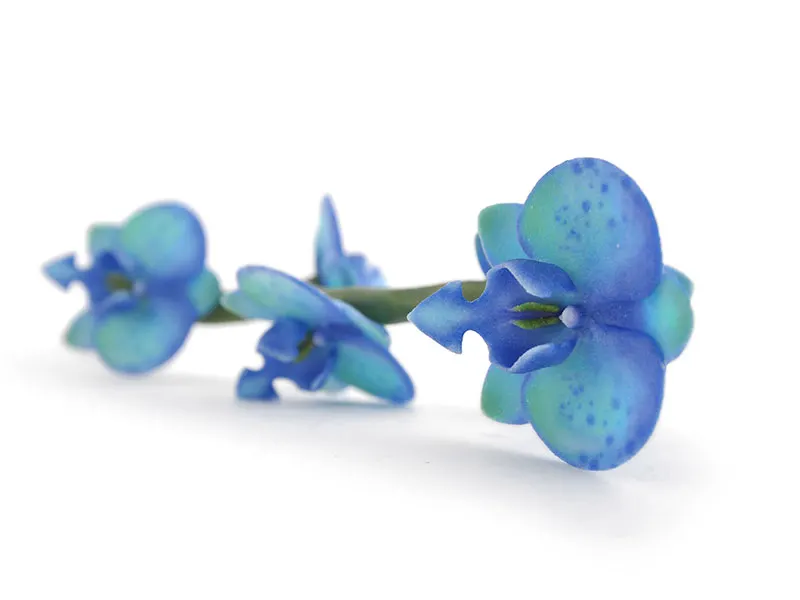
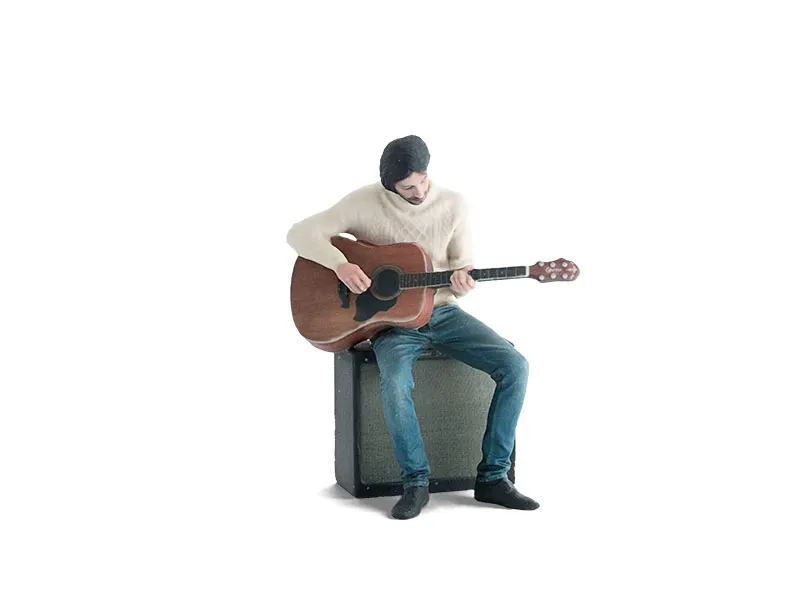
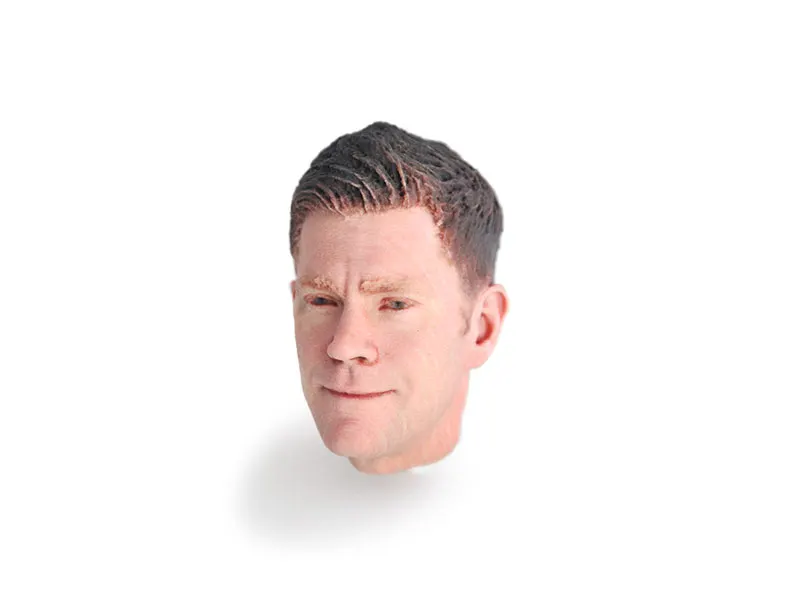
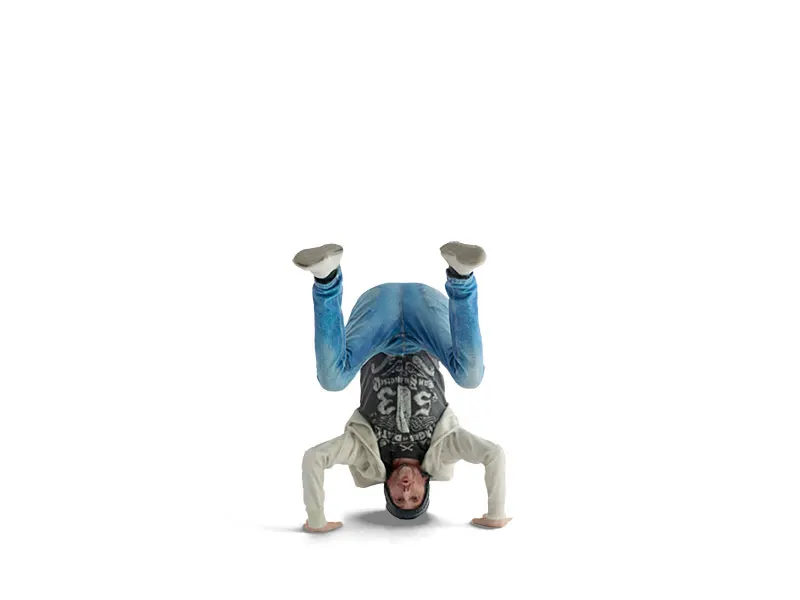
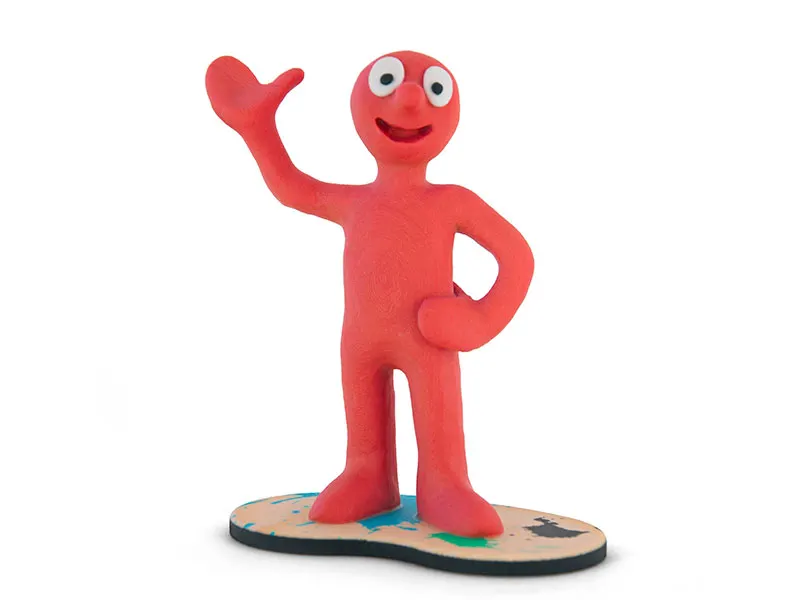
Figures and sculpture from our portfolio
Photographed in our own lab, with the machine that did it.
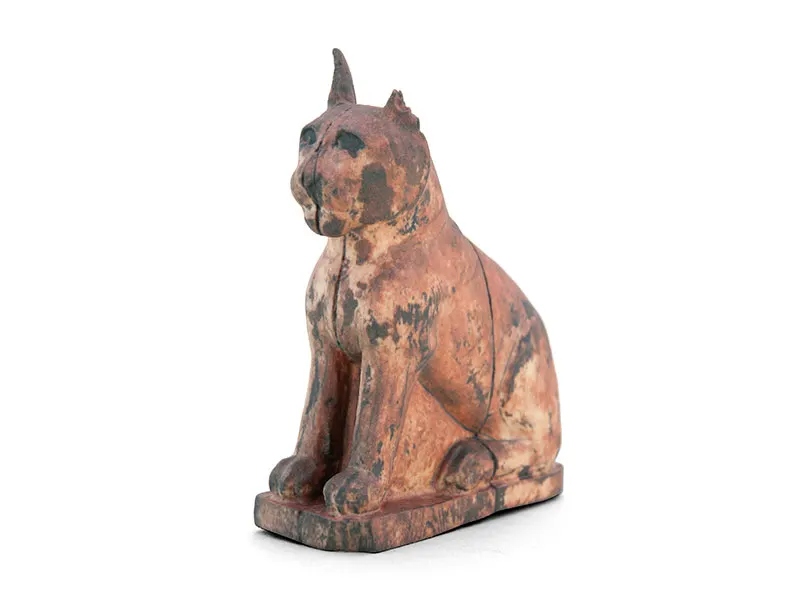
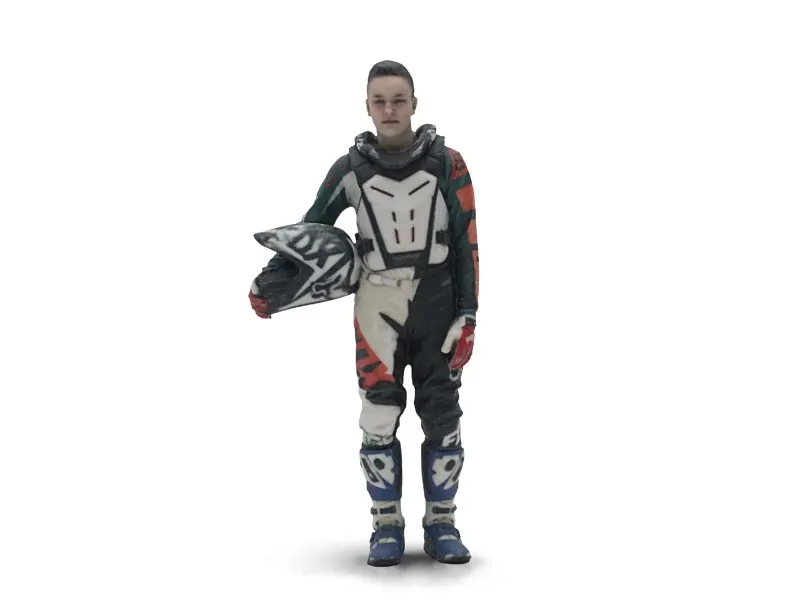
Why jewellers switch
What printing replaces
- 01
Hand-carving every wax
A complex piece carved by hand takes days. A second identical one takes days again.
- 02
A rubber mould for every design
Injected waxes need a mould and a master before the first casting. That is slow for one-offs and short runs.
- 03
Residue in the investment
A pattern that does not burn out cleanly leaves ash behind and spoils the casting. Castable resins are formulated to avoid it.
- 04
Detail a setting needs
Pre-set stones, filigree and tennis-style chains need detail measured in tens of microns, which most 3D printers cannot hold.
Questions we get asked
Something else? Ring 0330 229 0175 and an engineer will answer it.
Not answered here?
Ask the engineers who run the machines. We answer the same working day.
Which DWS 3D printer should a jeweller start with?
The DW 028XLHR is DWS’s current desktop 3D printer for jewellery and fashion accessories, with a 100 x 100 x 100 mm working area. It runs the full DWS jewellery range. The DW 029MKIII adds a 170 x 170 x 200 mm working area and a 20 micron HR version.
Which castable resin should I use?
Fusia Digital Wax casts much like traditional wax. It suits smooth, broad surfaces and casting trees. Fusia DC905 is for very fine detail and tight gaps, such as tennis chains or pre-set stones. Fusia DC800 handles filigree and solid sections in the same model. Fusia 445 is for production chains and high casting clusters.
Can I make rubber moulds from a print?
Yes. Precisa DL260 makes masters for vulcanised rubber and liquid silicone moulds used up to 150 °C. Therma DM220 makes masters for moulds up to 200 °C.
Does the software come with the 3D printer?
Yes. Nauta+ for file preparation and Fictor for 3D printer control are included with every DWS 3D printer. Nauta’s XCluster module builds casting trees automatically.
Do you support older DWS machines such as the XFAB?
Yes. The XFAB range is no longer in DWS’s current line-up, but we continue to support installed machines.
Can I see parts before I buy?
Yes. Book a demonstration and we will show you parts from a DWS machine before you commit.
See a DWS print before you buy
Tell us about a piece you make now. We will show you how it prints and casts, which machine suits your volume, as well as which resin suits the design. To price a print of your own file, use the instant quote.