.svg)
IndustriesManufacturing & tooling
3D printing for manufacturing and tooling
The parts that make the parts: fixtures, gauges, end-of-arm tooling and the spare that stopped being available in 2009. Printed in nylon for load, in filled or high temperature resin for heat and redesigned as fast as the line changes.
- Production and manufacturing engineers
- Maintenance and line support teams
- Automation and robot integrators
- Toolrooms and mould makers
- Quality and inspection departments
- Up to 70%
- more load capacity in Bowman’s printed bearing cages
- Up to 500%
- longer working life reported by Bowman International
On the line
What production engineers send us
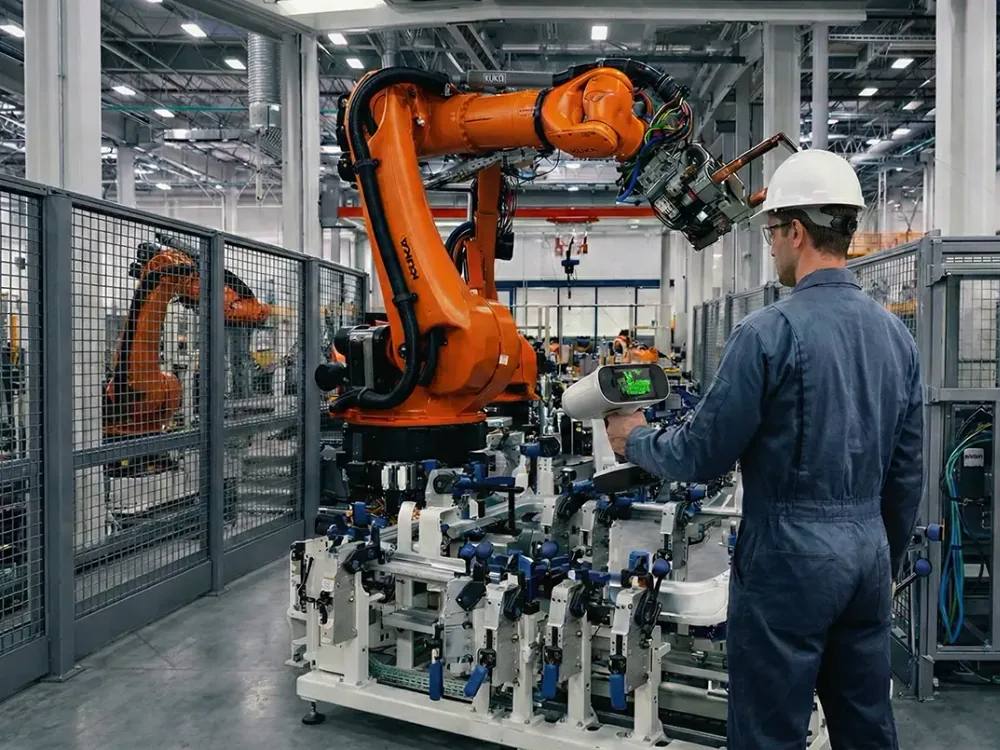
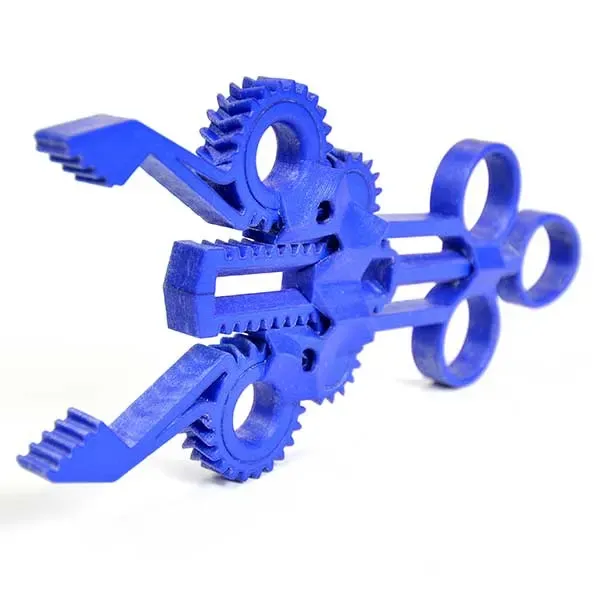 End-of-arm tooling and grippersPrinted light so the robot can move faster, with the geometry shaped to the part rather than to what could be machined.Read more
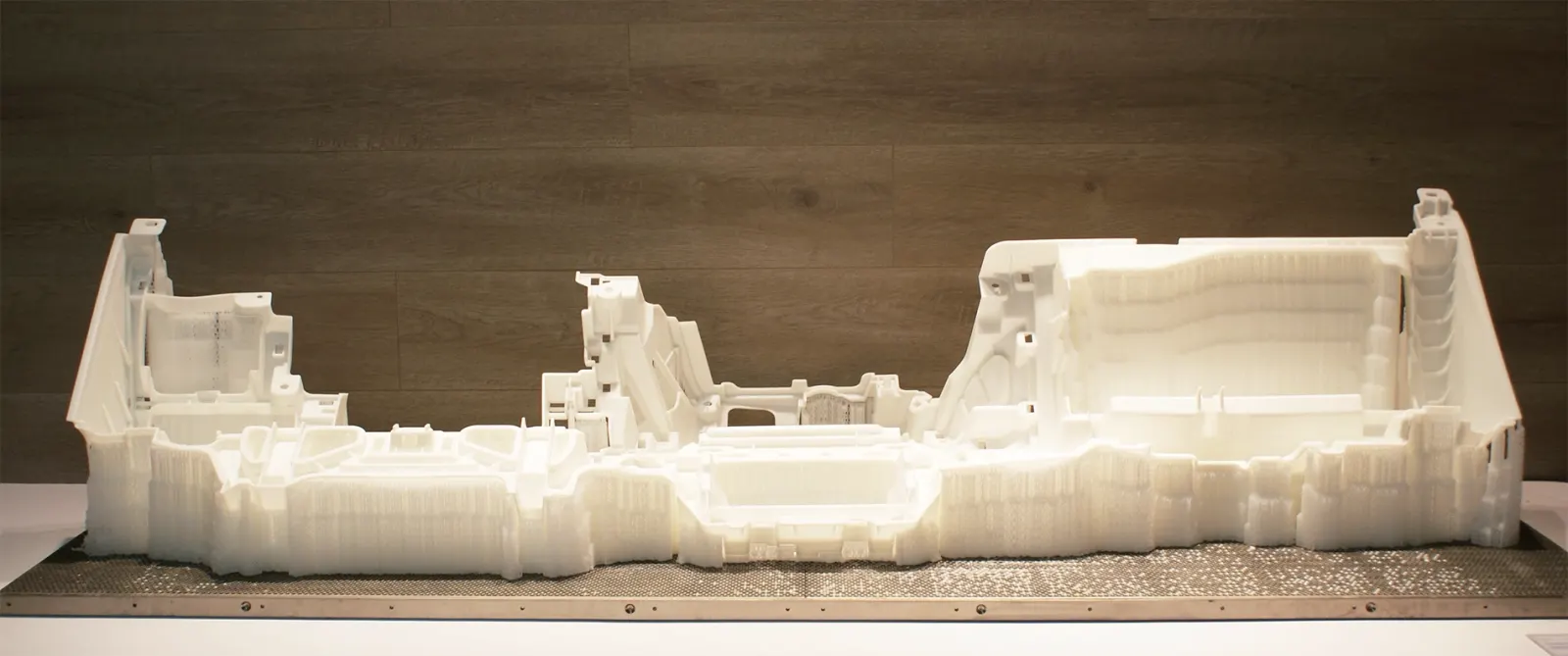
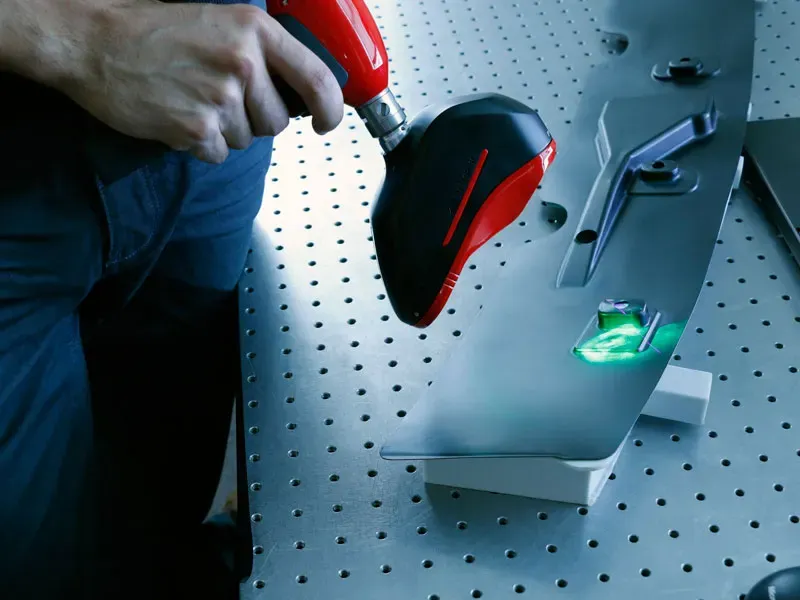 Workholding, fixtures and checking gaugesInspection jigs and checking fixtures in PA12, stiff enough to work with, at a fraction of the cost of a machined one.Read more
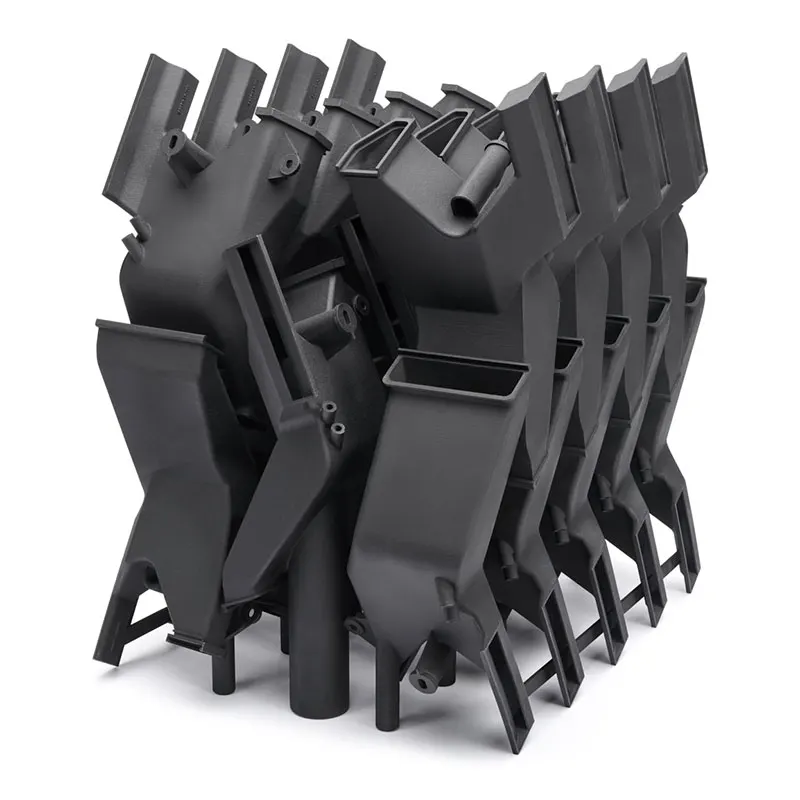
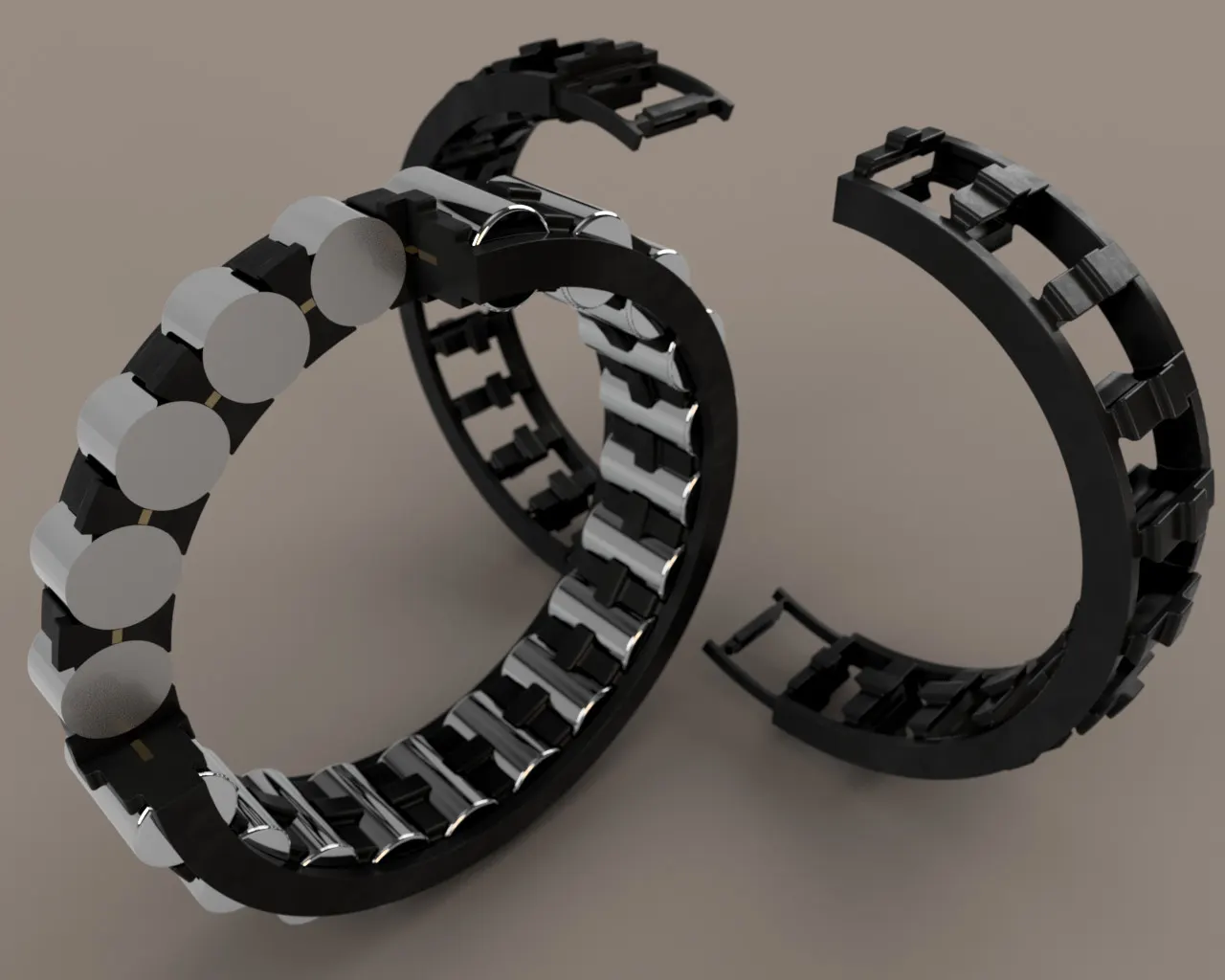
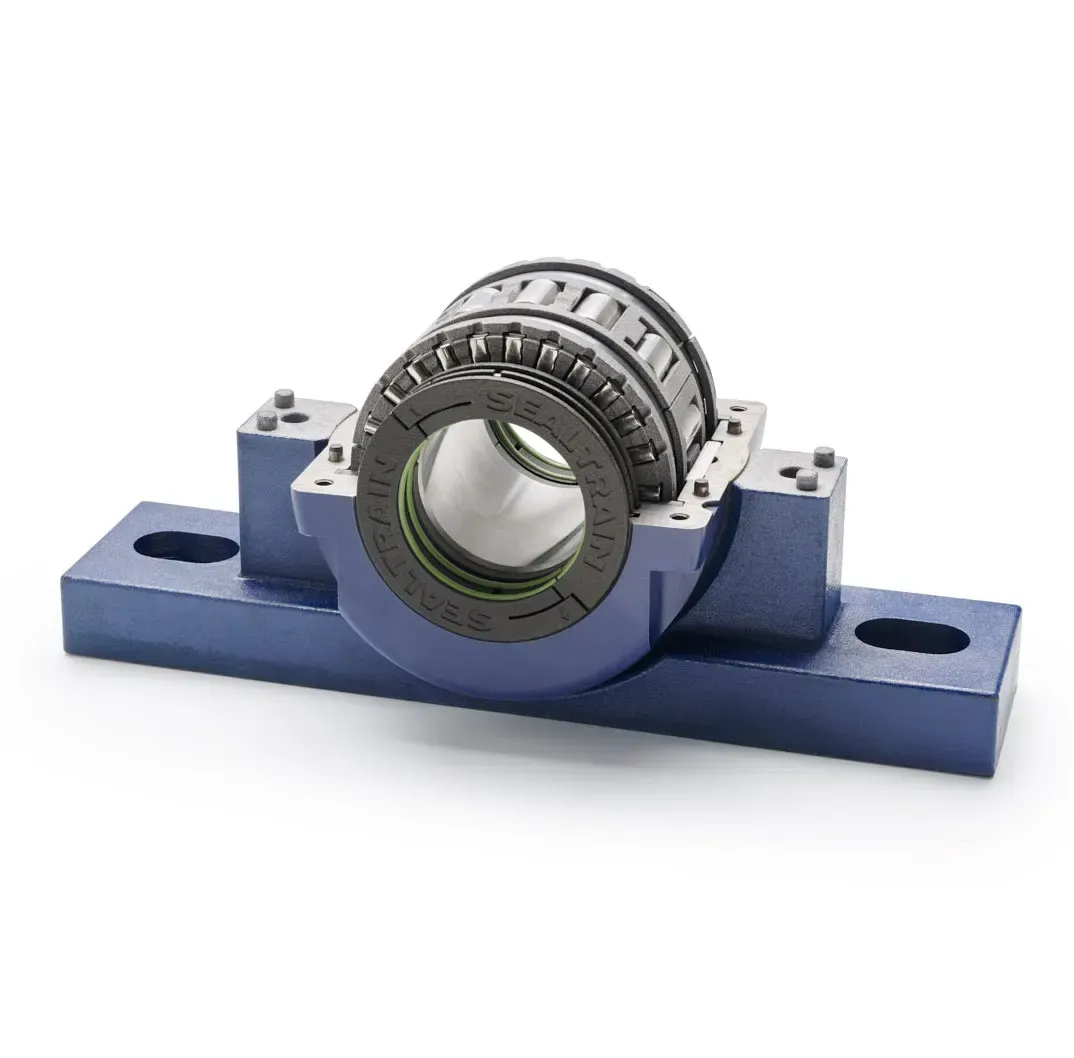 Functional production partsBearing cages, seals and housings in PA11 or PA12, made in production volumes on HP Multi Jet Fusion.Read more
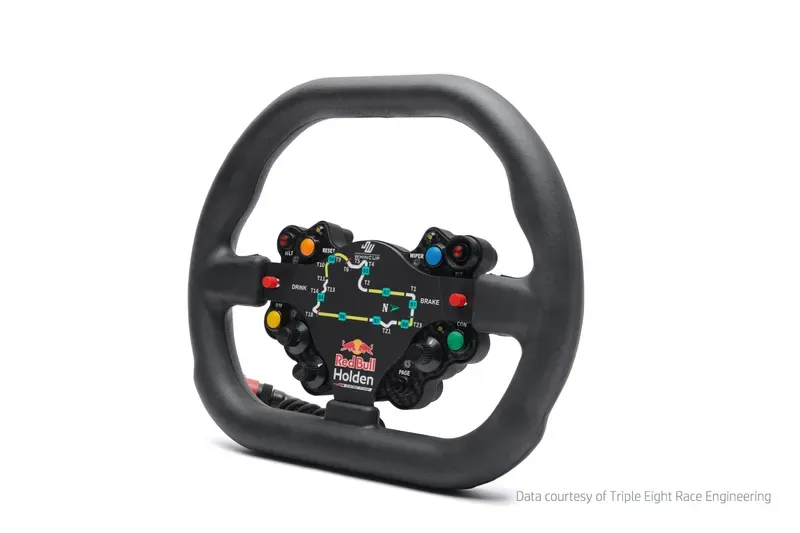 Moulds and tooling insertsSomos PerFORM is the ceramic-filled resin used for rapid tooling and mould inserts that need to tolerate heat as well as pressure. Toyota Motorsport used it to start producing injection tooling.Read more
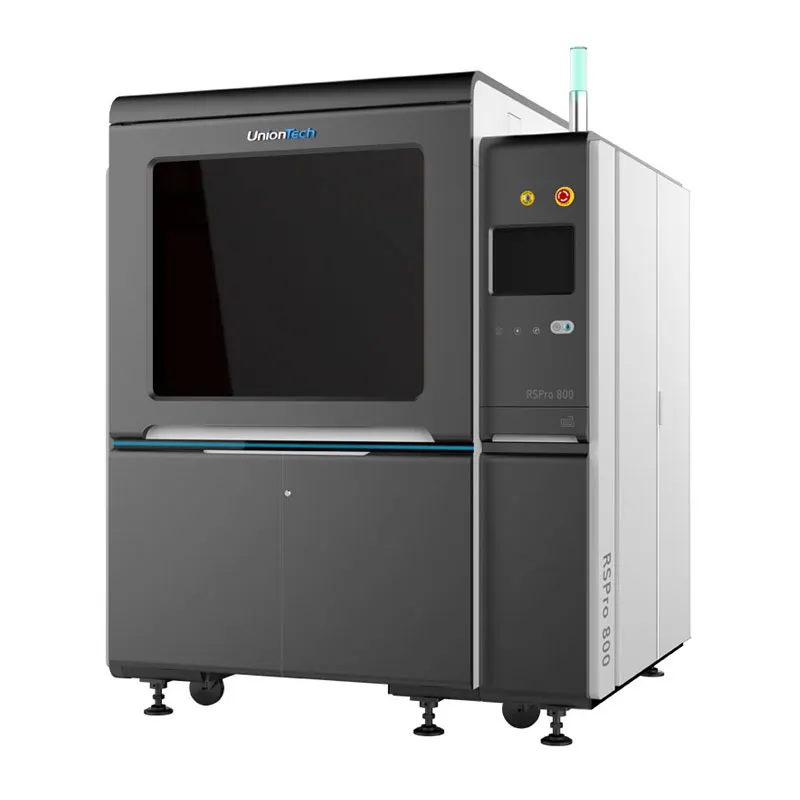
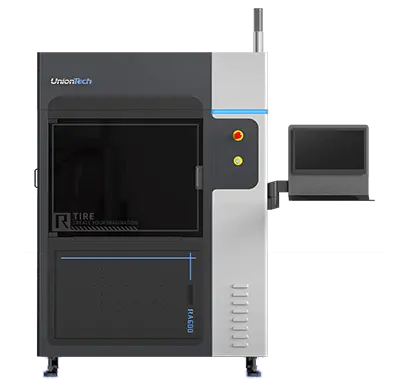
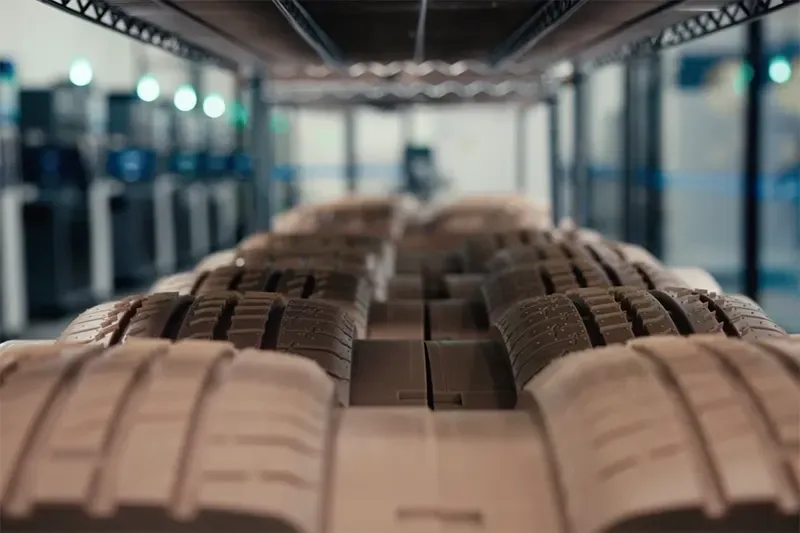 Tyre mouldsThe UnionTech RA600 is an SLA 3D printer built for tyre mould production, holding tread patterns to ±0.1 mm on a 600 x 600 x 400 mm build.Read more
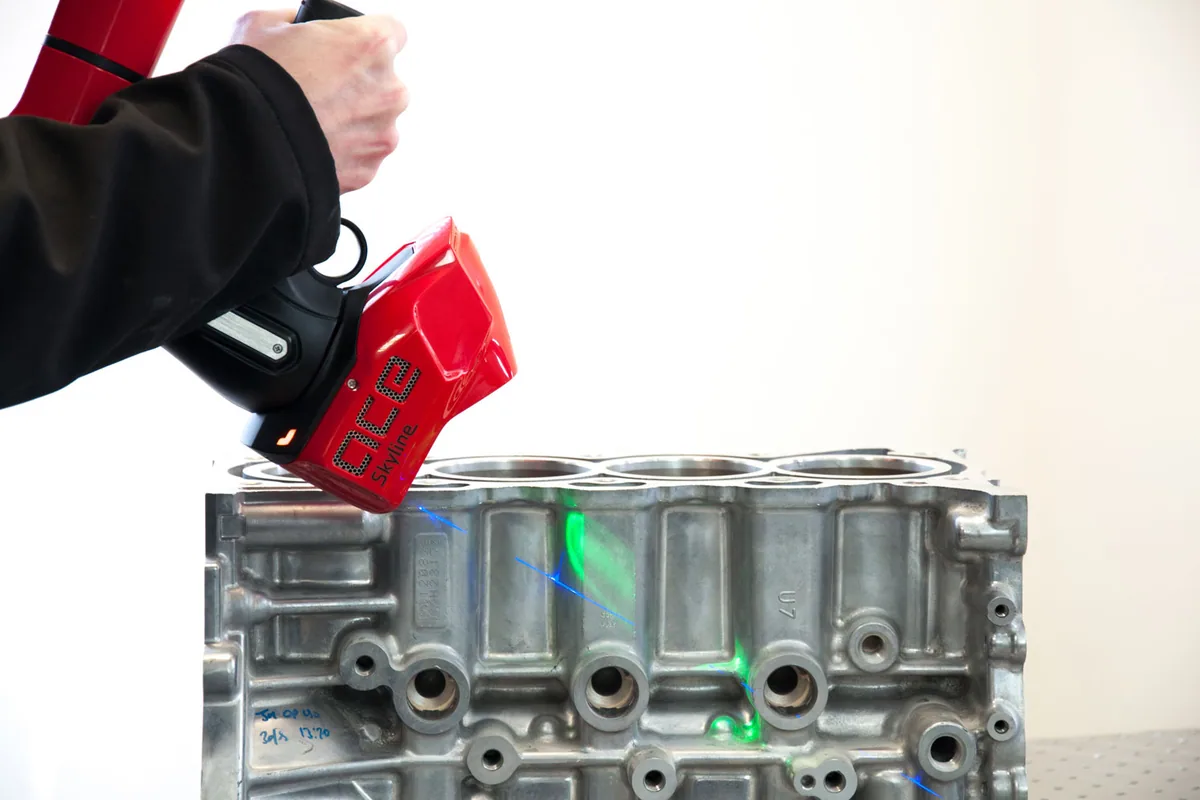
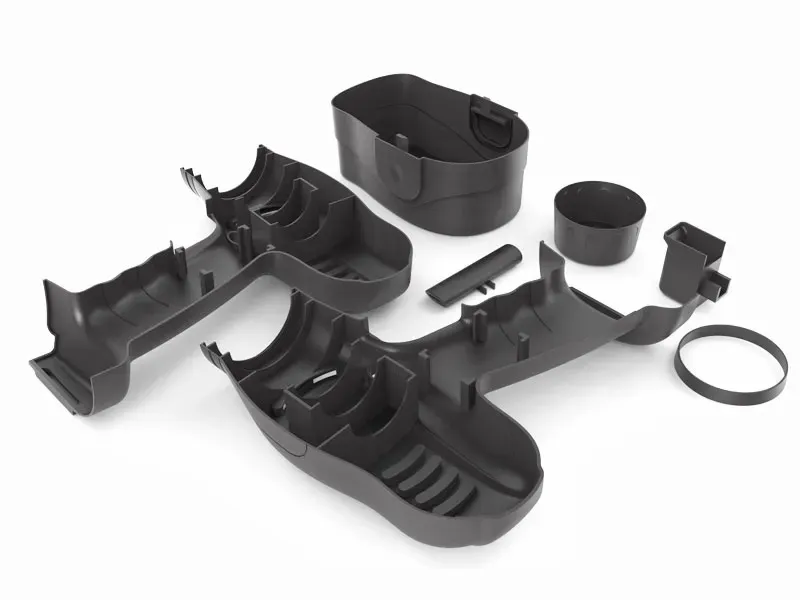 Line-side spares, guards and coversPrinted the day they break. Where there is no drawing, the broken part is scanned and the replacement printed from the scan.Read more
Why printing, here
Why tooling is the first thing to print
- 01
Made in ones and twos
Fixtures, gauges and grippers are needed in tiny numbers. That is exactly where machining is slow and expensive.
- 02
The line changes on Tuesday
A new variant or a process change means new tooling. A printed fixture can be redesigned on Tuesday for Wednesday.
- 03
Nobody has the drawing
On a production line, the part usually exists and the drawing does not. The original CAD rarely reflects what is actually running in the cell.
- 04
Weight slows the robot
Heavy machined end-of-arm tooling limits how fast a robot can move. Lighter tooling raises the cycle rate.
- 05
Heat near the process
Fixtures near ovens, moulds or motors need a material that stays stiff and holds its shape hot.
The jig and fixture route
From the part on the line to the fixture that holds it
Scanning is the front of the job and printing is the back of it. We do both, in one building.
- 1
Start from the part
Send the CAD if you have it. If you do not, we scan the part, the old fixture or the gripper as it is actually running.
- 2
Design the fixture around it
The fixture is shaped to hold the part where it needs to be without distorting it. For AER Stafford we printed a fixture that held a flexible, thin-walled part under vacuum so it could be measured accurately.
- 3
Choose the material for the job
MJF PA12 nylon for anything that takes load. High Temp 220D SLA resin, with heat deflection up to 227 °C, for anything that gets hot.
- 4
Print, several at once
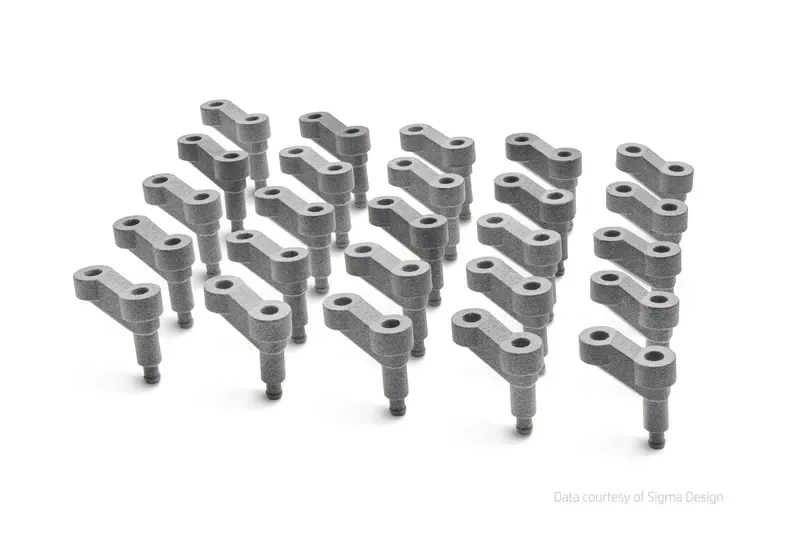
A full MJF build takes 12 hours however many parts are in it, so a set of fixtures, spares and grippers comes off one build.
- 5
Prove it, then revise
Try it on the line. If it needs to change, the change is a file edit and the next one is another print, not a remake.
Materials for tooling
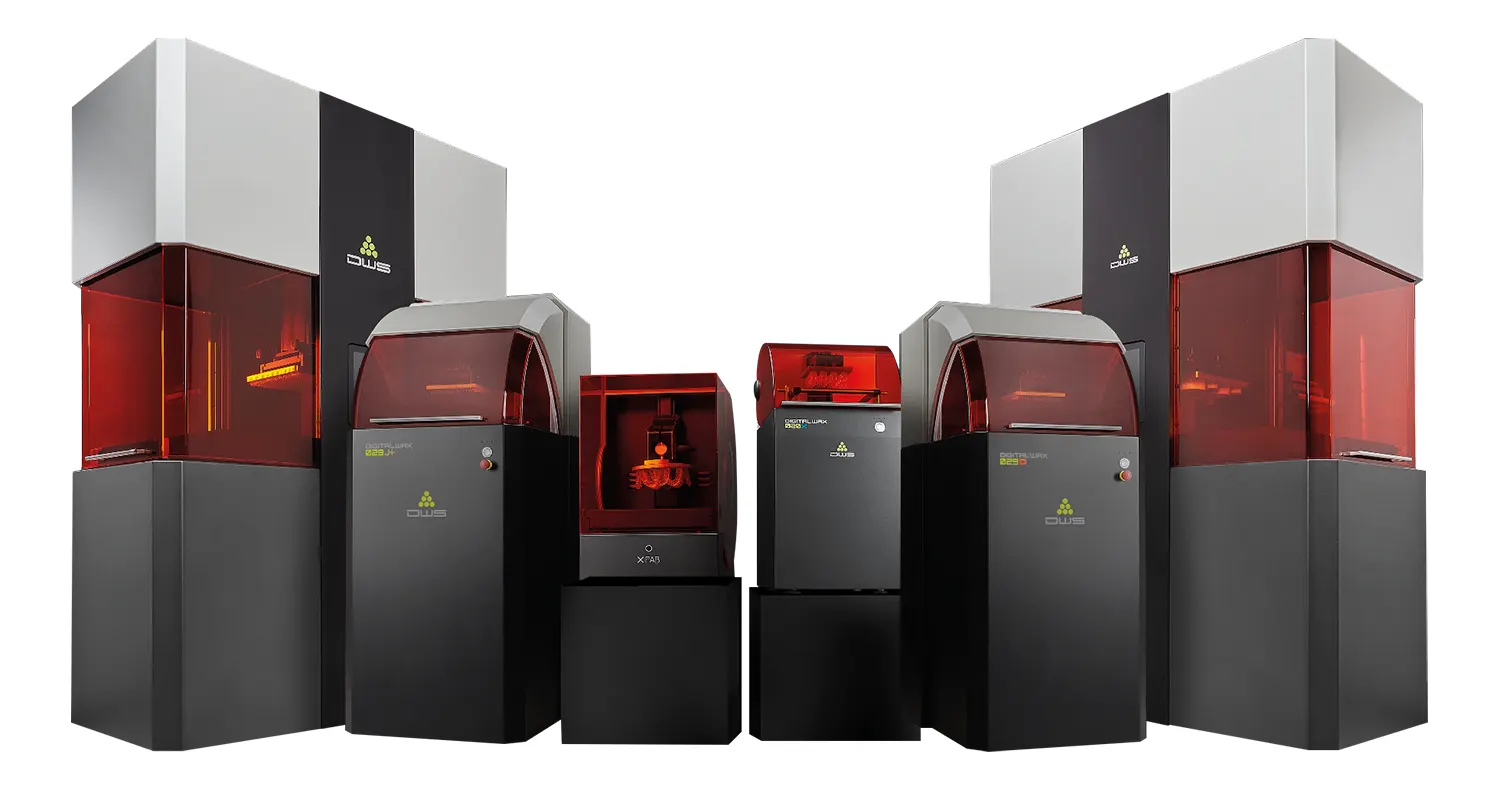
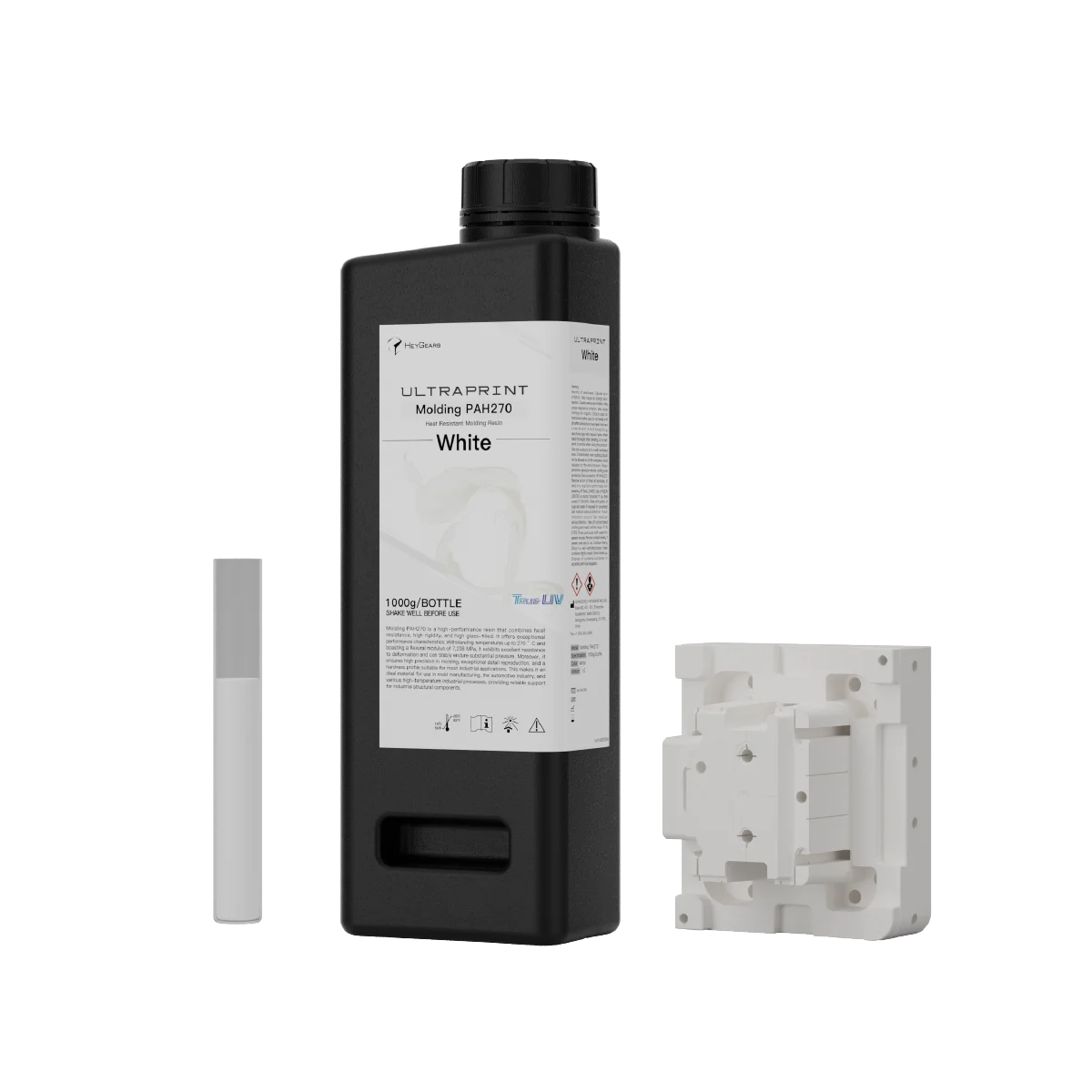
PA12 is bureau stock. Somos PerFORM, EvoLVe 128 and Taurus are resins we supply for UnionTech SLA. AME-3D run EvoLVe 128 for jigs, fixtures and functional prototypes.
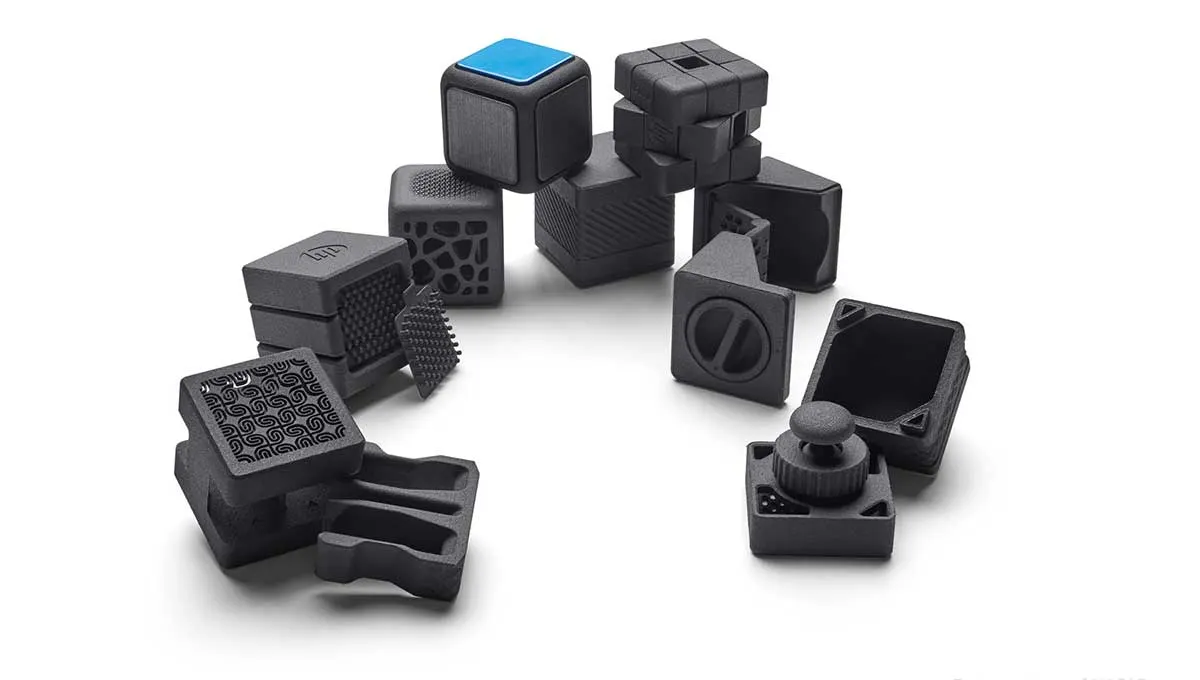
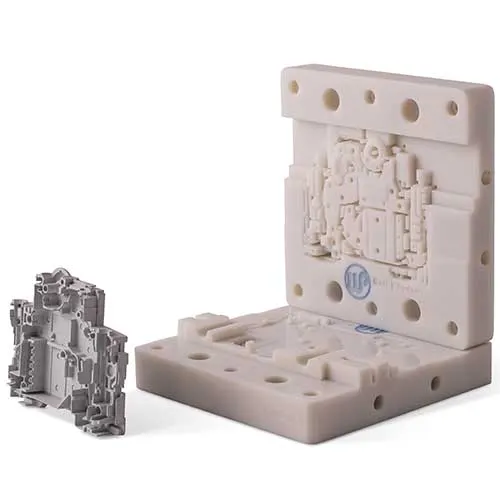
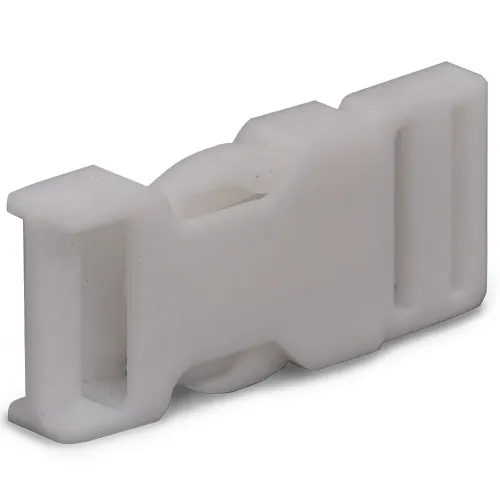
Tooling and production work
Jobs we did ourselves, written up with the people we did them for.
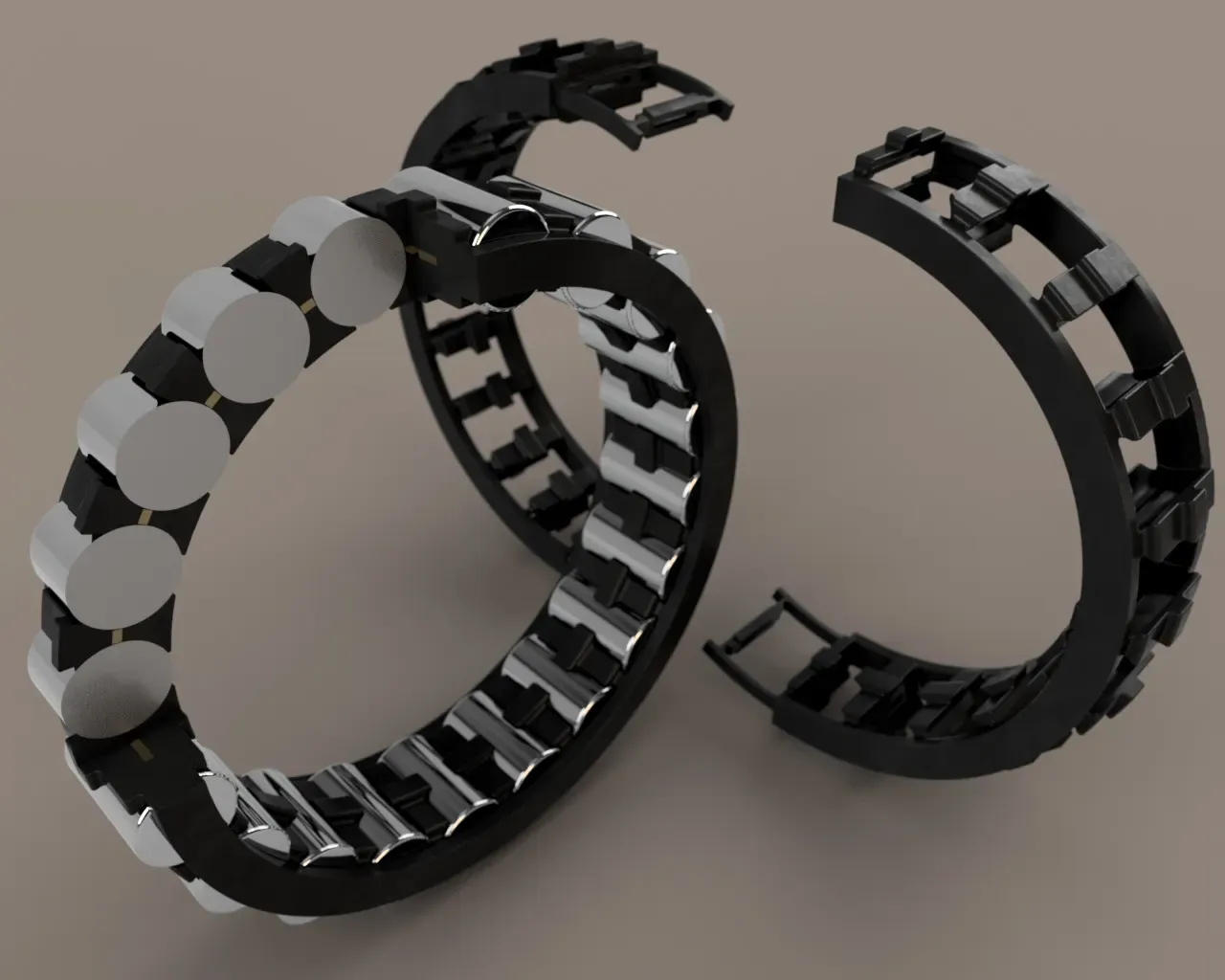 Case studyBowman International bearing cagesBowman make end-use bearing cages on an HP 4200 we supplied, the first in the UK to use PA11, reporting up to 70% more load capacity and up to 500% longer working life.Read the case study
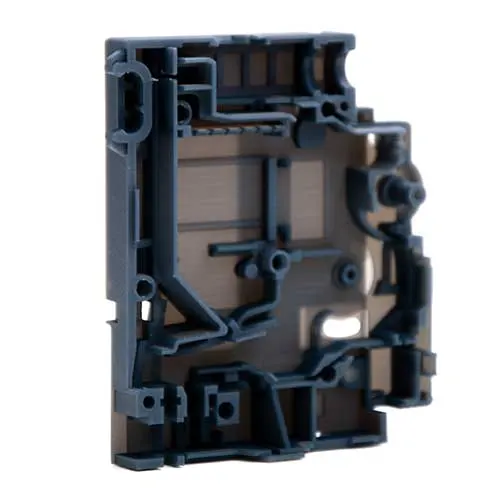
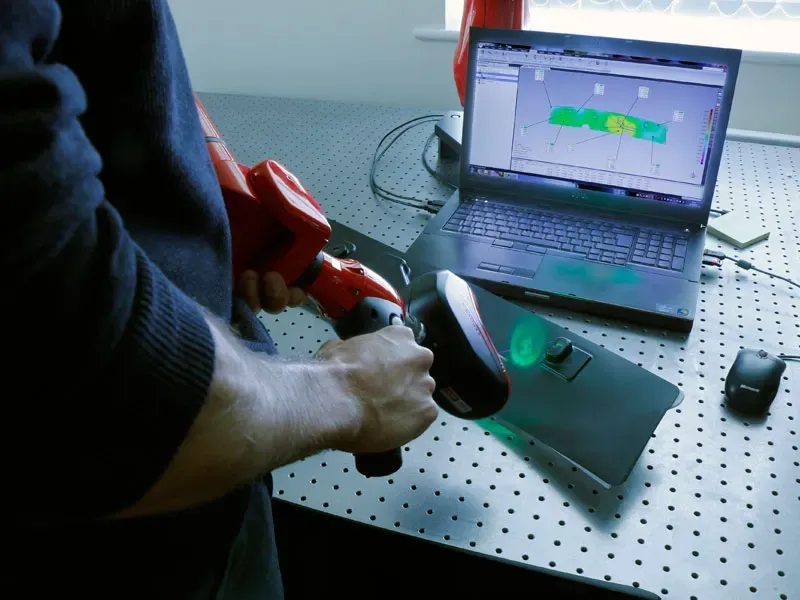 AER Stafford: a printed fixture for inspectionA supplier to Jaguar, Aston Martin and Toyota needed a flexible part held without distortion. We designed and printed a vacuum fixture so it could be scanned, then compared to CAD.
- Keeping robot cells runningHow automotive maintenance teams scan jigs, fixtures and grippers as they actually run, so a cell can be recovered quickly after a collision.
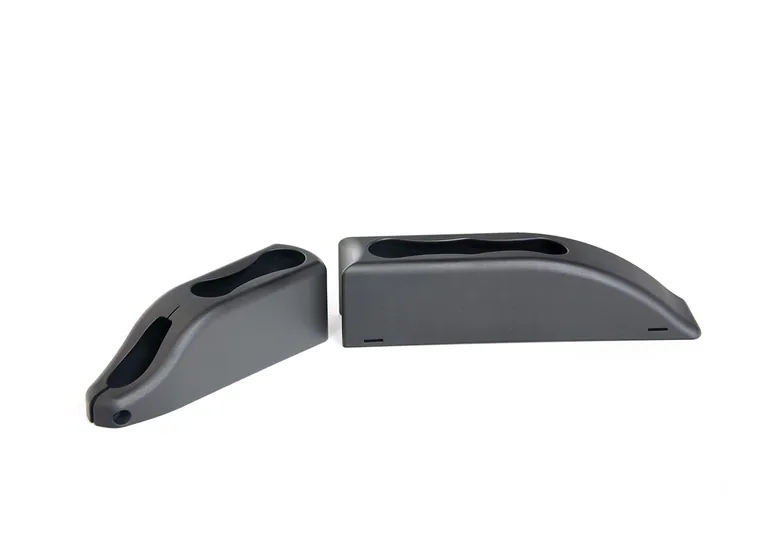
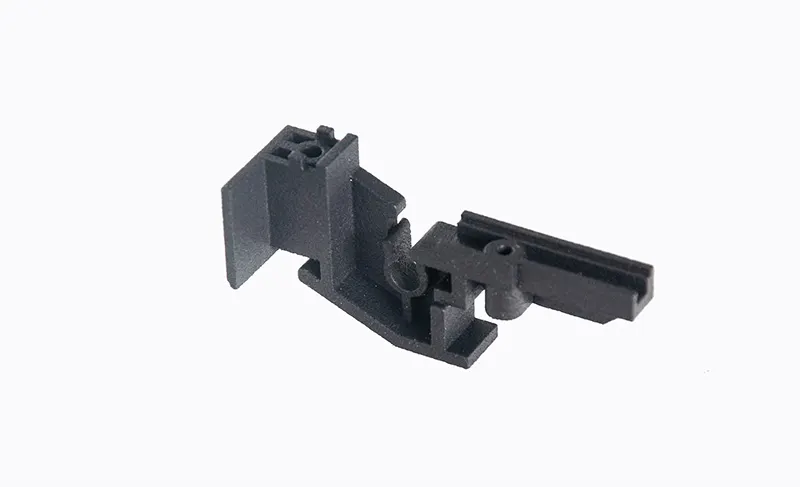
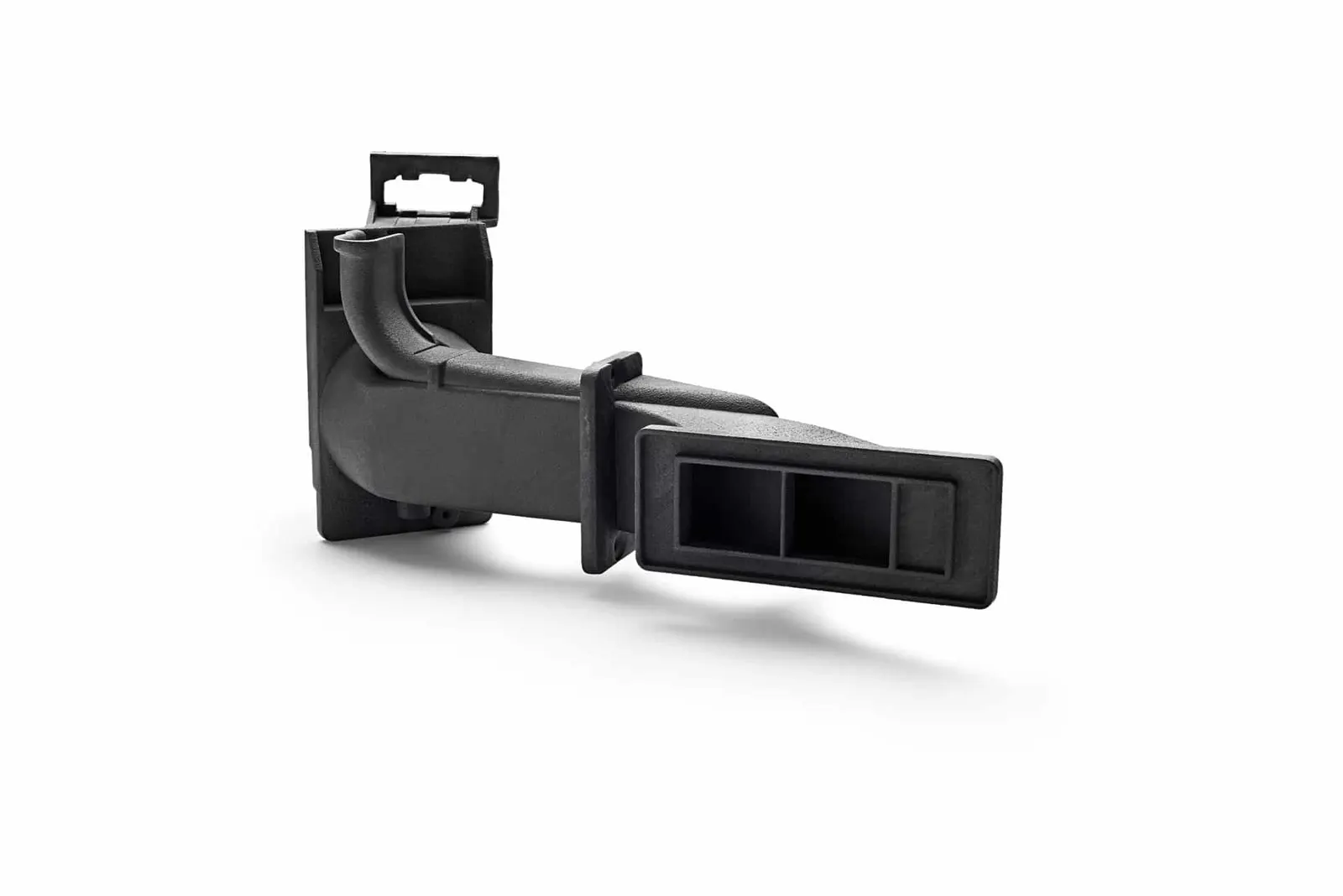
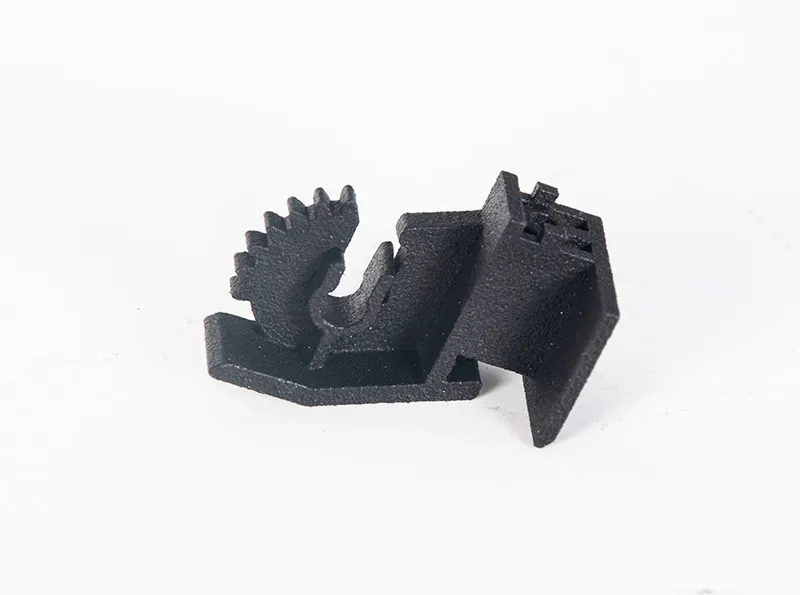
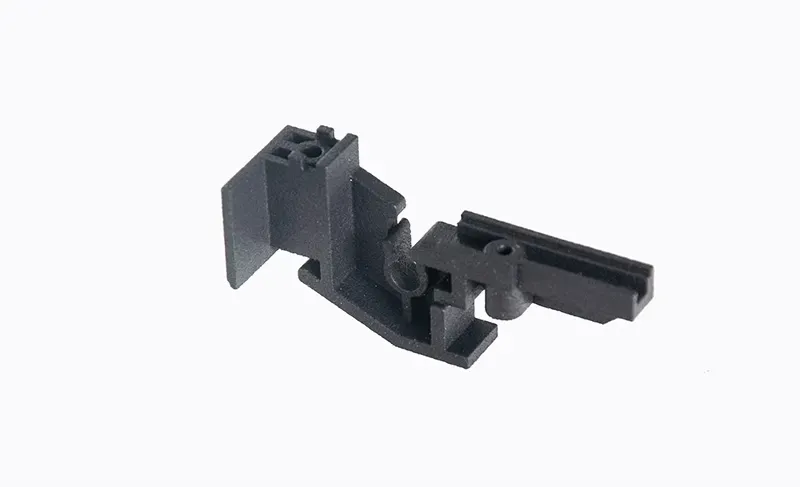 Denon receiver door hingeA discontinued hinge, scanned, rebuilt and printed in black PA12. It is now a product in our shop.
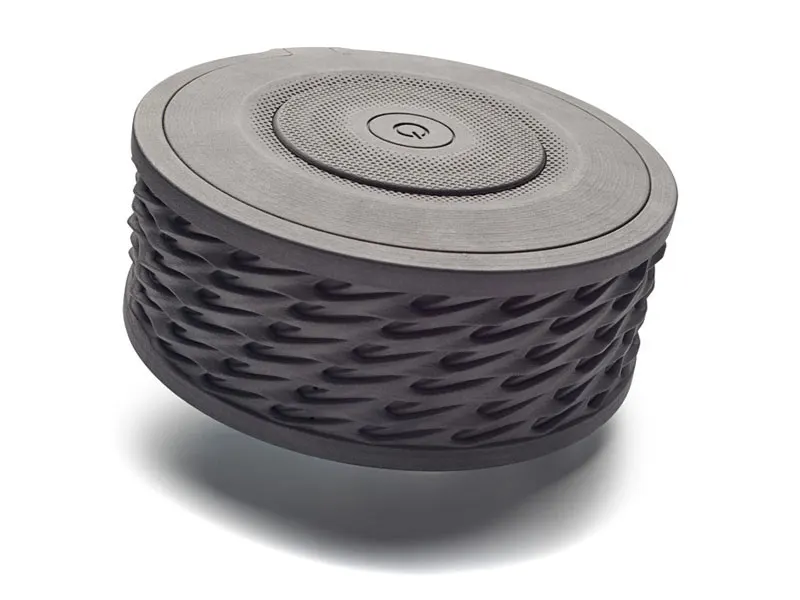
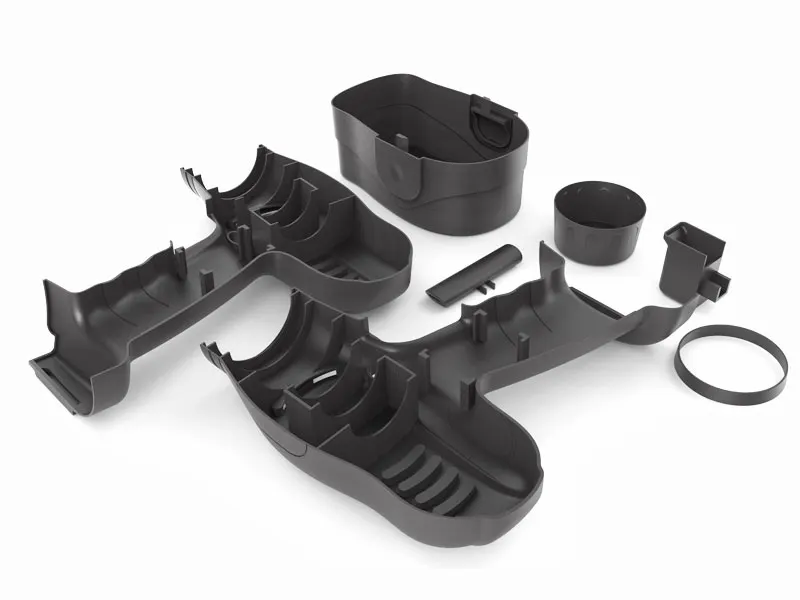
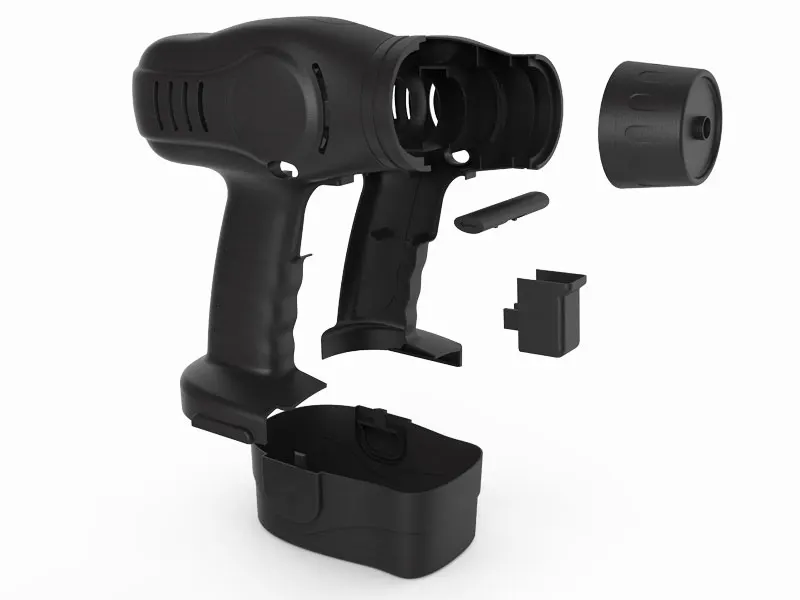
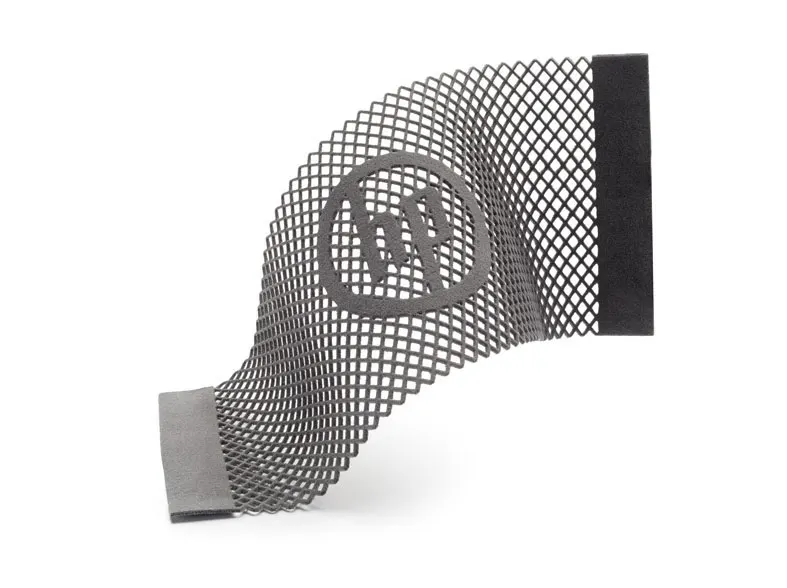
Industrial work from our portfolio
Photographed in our own lab, with the machine that did it.
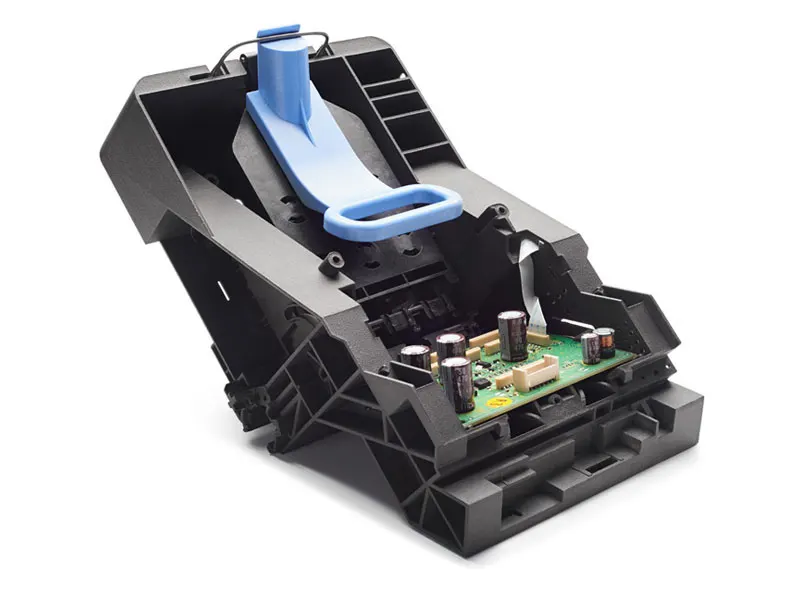
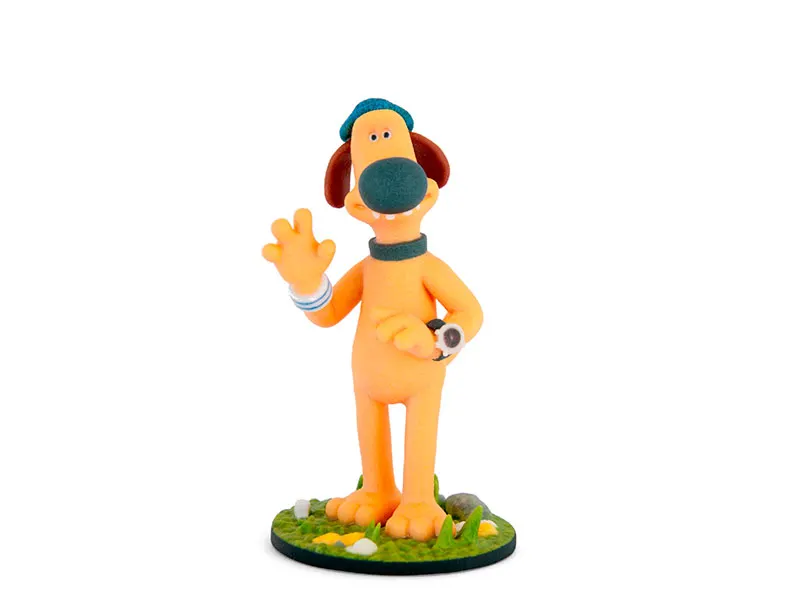
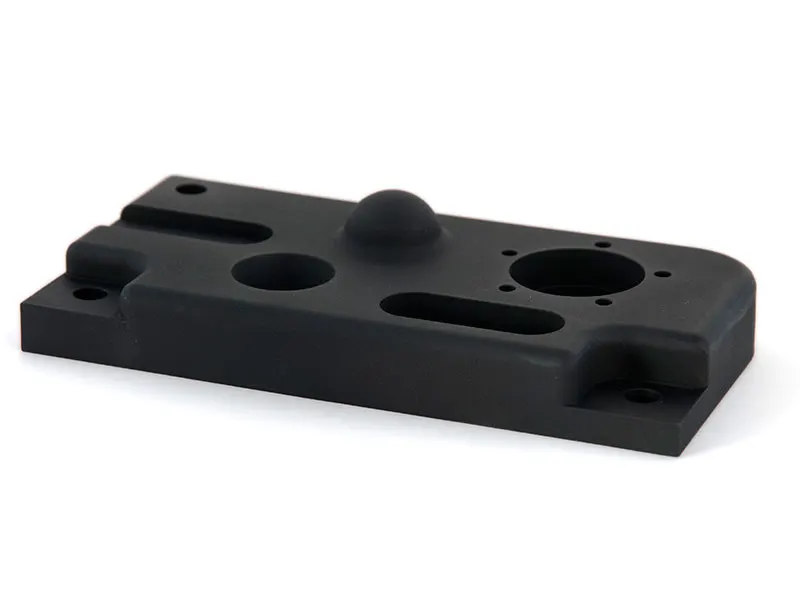
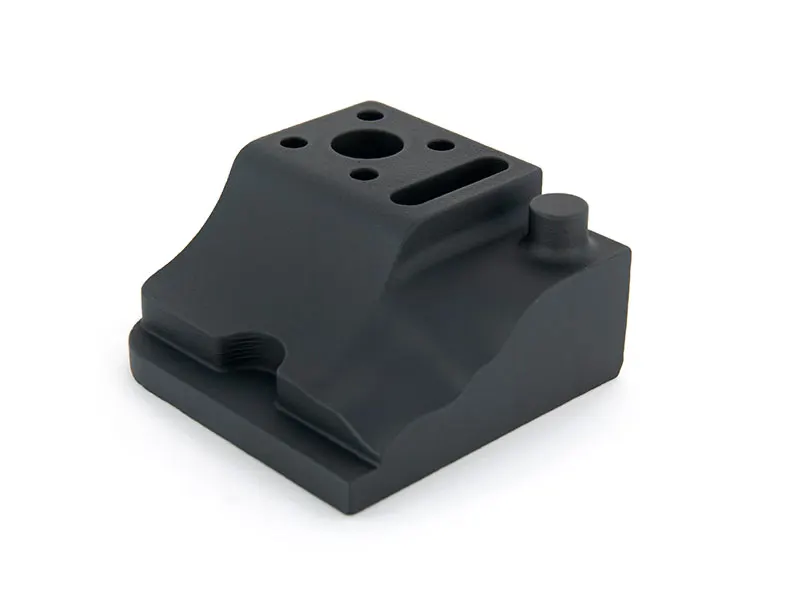
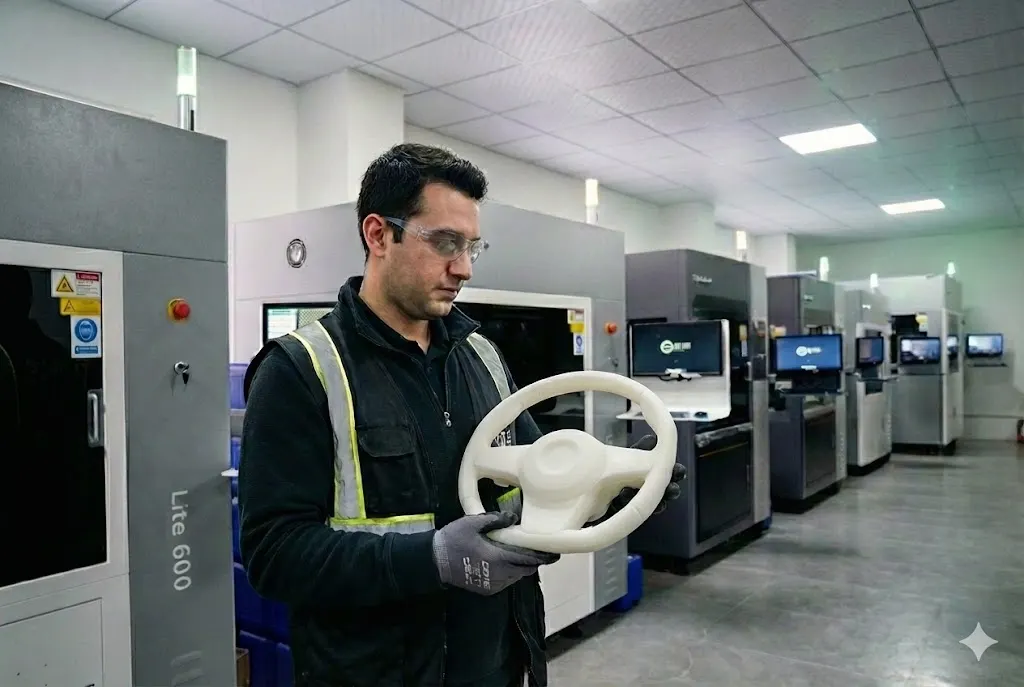
Tooling in-house
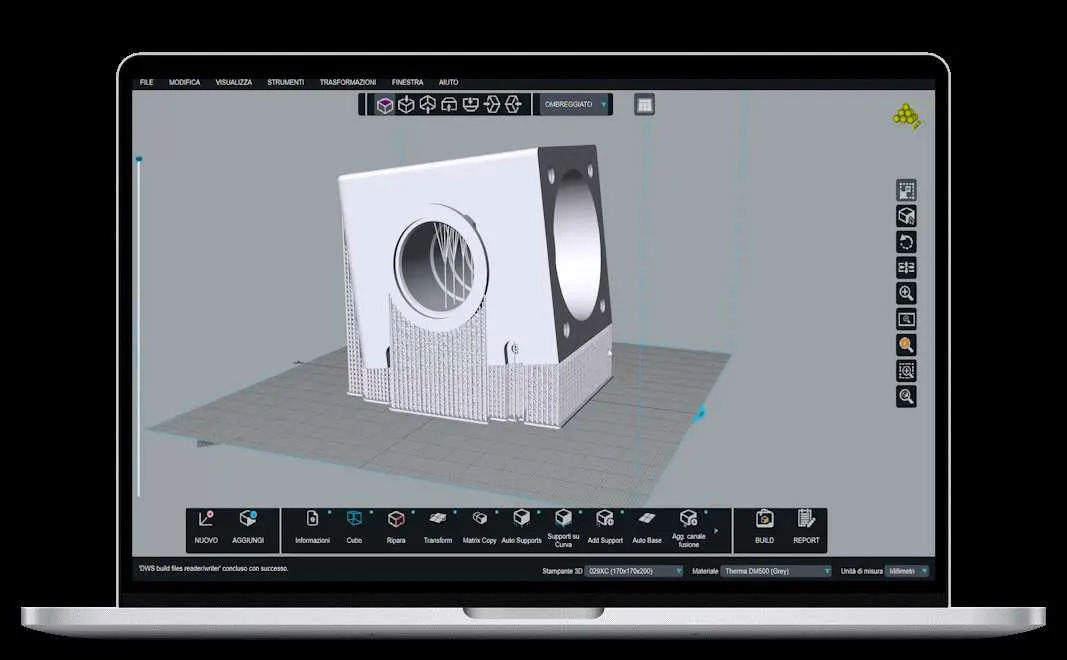
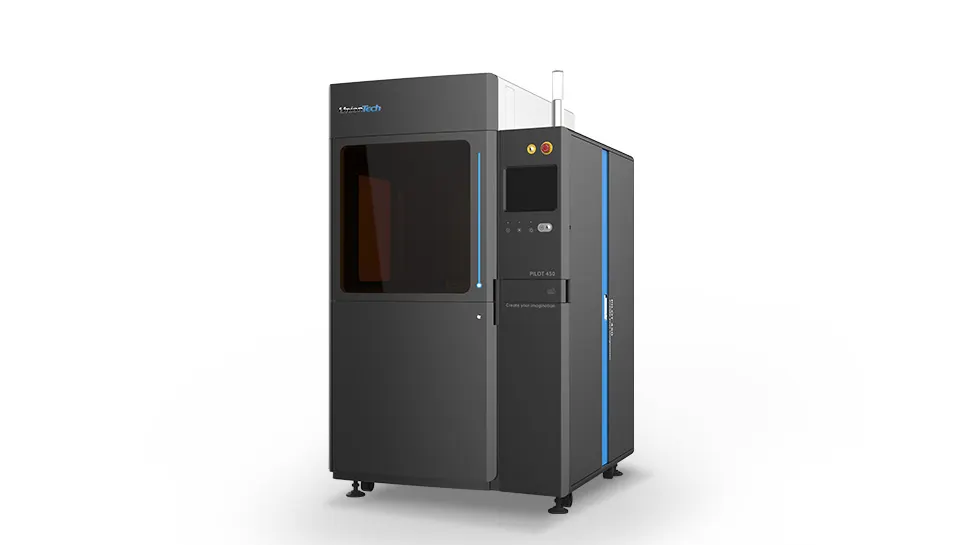
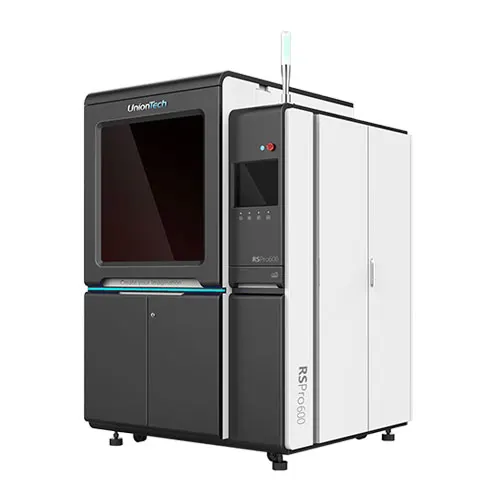
UnionTech SLA runs Somos tooling resins on an open platform. The RA600 is built specifically for tyre moulds.
When the fixture has no drawing
Licensed, installed and taught by us. See the courses
What the work usually is
Questions we get asked
Something else? Ring 0330 229 0175 and an engineer will answer it.
Not answered here?
Ask the engineers who run the machines. We answer the same working day.
Which material should I use for a jig or fixture?
MJF PA12 nylon for load-bearing work and a filled or high temperature SLA resin for anything hot.
How much heat can a printed resin fixture take?
Our High Temp 220D resin reaches a heat deflection temperature of up to 227 °C at 0.455 MPa and 170 °C at 1.82 MPa, after post-processing. It is more rigid and less impact tolerant than tough resins.
What if the fixture or spare has no drawing?
We scan the existing part and print from the scan, or rebuild it as editable CAD in Geomagic Design X first. Scanning and printing happen in one building.
Can printed parts go into production, not just tooling?
Yes. Bowman International print end-use bearing cages in PA11 on HP Multi Jet Fusion. MJF parts are isotropic and watertight. They are resistant to heat and chemicals.
How fast can you turn a fixture round?
Raw grey MJF parts have a 4 to 6 day lead time. Many parts fit in one 12 hour build, so a set of fixtures can come off the same build.
Will you reproduce a spare part free of charge?
Some replacement parts qualify for Scan-to-Part, where the part is discontinued and other people are likely to need it. Safety-critical, lifting, pressure and load-bearing parts do not qualify.
Send us the part that makes the part
Describe the job the fixture does, or send the broken spare. We will tell you whether printing is the right answer, including when it is not.