.svg)
IndustriesAutomotive & motorsport
3D printing for automotive and motorsport
Jigs that hold a panel where it needs to be, ducting nobody makes any more, brackets in a fortnight rather than a quarter, plus trim in numbers too small for a tool. Printed in nylon on HP Multi Jet Fusion, or in resin on industrial SLA when the surface matters more than the strength.
- Vehicle manufacturers and tier suppliers
- Motorsport teams
- Classic and restoration specialists
- Line and maintenance engineers
- Prototype and styling studios
- 12 hours
- for a full MJF build, however many parts are in it
- 380 x 380 x 284 mm
- MJF build volume in PA12 and PA11
- 800 x 800 x 550 mm
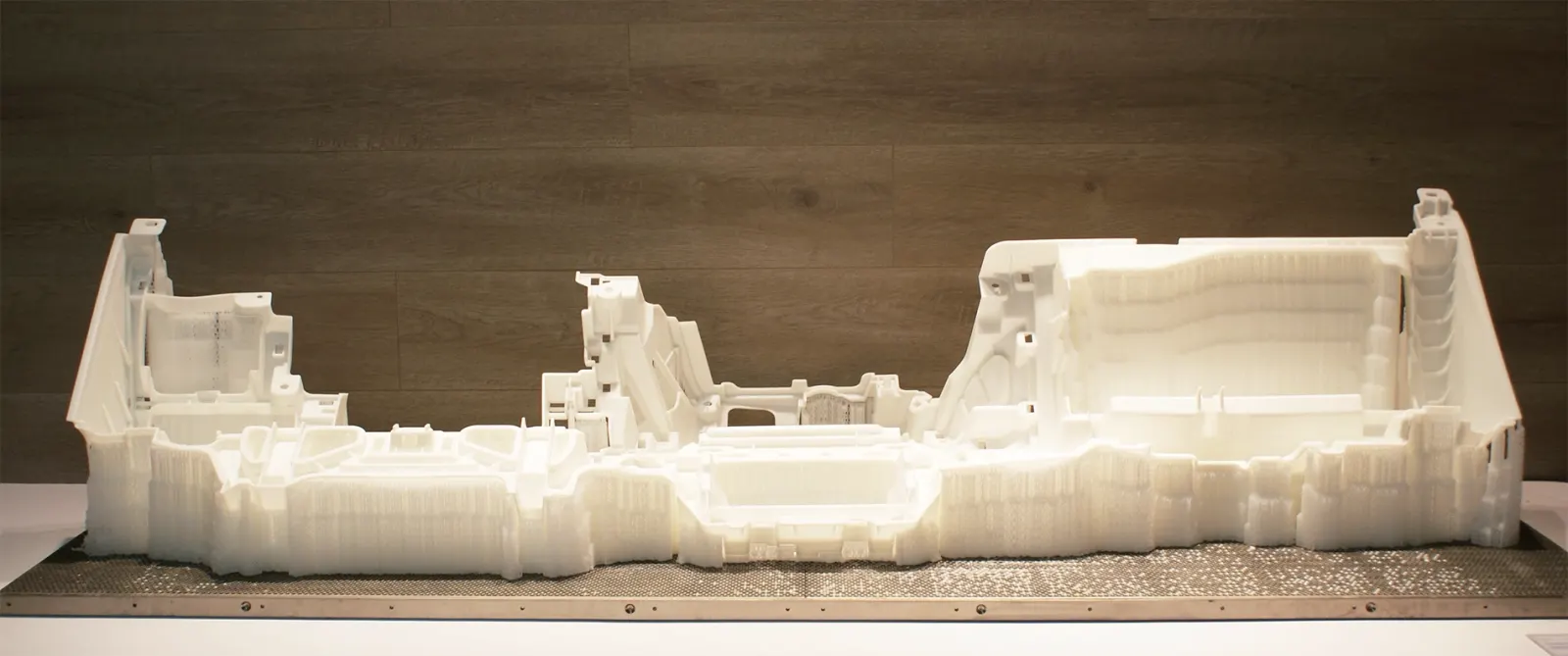
- largest single SLA part in Standard White
Where it earns its keep
The parts a car programme actually asks for
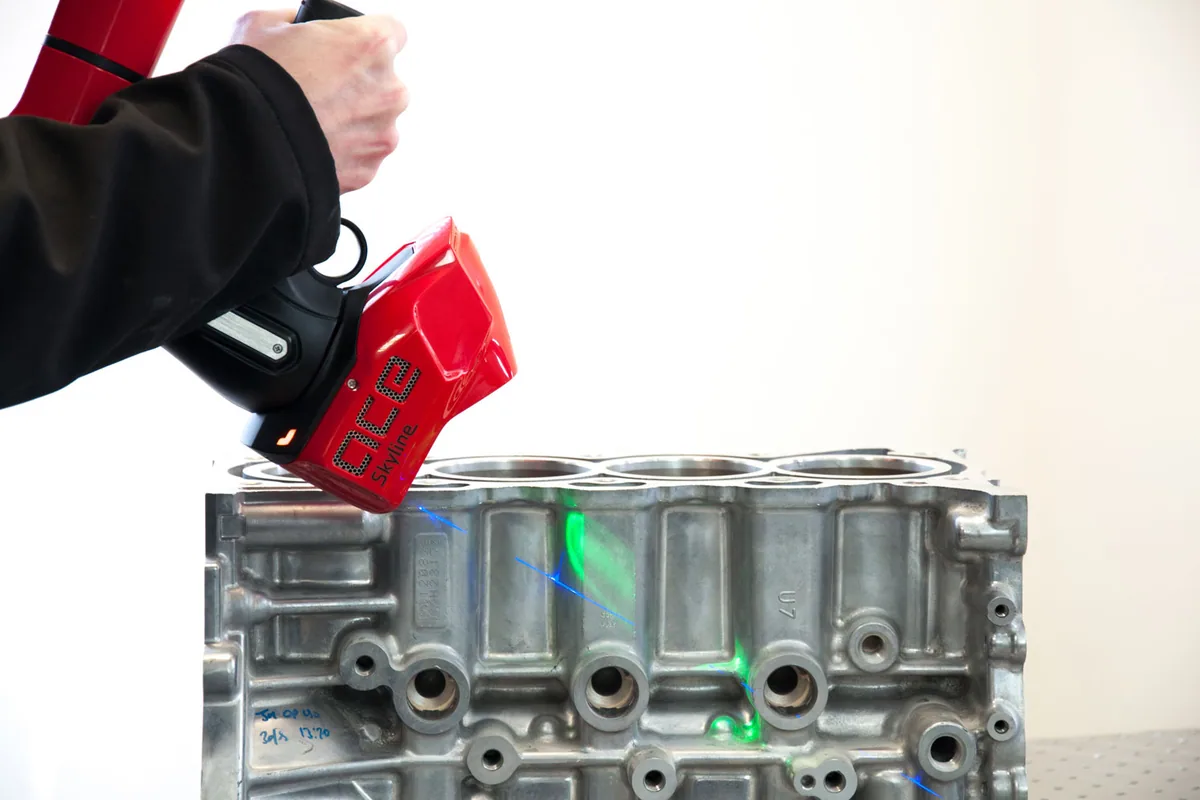
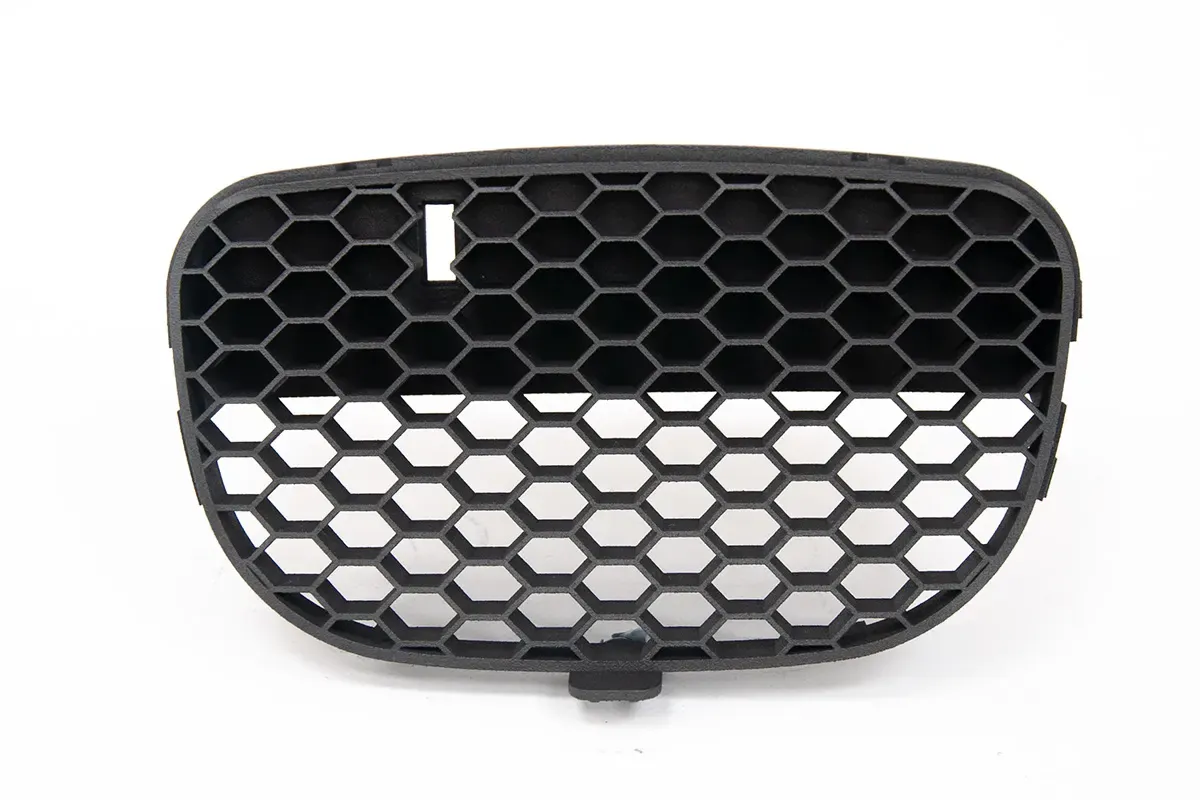 Obsolete and discontinued partsScanned from the original, rebuilt as CAD and printed back in PA12. This Seat Leon Cupra R grille was scanned and modified to a customer request. It is now a product in our shop.Read more
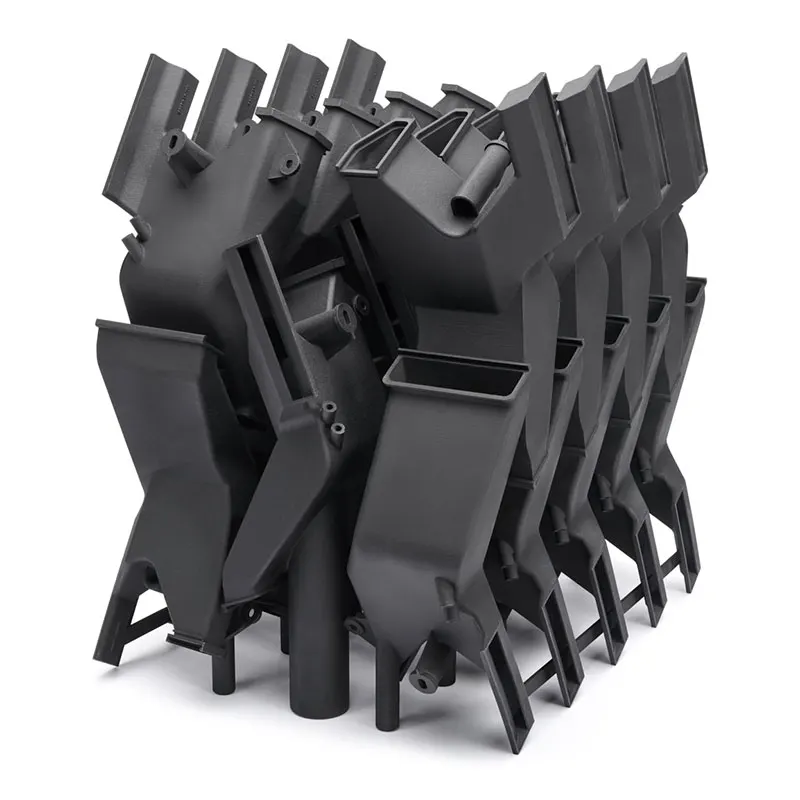
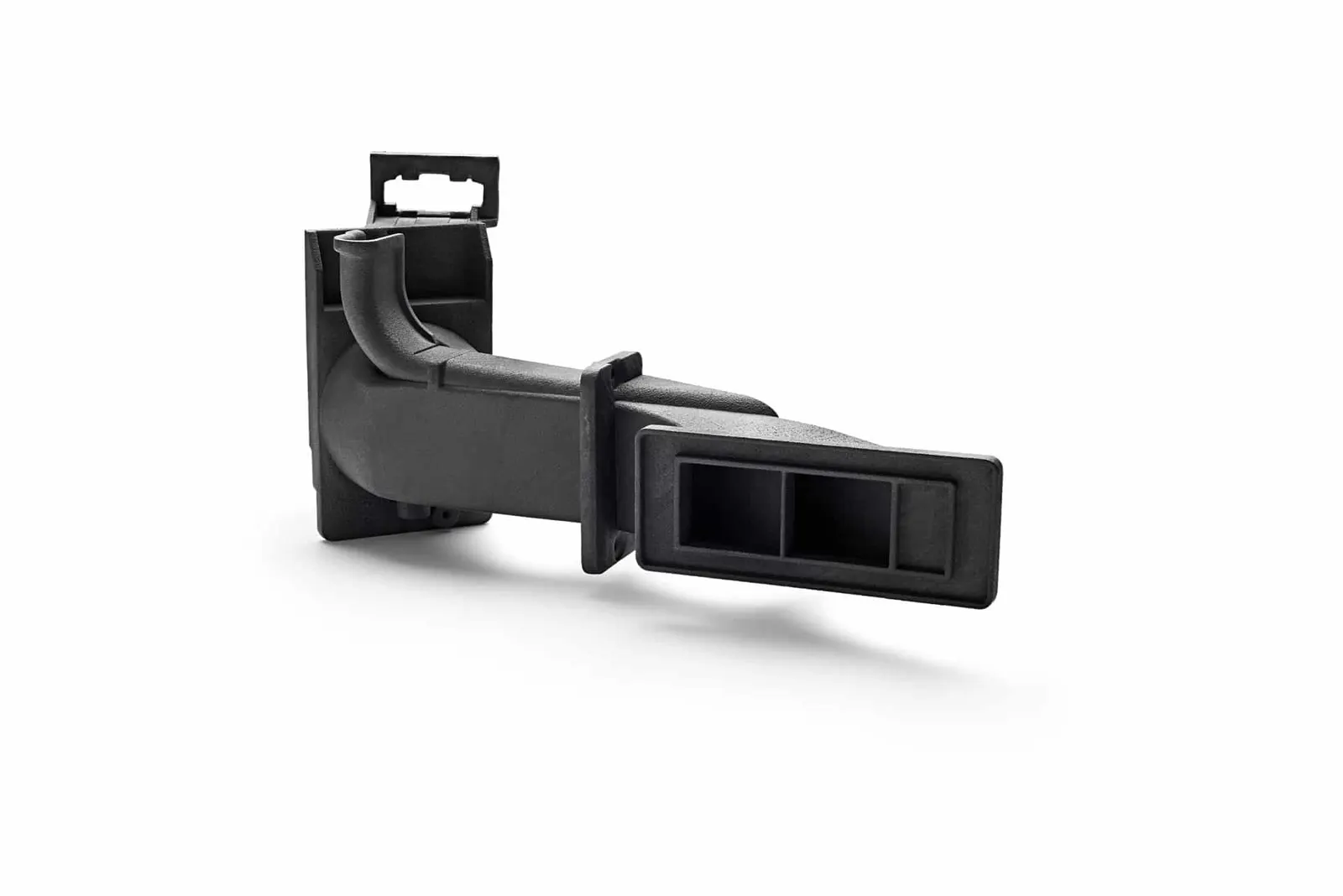
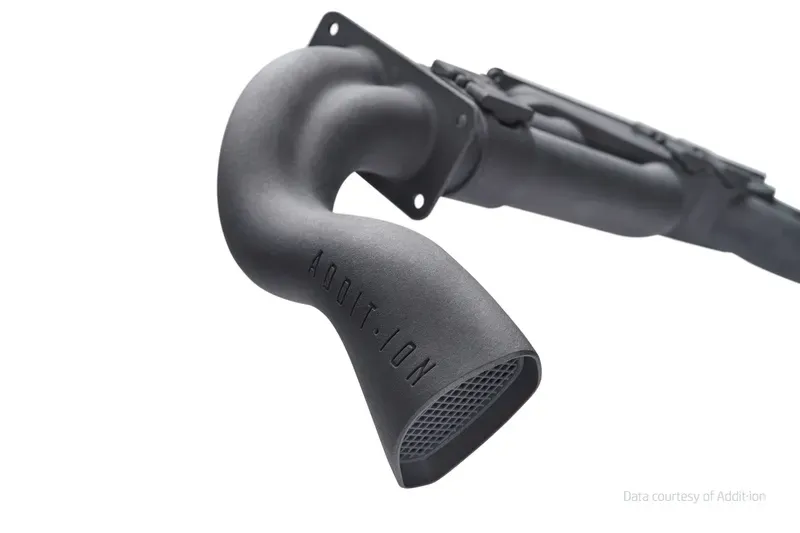 Air and fluid ductingPrinted hollow with no tooling and no minimum order. MJF nylon comes out watertight, so a duct or cooling pipe is one part rather than a moulded assembly.Read more
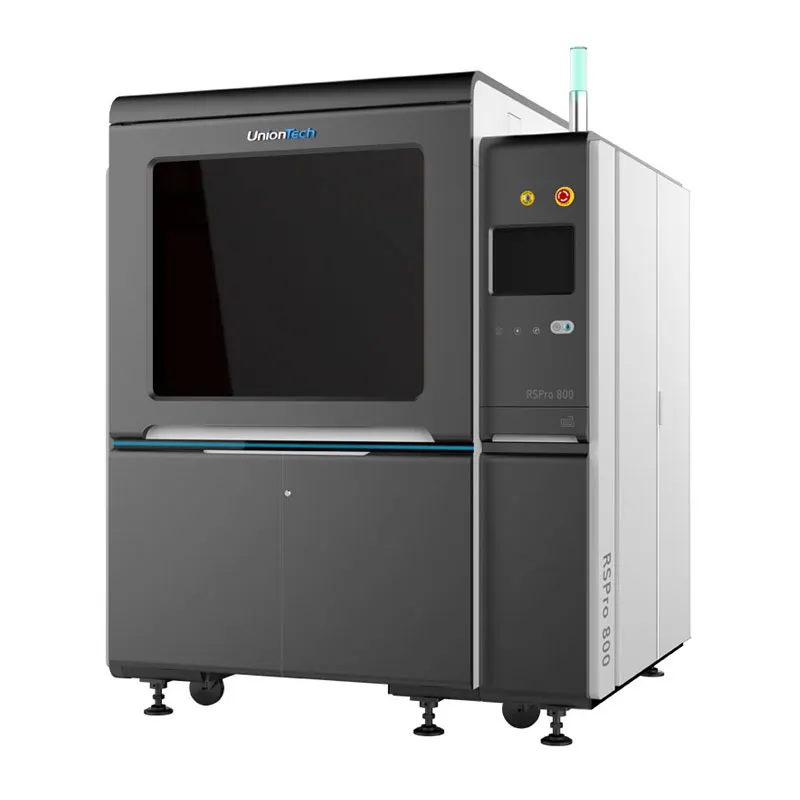
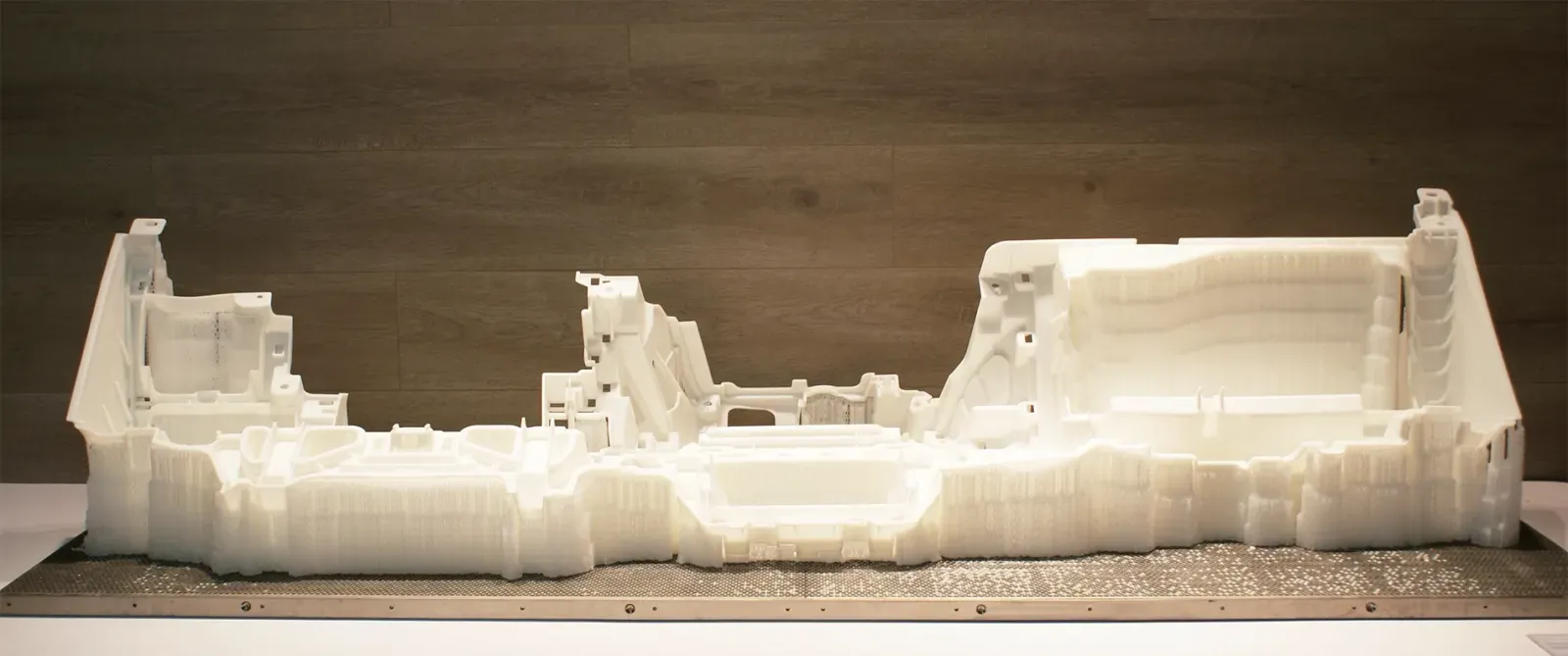
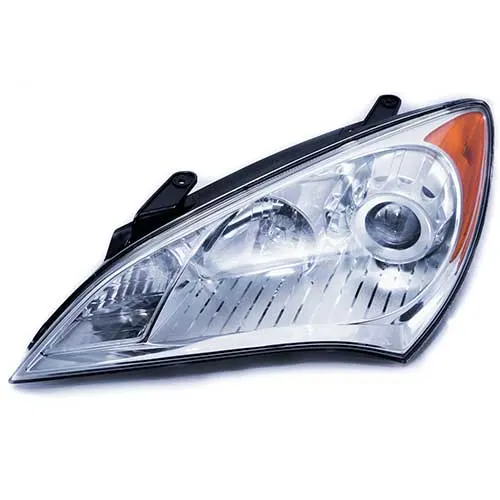
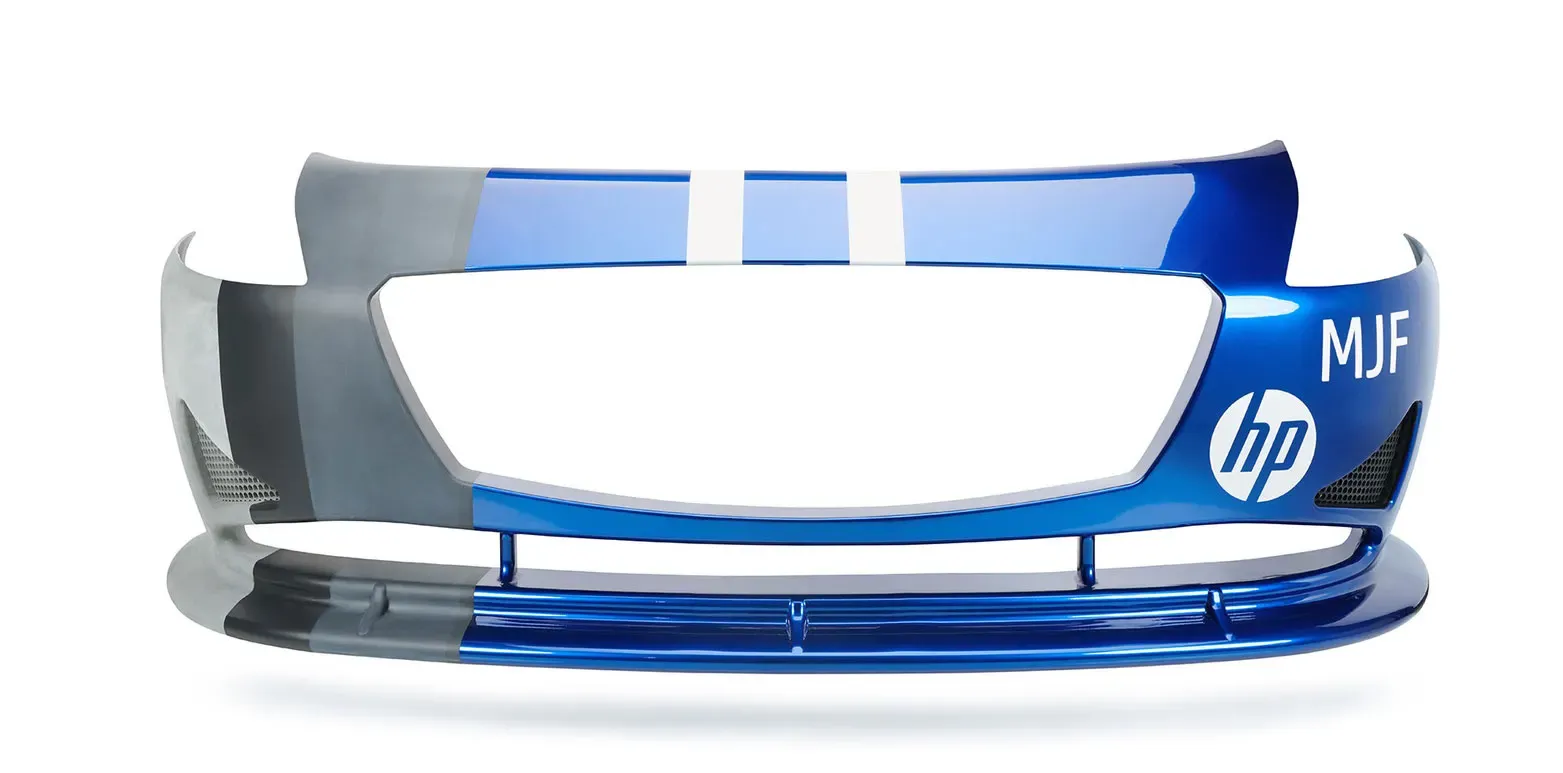 Bumpers, grilles and dashboards in one pieceLarge-format UnionTech SLA prints full-size automotive prototypes as single parts, so a styling or fit model is not glued together from sections.Read more
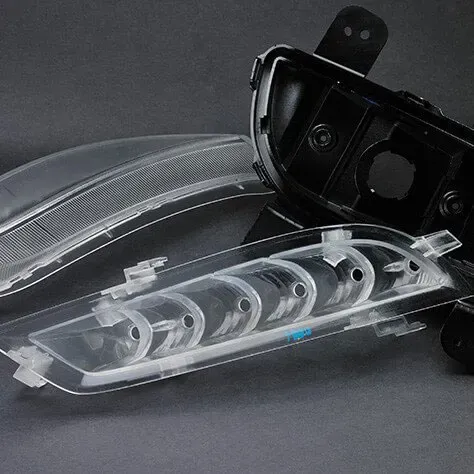 Lamps, lenses and clear partsClear SLA resin polishes close to transparent, for light guides, lenses and ducts you want to watch flow through.
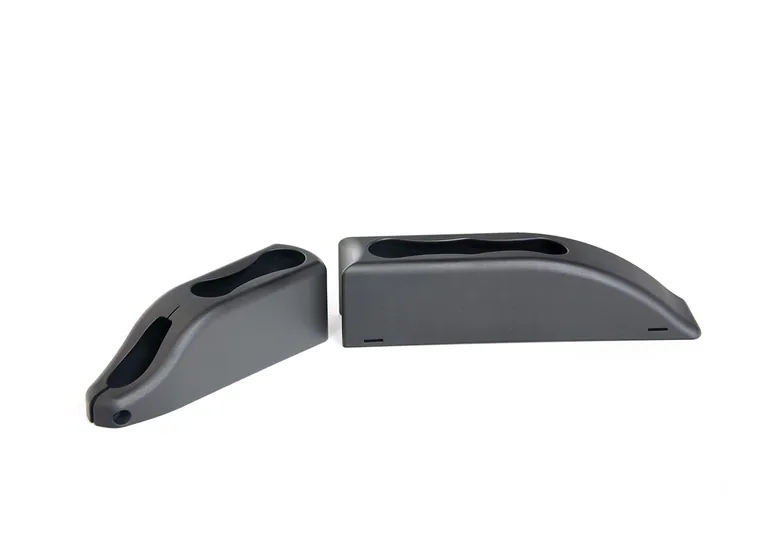
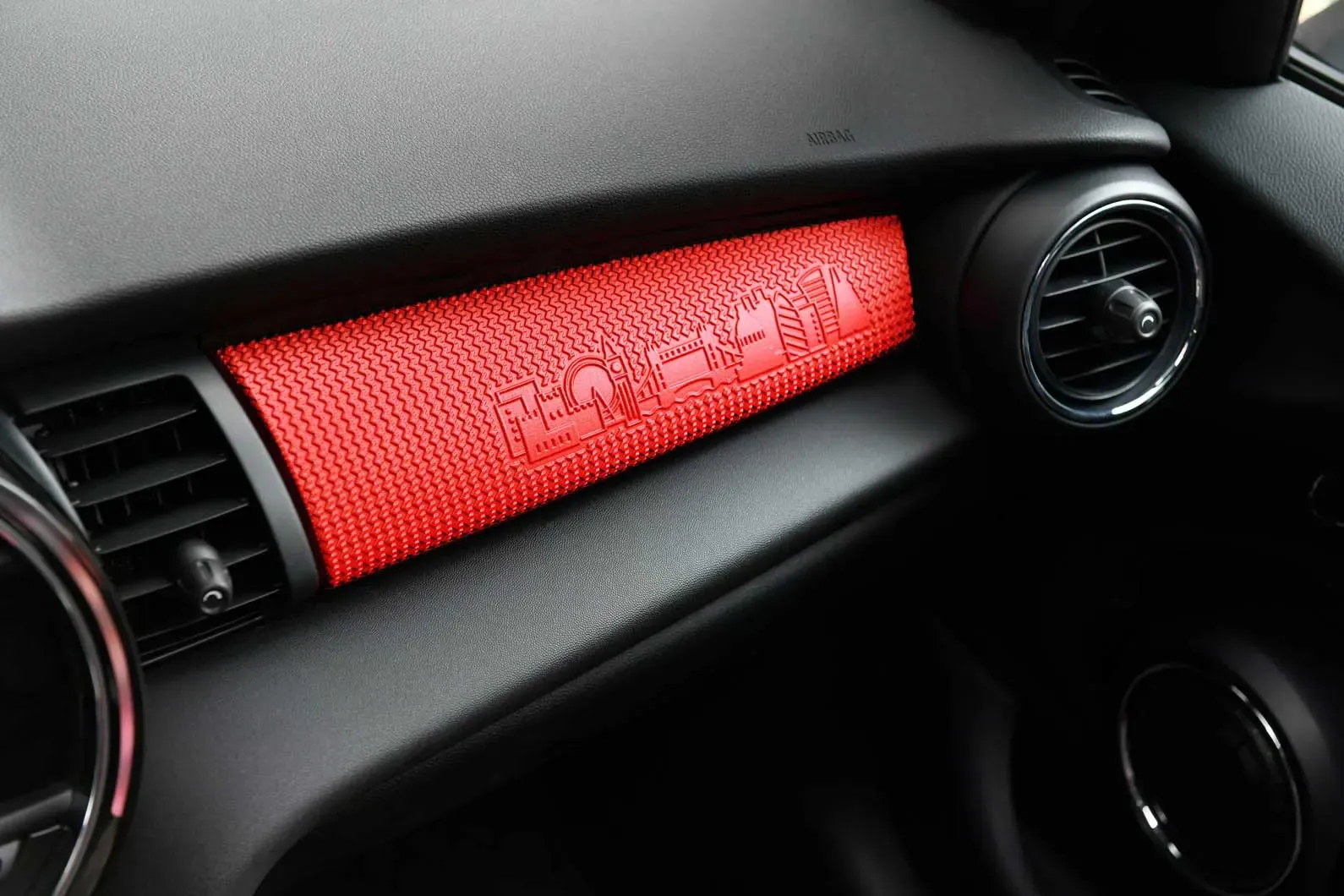 Personalised trimInterior trim, inlays and badges in numbers too small for an injection tool, each one different if it needs to be. Mini used HP Jet Fusion to offer exactly that to its customers.Read more
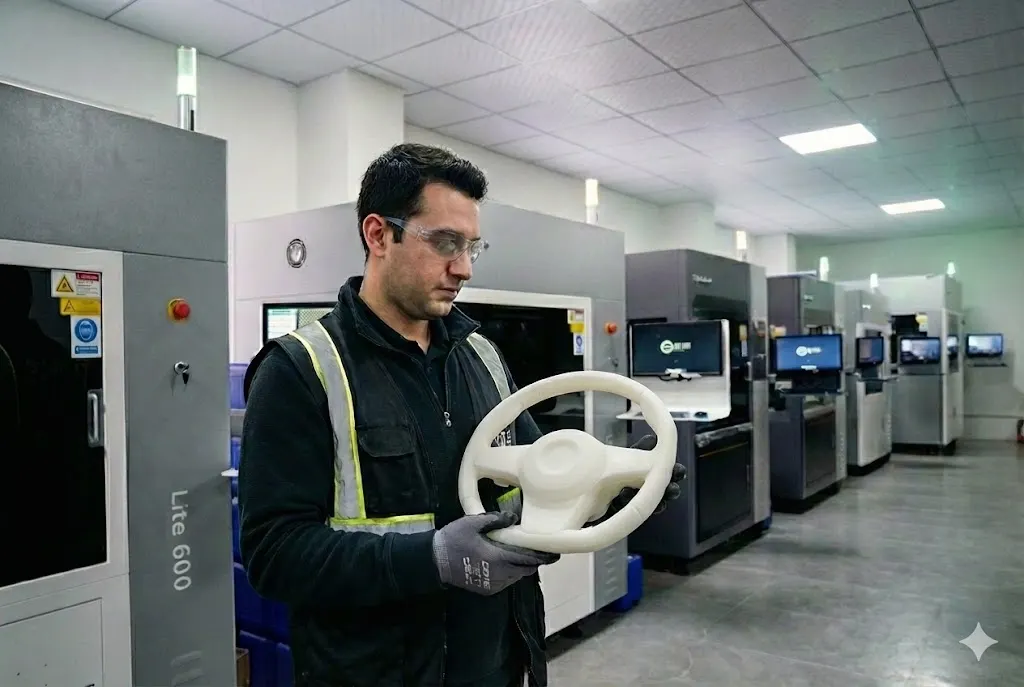
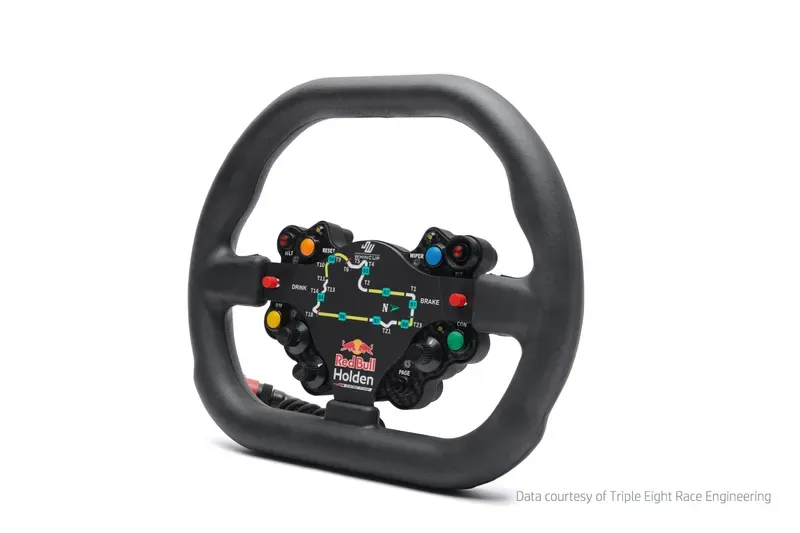 Moulds and tooling for motorsportA printed PA12 mould or fixture is ready in days. The next revision is a file edit. This steering wheel was moulded from a tool printed on an HP Jet Fusion 4200.Read more
MJF or SLA
Which process, part by part
Most automotive work goes on HP Multi Jet Fusion, because the parts come out equally strong in every direction and need no supports, so a bracket has no weak axis to design around. Where the surface matters more than the strength, it goes on SLA. This is how the decision usually falls.
| Part | Process | Material | Why that one |
|---|---|---|---|
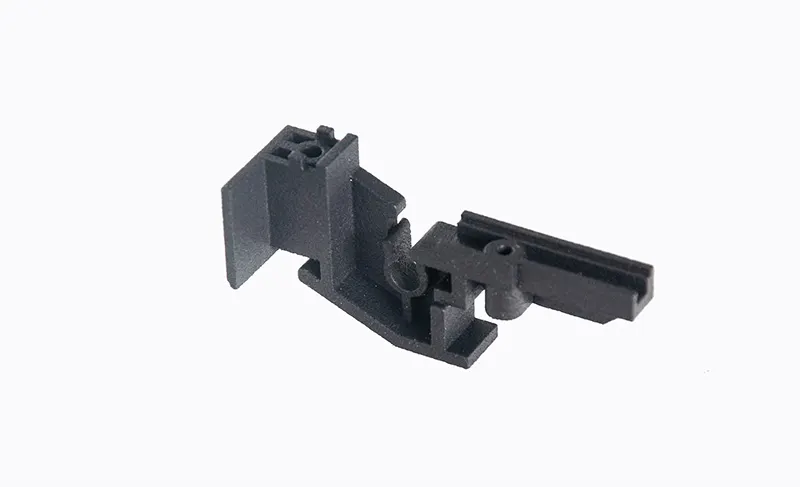
| Brackets and mounts | MJF | PA12 nylon | Isotropic in X, Y and Z, so orientation in the build does not weaken it. |
| Inspection jigs and assembly aids | MJF | PA12 nylon | Stiff enough to work with. A change is a file edit rather than a remake. |
| Ducting and cooling pipes | MJF | PA12 nylon | Watertight, printed hollow, no tooling and no minimum order. |
| Clips, catches and anything that flexes | MJF | PA11 nylon | Bends and comes back rather than cracking, with high elongation at break. |
| Styling and appearance models | SLA | Standard White resin | Smooth enough to sand and paint properly, up to 800 x 800 x 550 mm. |
| Parts near heat | SLA | High Temp 220D resin | Heat deflection up to 227 °C at 0.455 MPa after post-processing. |
| Short runs of trim and housings | MJF | PA12, dyed black | Many parts in one 12 hour build, with no injection tool to pay back. |
Running your own UnionTech SLA? Somos Taurus is the resin Stratasys list for under-bonnet automotive parts, with heat tolerance up to 90 °C after UV and thermal post-cure.
Cars we have put parts back on
Jobs we did ourselves, written up with the people we did them for.
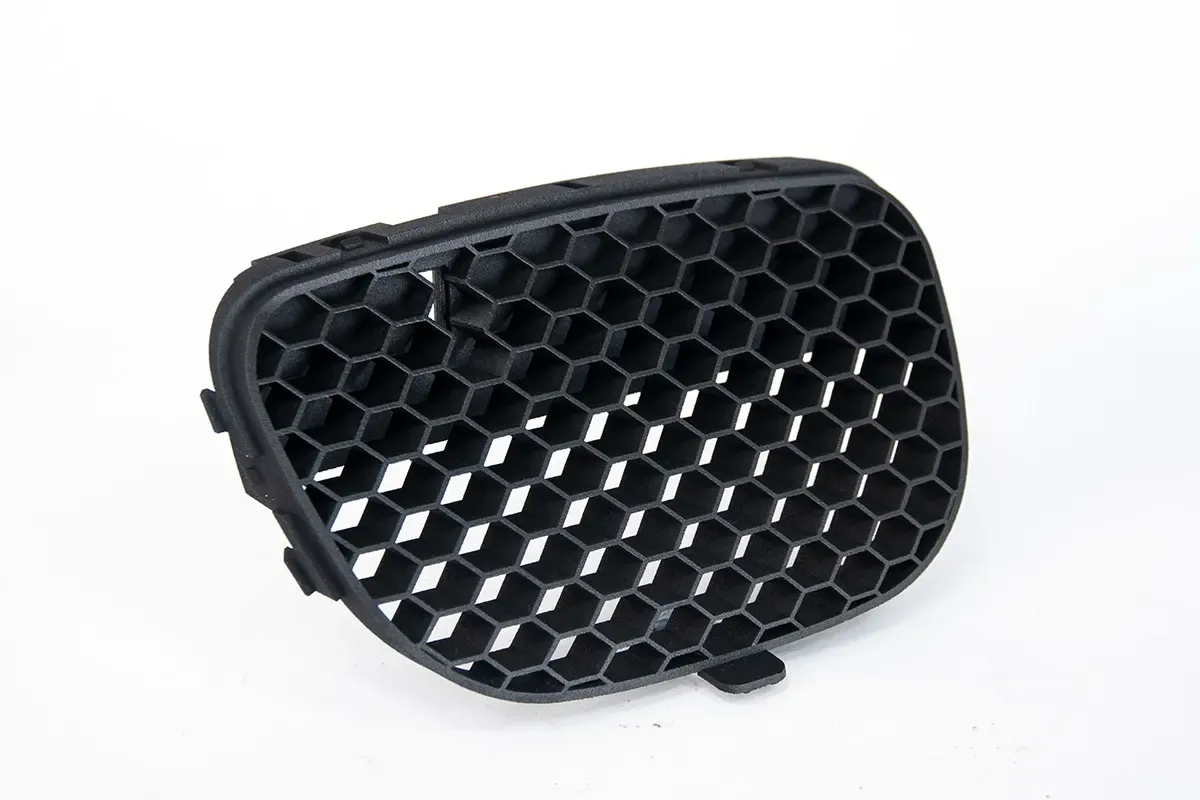 Case studySeat Leon Cupra R Mk1 grilleScanned from an original, modified to the customer’s request to replace the badge with honeycomb, then printed in PA12 with a matt black finish.Read the case study
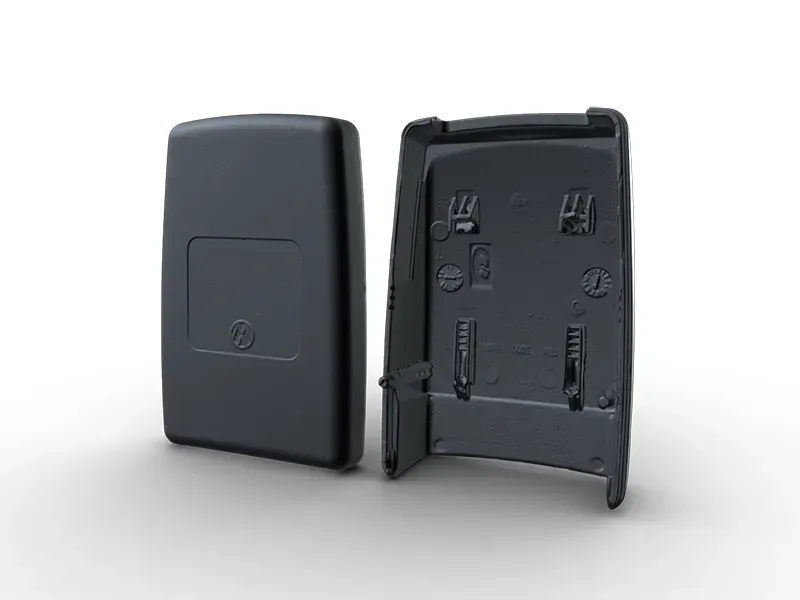 VW Transporter seat belt housingNo replacement was available from VW in the UK. A 20 minute scan, 25 minutes of processing, then a new cover printed in PA12.
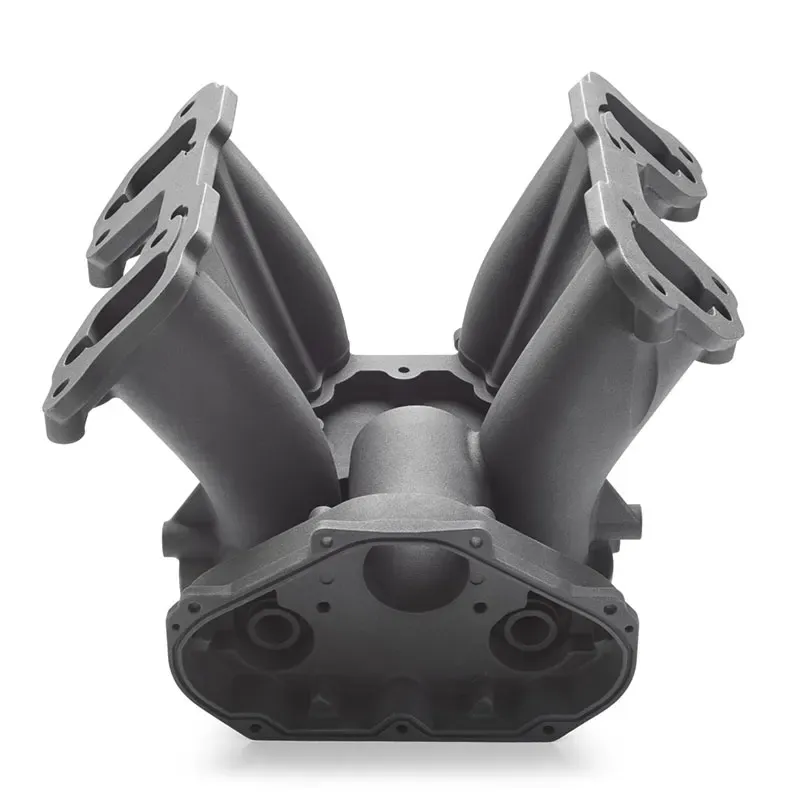 Pro2Pro and automotive rapid manufacturingA UK rapid manufacturing bureau chose an HP 4200 and DyeMansion depowdering from us to meet the deadlines the automotive industry sets.
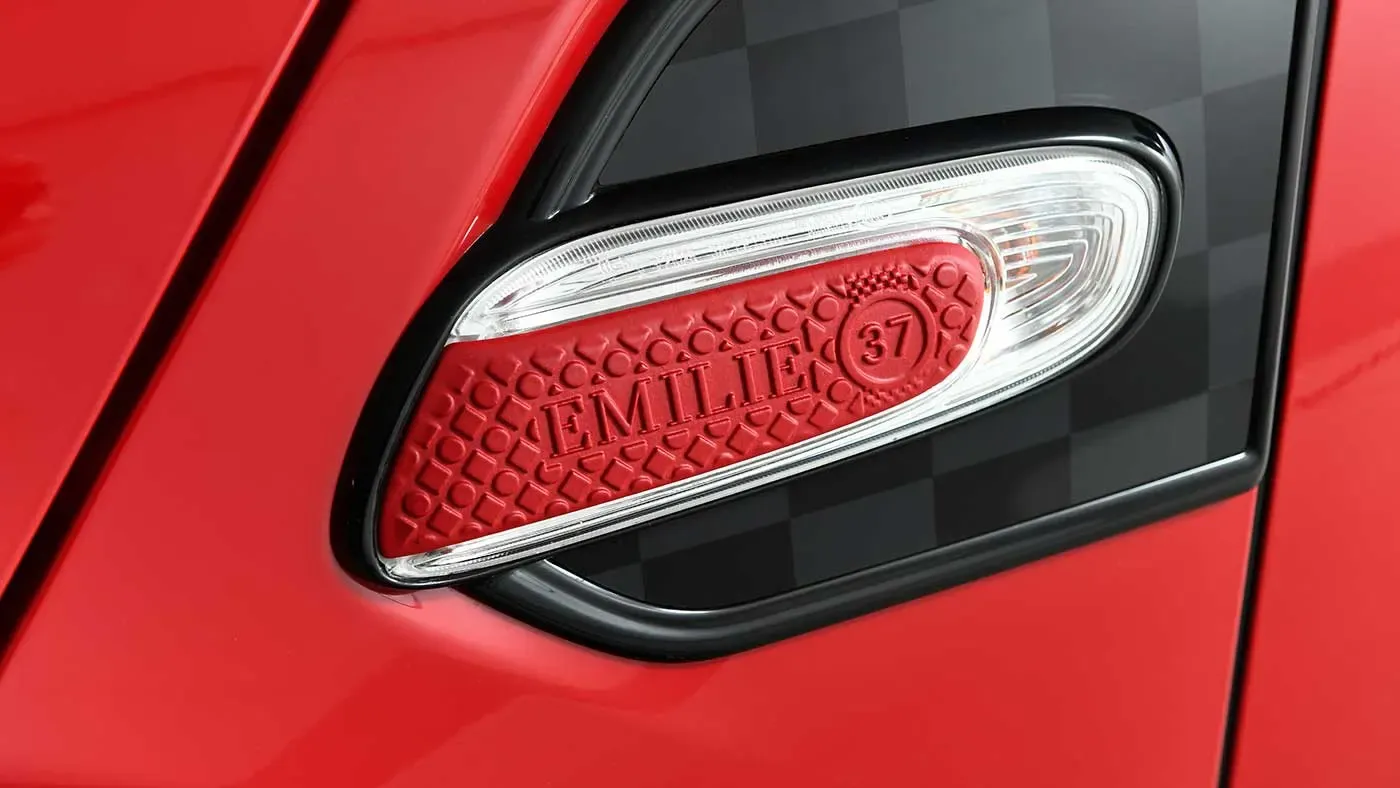 Mini personalisation on HP Jet FusionFrom our news: BMW Group runs HP Jet Fusion 4200 3D printers in Munich for customer-personalised Mini trim, each part put through the same crash and durability tests as any other.
Why printing, here
What makes automotive parts awkward to make
- 01
The volume never pays for the tool
Trim, brackets and test parts are needed in tens or hundreds. An injection tool for that number rarely pays back. The design often changes before it would.
- 02
The part is no longer made
The car still runs but the maker stopped supplying the grille, the cover or the clip. With no drawing, the only reference is the worn part itself.
- 03
Fixtures change with the model
Every model change or line adjustment means new checking fixtures plus assembly aids, usually in ones and twos, which is where machining is slowest.
- 04
Weeks matter in motorsport
A team can change a car radically between races. A bracket that takes a quarter to machine is no use to a car that races in a fortnight.
- 05
Heat under the bonnet
Parts near the engine or the battery have to hold their shape hot, which rules out standard resins and needs a material chosen for it.
What it is printed in
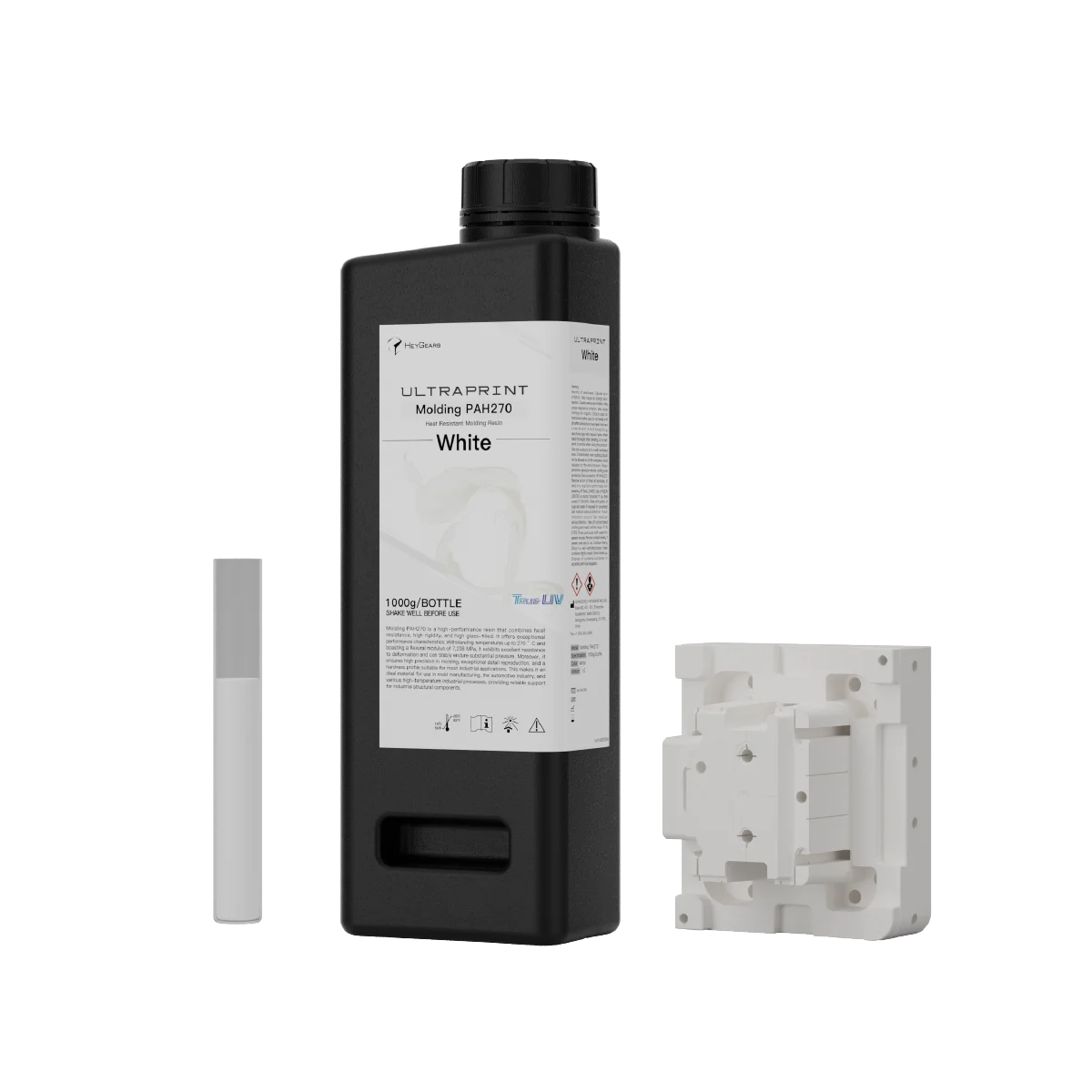
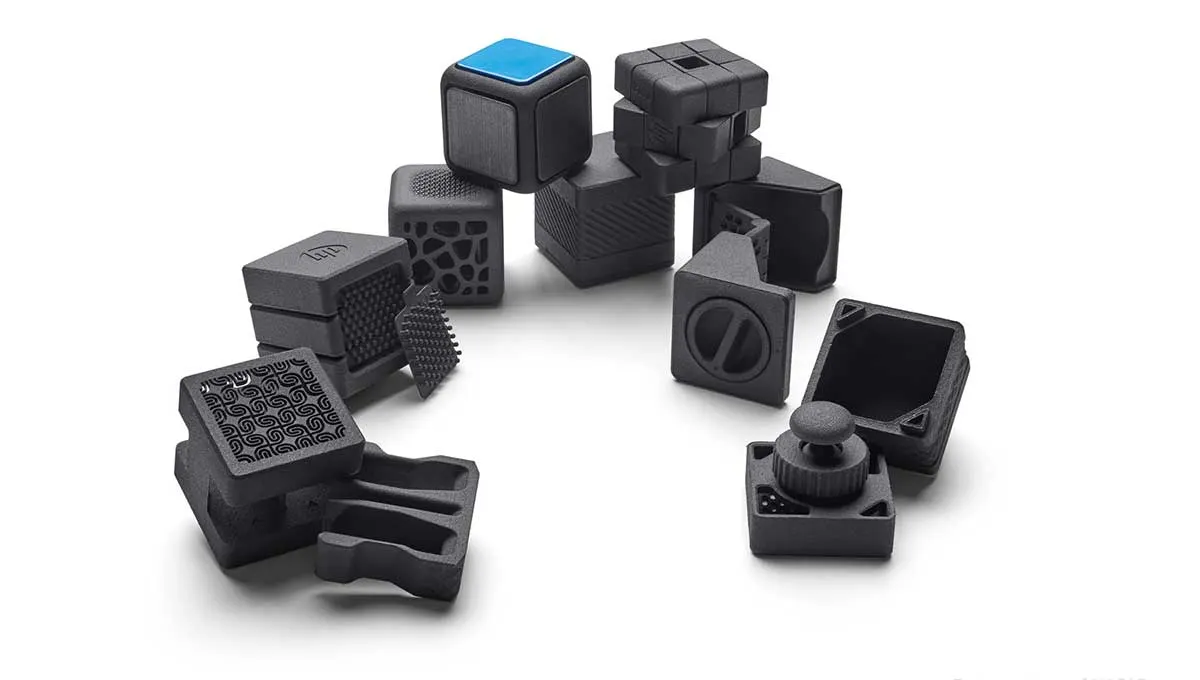
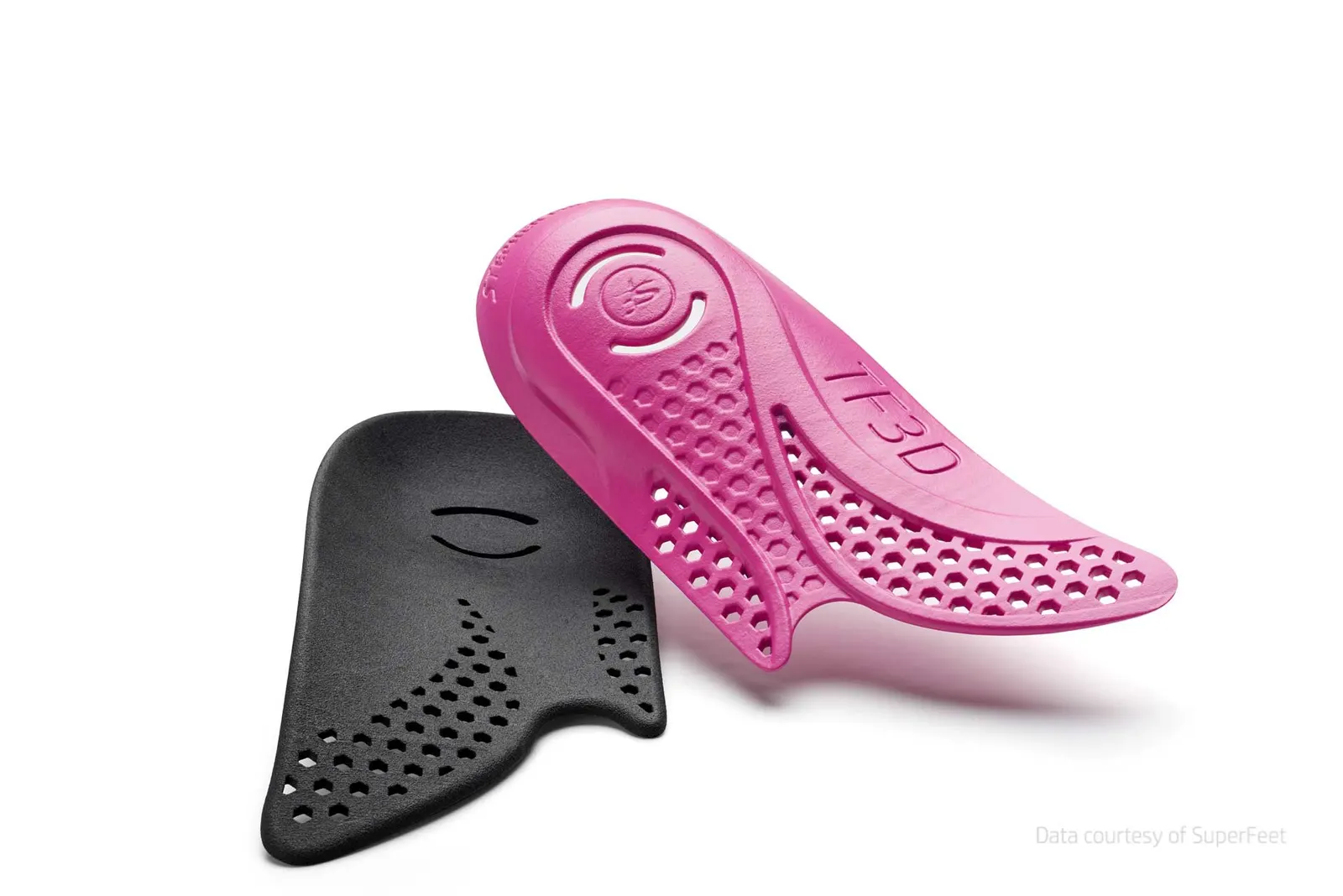
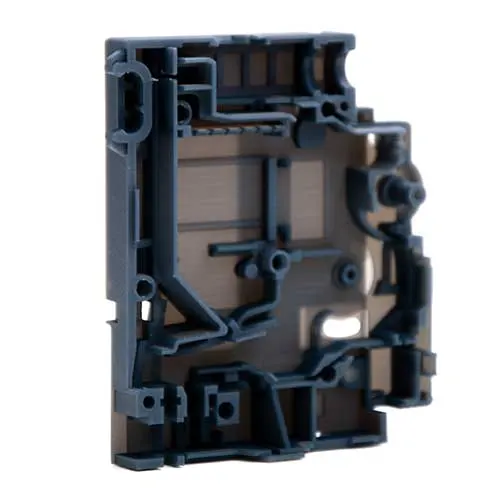
PA12 and PA11 are the bureau’s own MJF stock. Somos Taurus and WaterShed XC are resins we supply for UnionTech SLA machines.
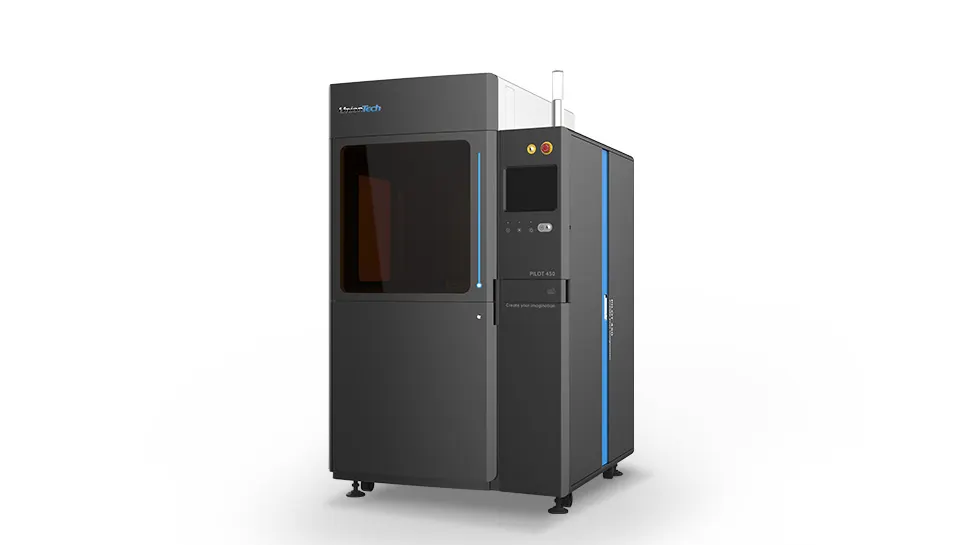
Bringing it in-house
Teams printing week in, week out usually stop sending work out and buy a machine. For large resin parts that means UnionTech SLA, up to a 2.1 m build.
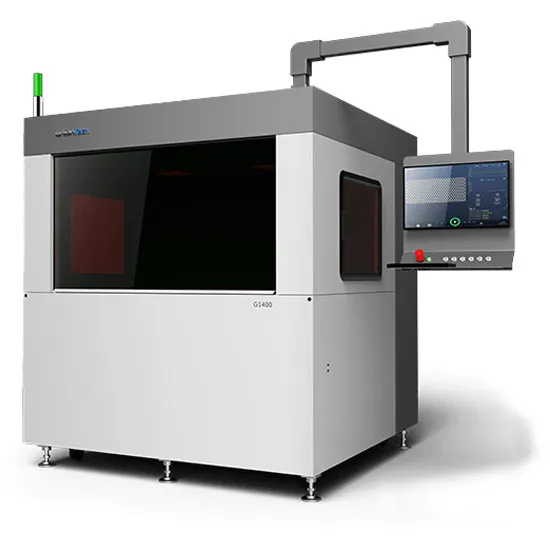
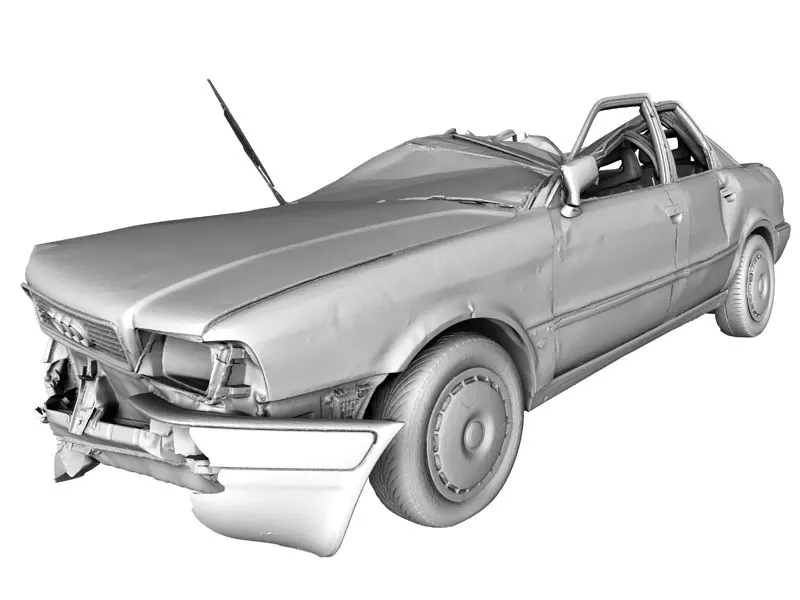
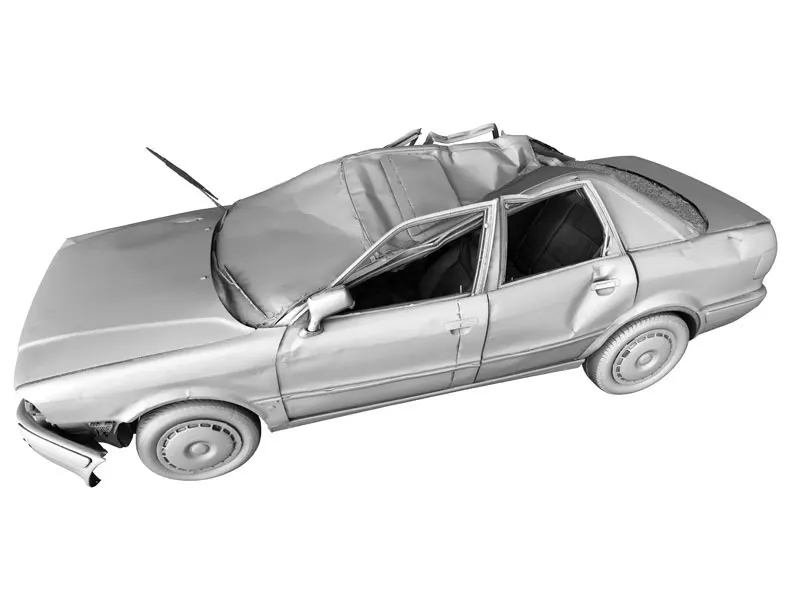
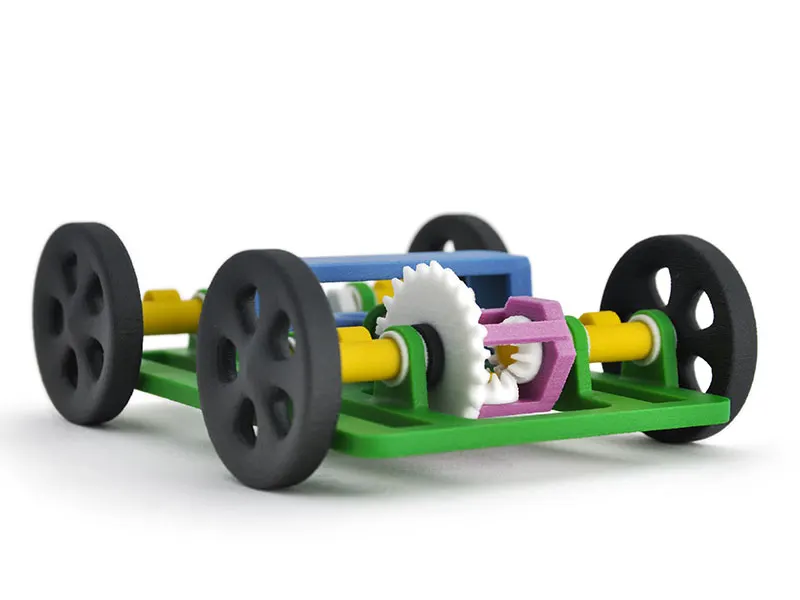
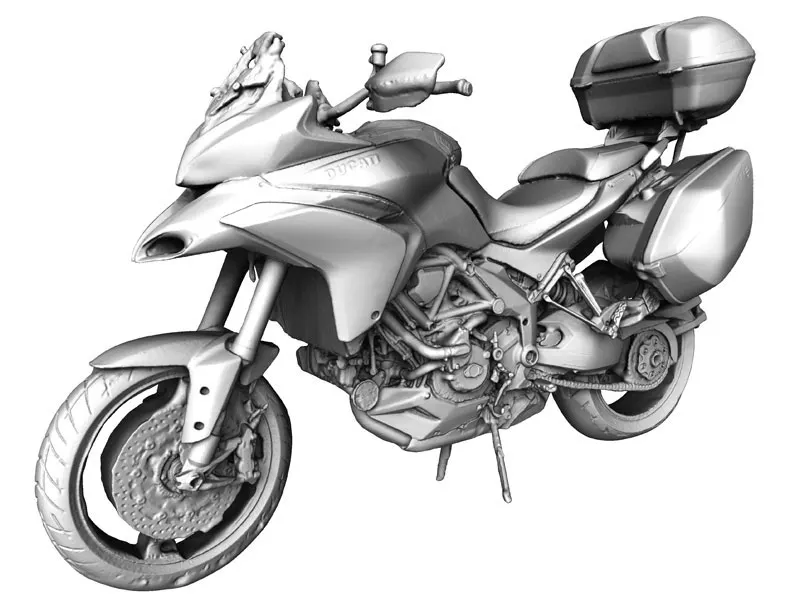
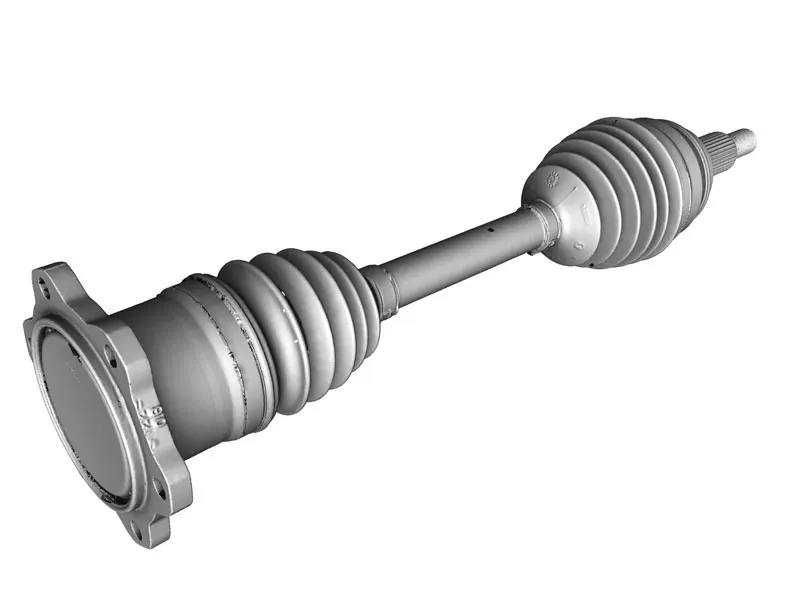
Vehicle work from our portfolio
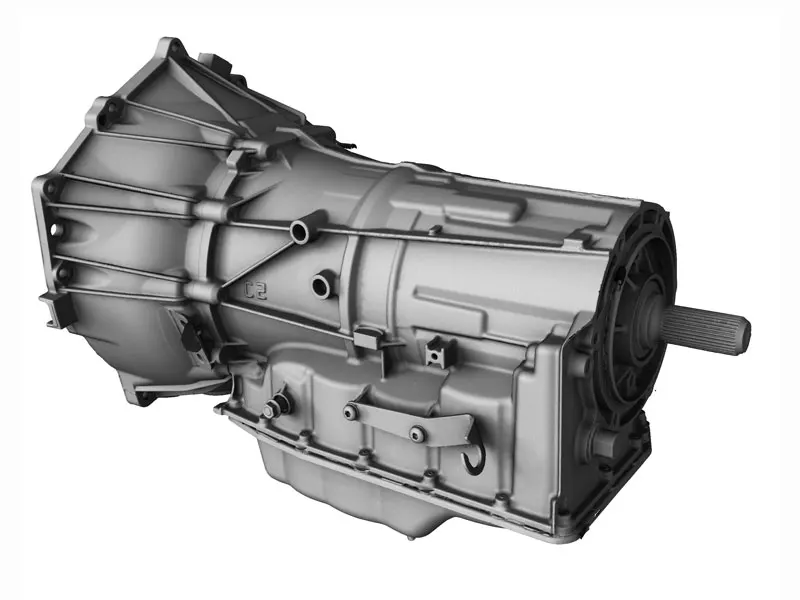
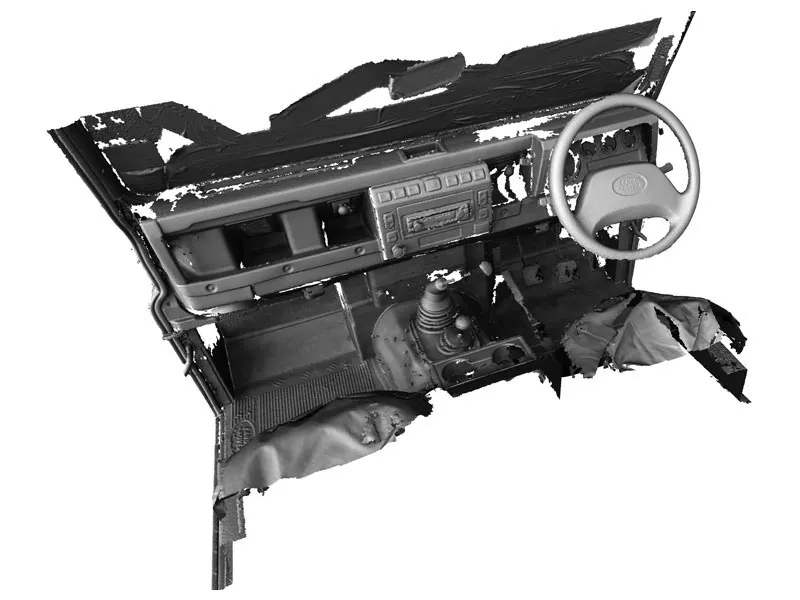
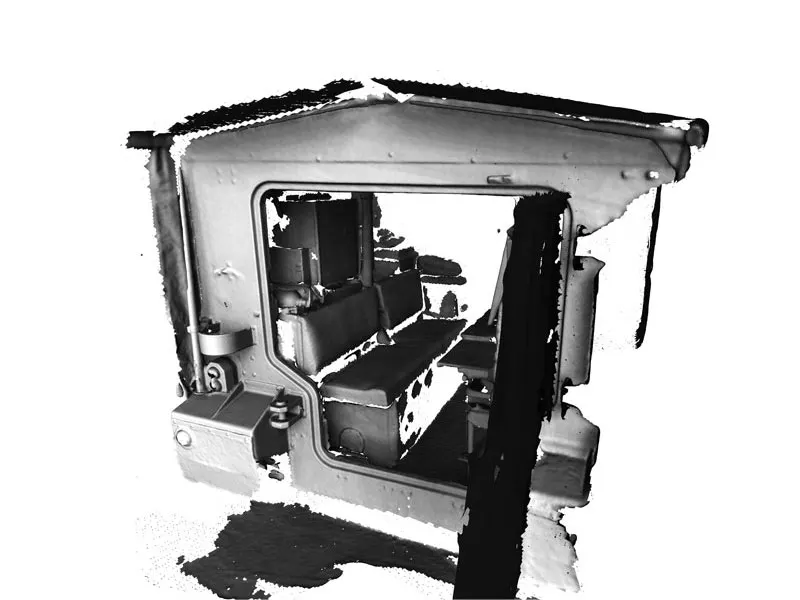
Photographed in our own lab, with the machine that did it.
What the work usually is
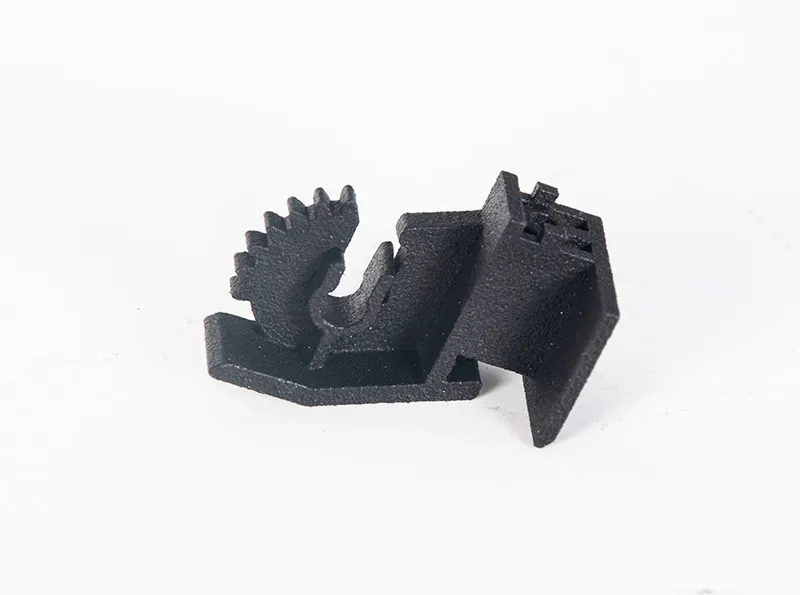 Spare & obsolete partsDiscontinued parts scanned from the original and printed back.
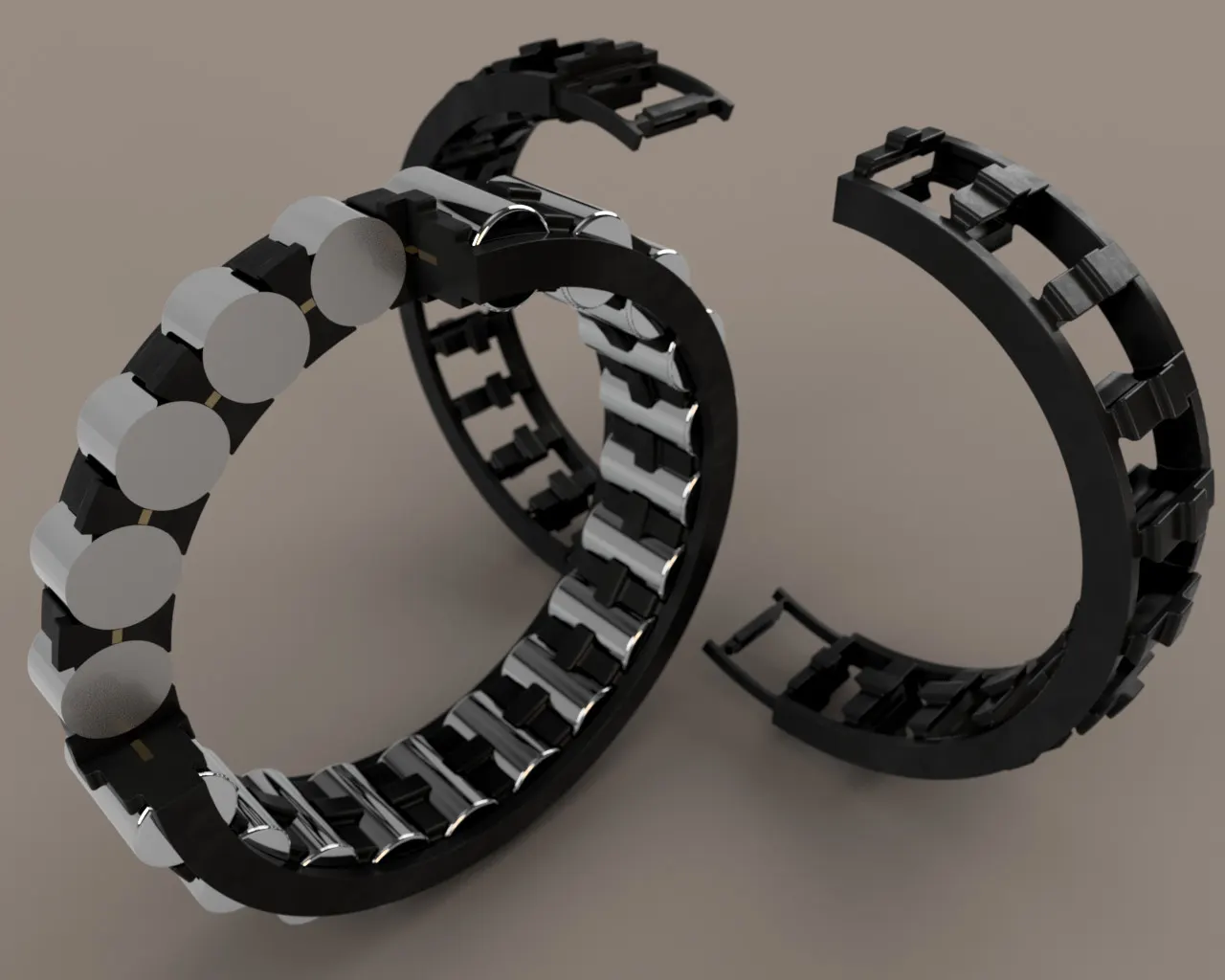
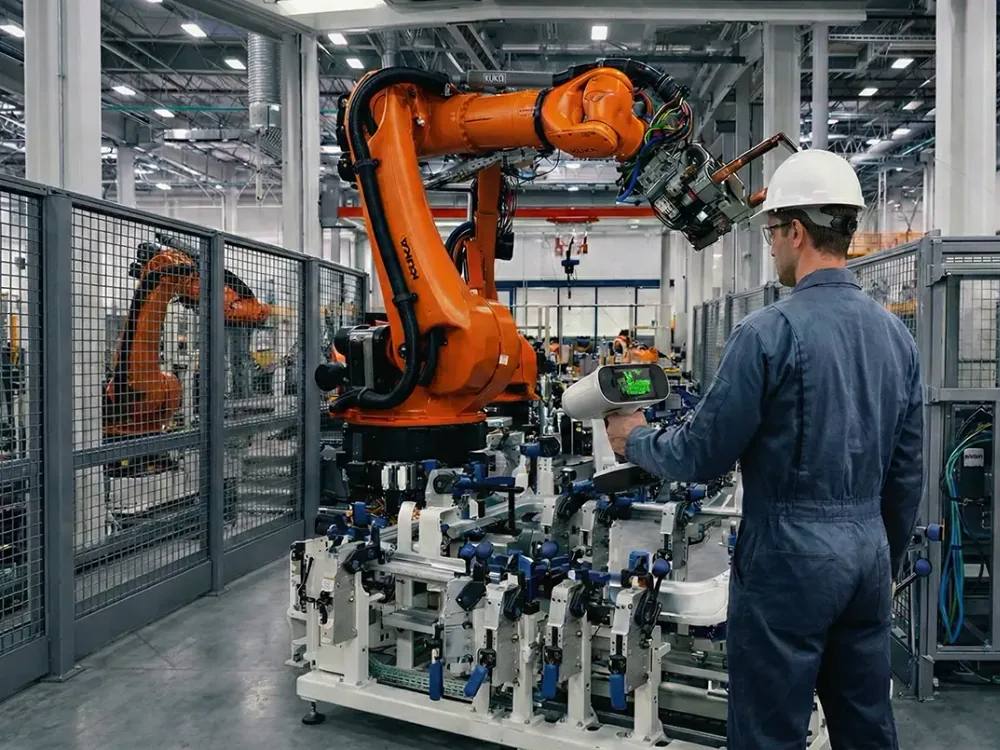 Jigs, fixtures & toolingThe parts that make the parts, at a fraction of the cost of machining.
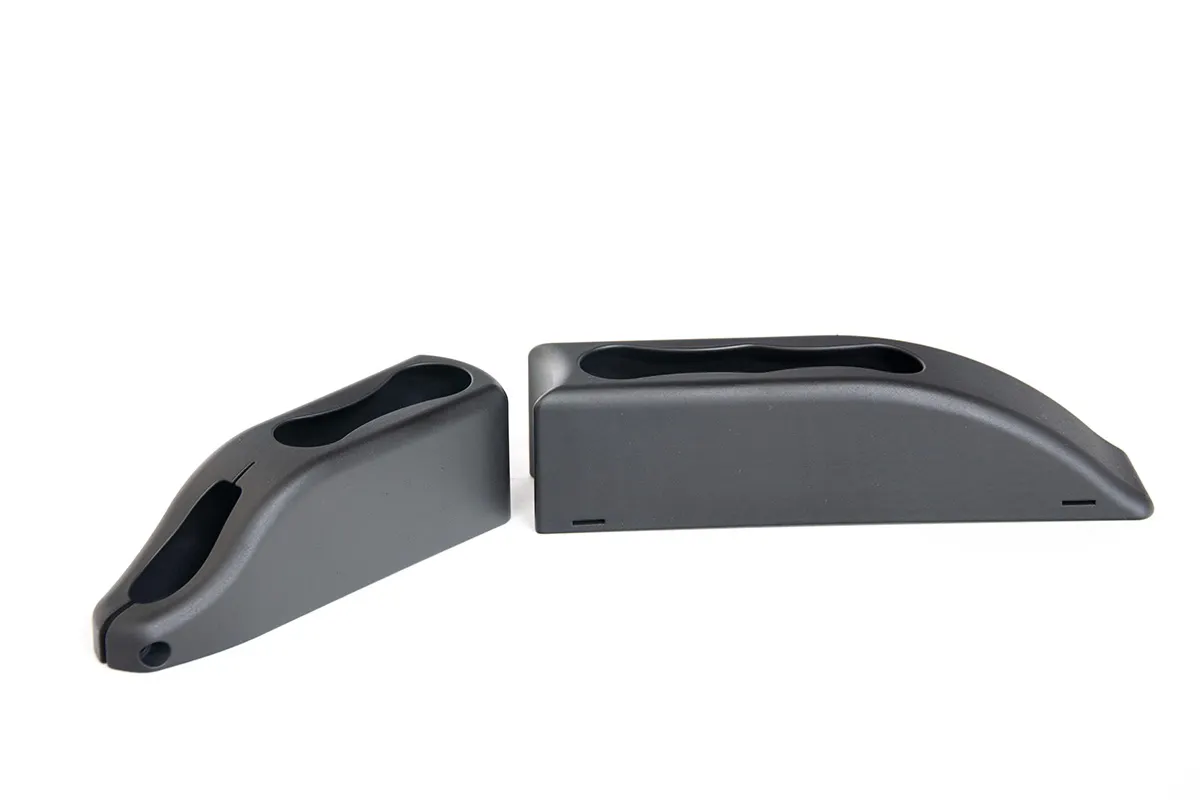 End-use partsShort production runs of finished parts, with no injection tool to pay for.
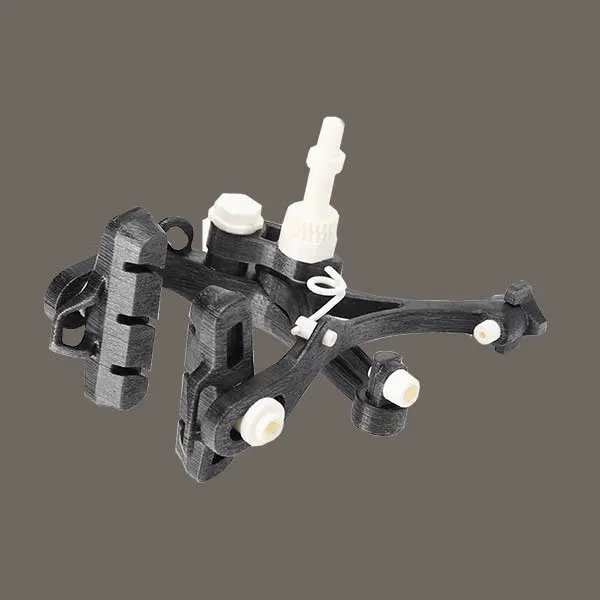 Rapid prototypingFunctional and visual prototypes, days after the CAD is finished.
Questions we get asked
Something else? Ring 0330 229 0175 and an engineer will answer it.
Not answered here?
Ask the engineers who run the machines. We answer the same working day.
Can you reproduce a car part that is no longer available?
Usually, yes. We scan the original, rebuild it as clean CAD with the wear taken out, then print it, usually in PA12 nylon. Once the model exists, the next one is just another print. Safety-critical parts such as braking, steering and load-bearing parts are not suitable.
Which process do you use for brackets, jigs and other functional parts?
HP Multi Jet Fusion in PA12 nylon. The parts come out equally strong in every direction and need no supports, so there is no weak axis to design around.
When is SLA the better choice for an automotive part?
When the surface matters more than the strength: styling and appearance models, large single-piece prototypes such as bumpers or dashboards, plus clear parts for lenses or flow visualisation.
How big a part can you print?
MJF nylon up to 380 x 380 x 284 mm. Standard White SLA resin up to 800 x 800 x 550 mm. High Temp 220D up to 600 x 600 x 400 mm.
How quickly can I have parts?
Raw grey MJF parts have a 4 to 6 day lead time. Dyed black takes 5 to 7 days, vibro smoothed 6 to 8 days, dyed and smoothed 7 to 9 days. SLA parts are from 7 days.
Can you print a low-volume run of trim?
Yes. Many parts fit in one 12 hour MJF build. Each one can be different, so short runs and personalised parts do not need an injection tool.
Send us the part, or the file
Tell us what it fits and what it has to survive. Someone who prints these every week will tell you whether printing is the right answer, including when it is not.