.svg)
ApplicationsJigs, fixtures & tooling
Jigs, fixtures and tooling
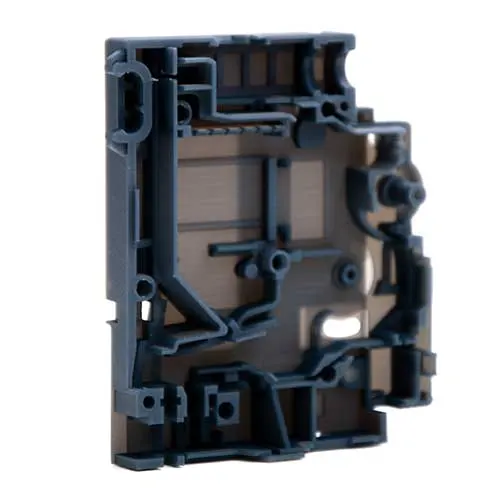
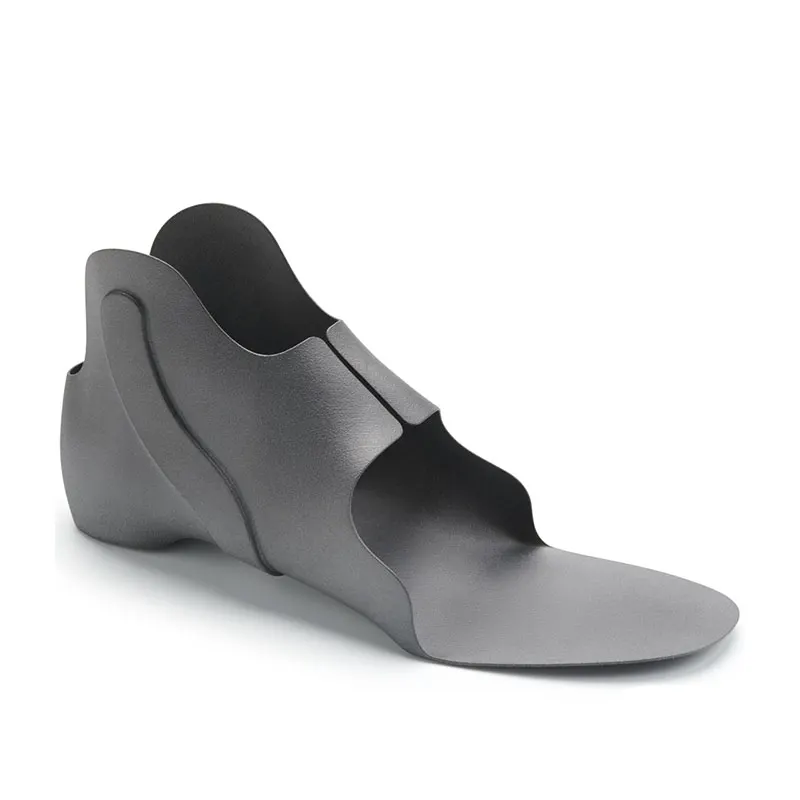
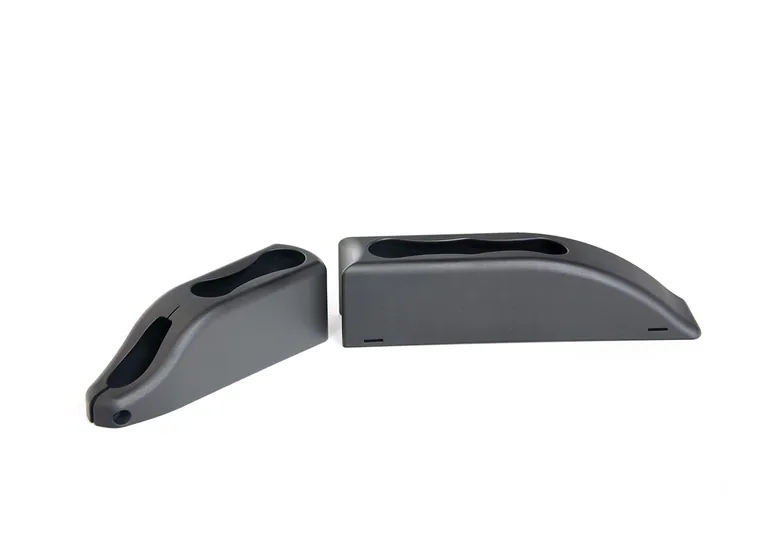
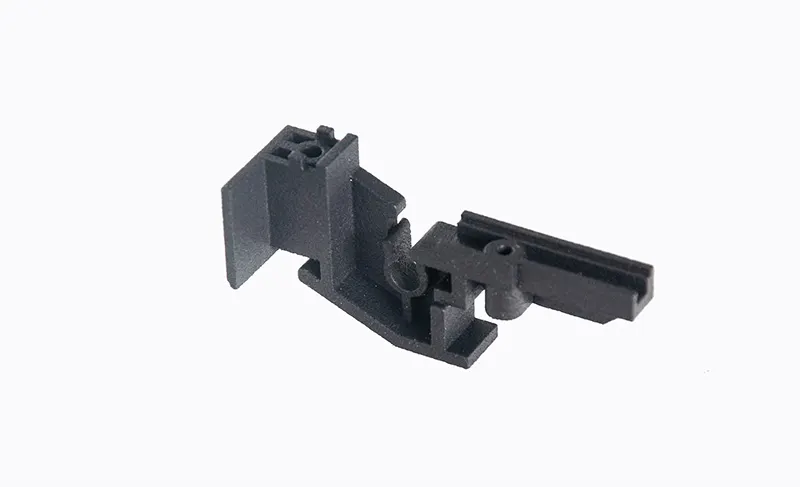
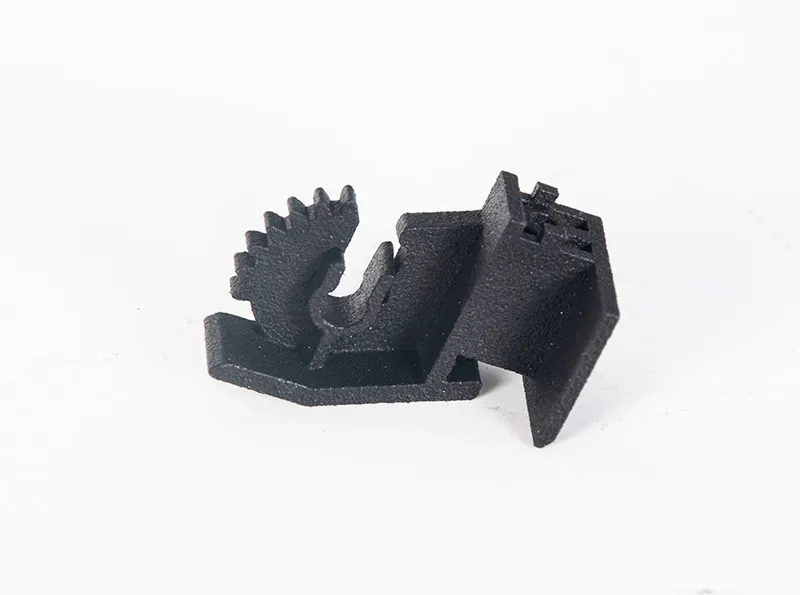
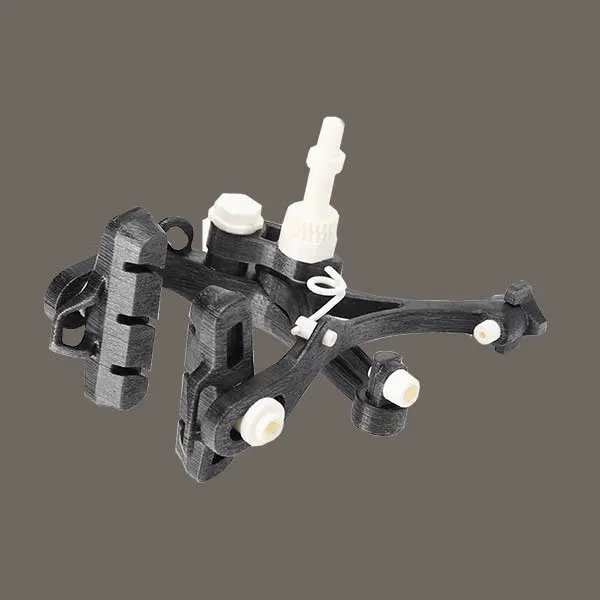
Workholding, checking fixtures, assembly aids and end-of-arm tooling. They are printed rather than machined, then redesigned as fast as the line changes. Nylon for anything that takes load, high-temperature resin for anything that gets hot.
What it is
The parts that make the parts, at a fraction of the cost of machining.
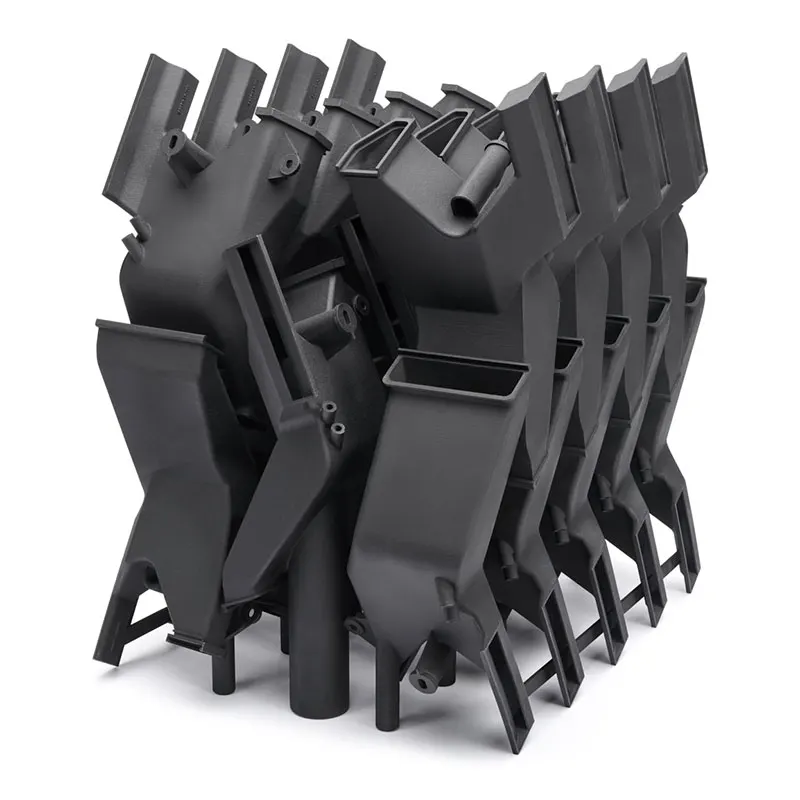
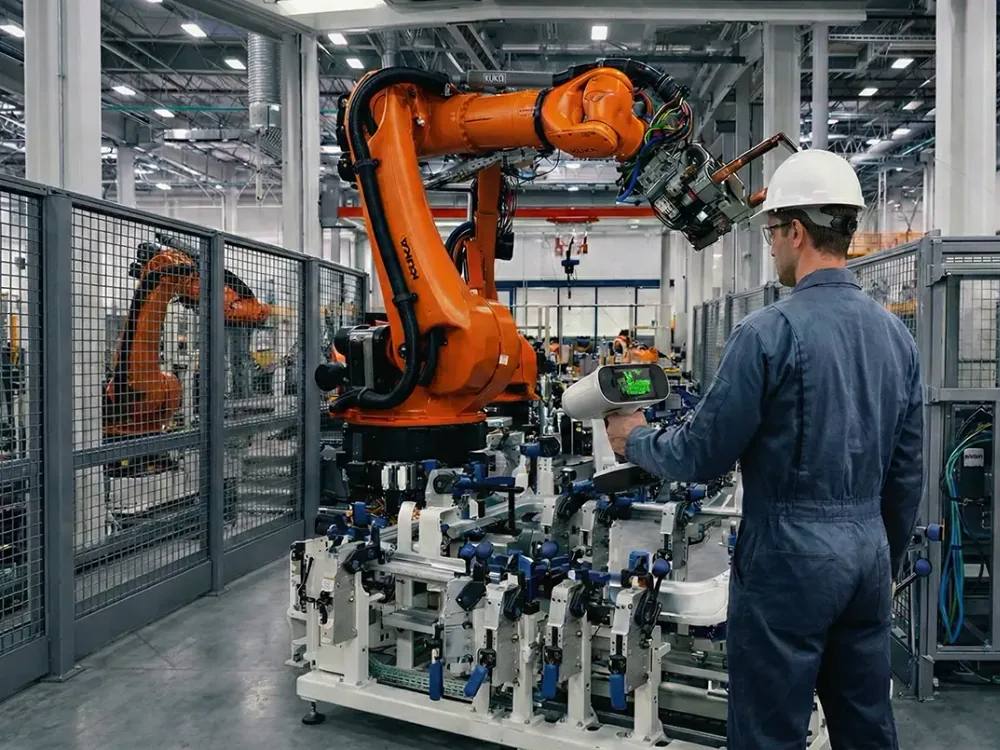
Manufacturing aids are the parts that make the parts: jigs that guide a tool, fixtures that hold a workpiece, checking gauges, soft jaws and robot grippers. They are usually made in ones and twos. That is exactly where machining is slow and expensive.
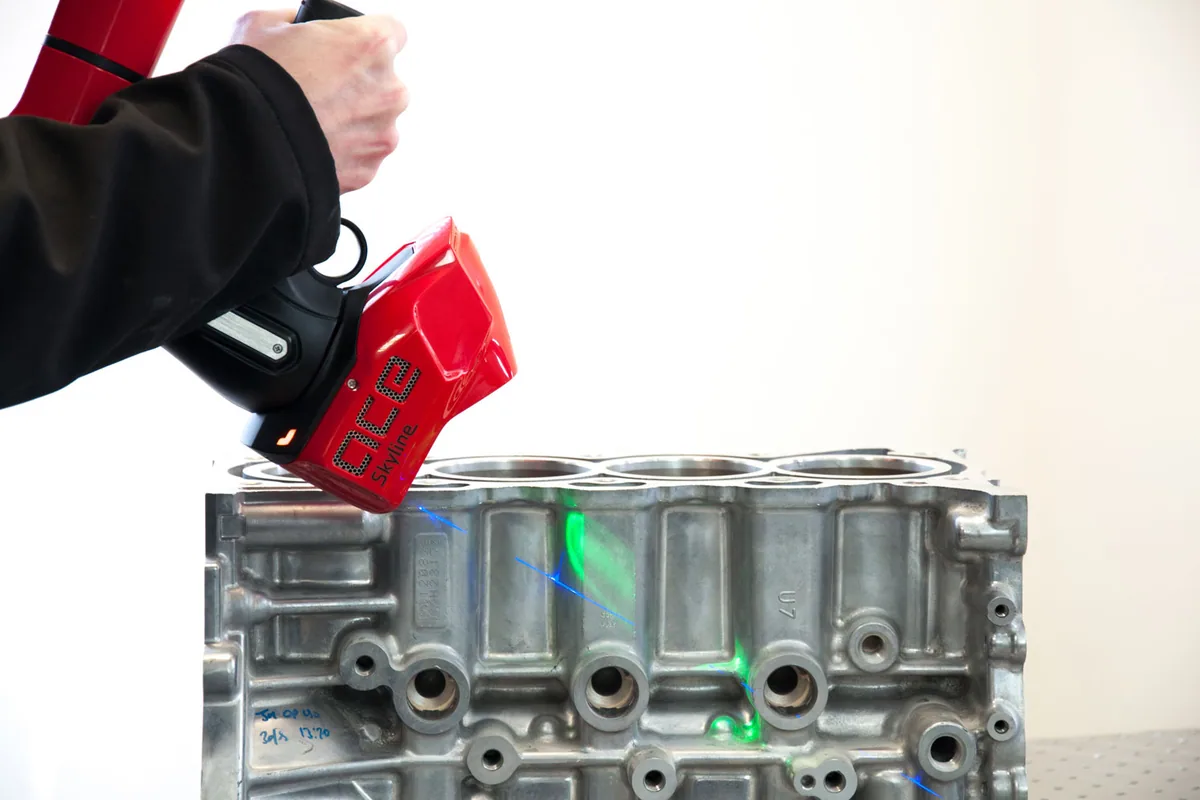
A printed fixture costs a fraction of a machined one and can be redesigned on Tuesday for Wednesday. For load-bearing work that means MJF nylon. For anything hot, a high-temperature SLA resin. Where there is no drawing of the old fixture, we scan it and print from the scan, in the same building.
Why print it
What additive changes about this job, against machining, moulding and waiting.
- 01
A fraction of the cost
A printed fixture costs a fraction of a machined one. Changes are a file edit rather than a remake.
- 02
Delay the hard tooling
Printing covers temporary fixtures, assembly aids, jigs and soft tooling while the process settles.
- 03
Lighter on the robot
End-of-arm tooling and soft jaws can be printed light, so the robot can move faster.
- 04
Stable under heat
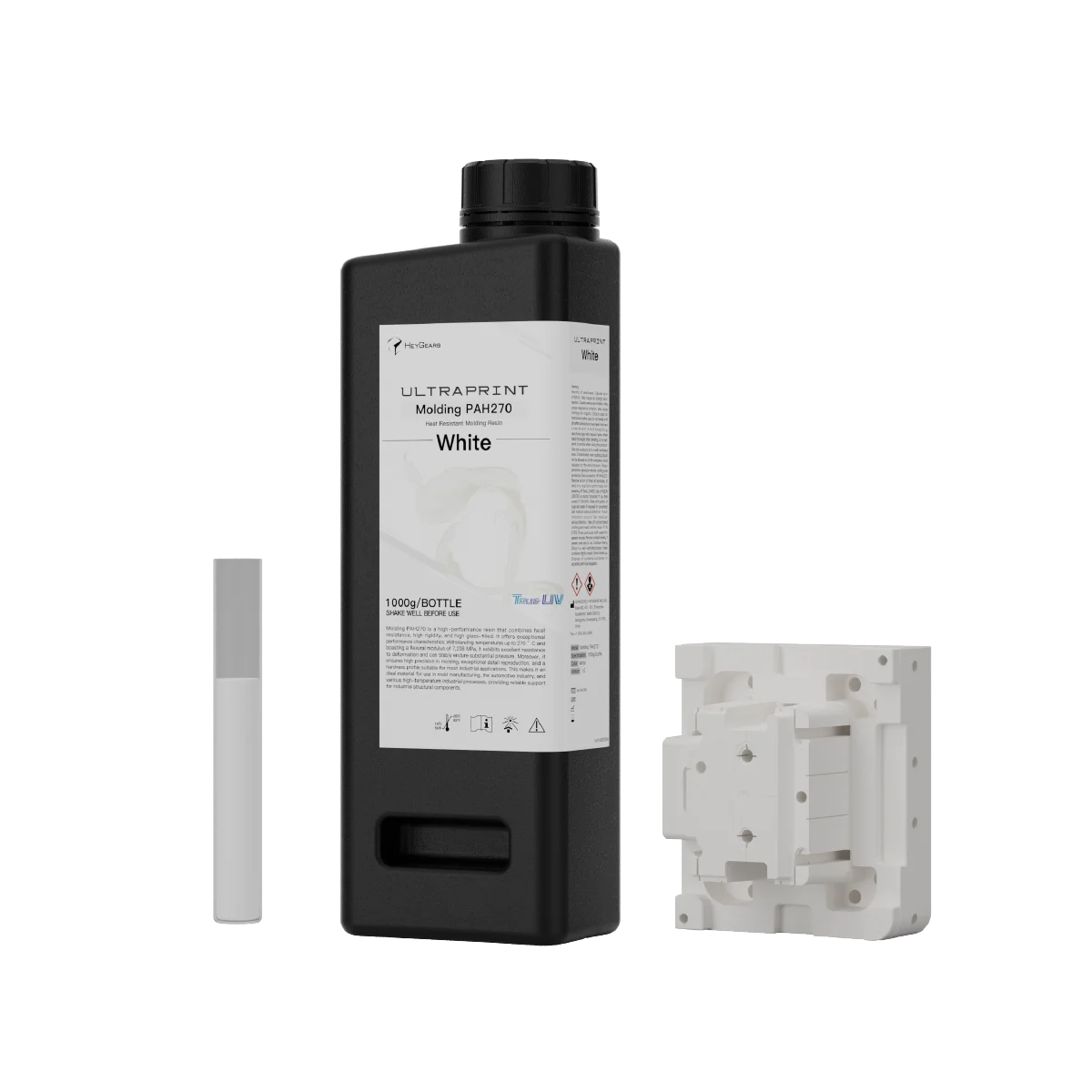
High-temperature SLA resin stays stiff and holds its shape where a fixture sits near heat.
What it is printed in
Materials whose makers list this job, from our library. Compare the resins we sell online
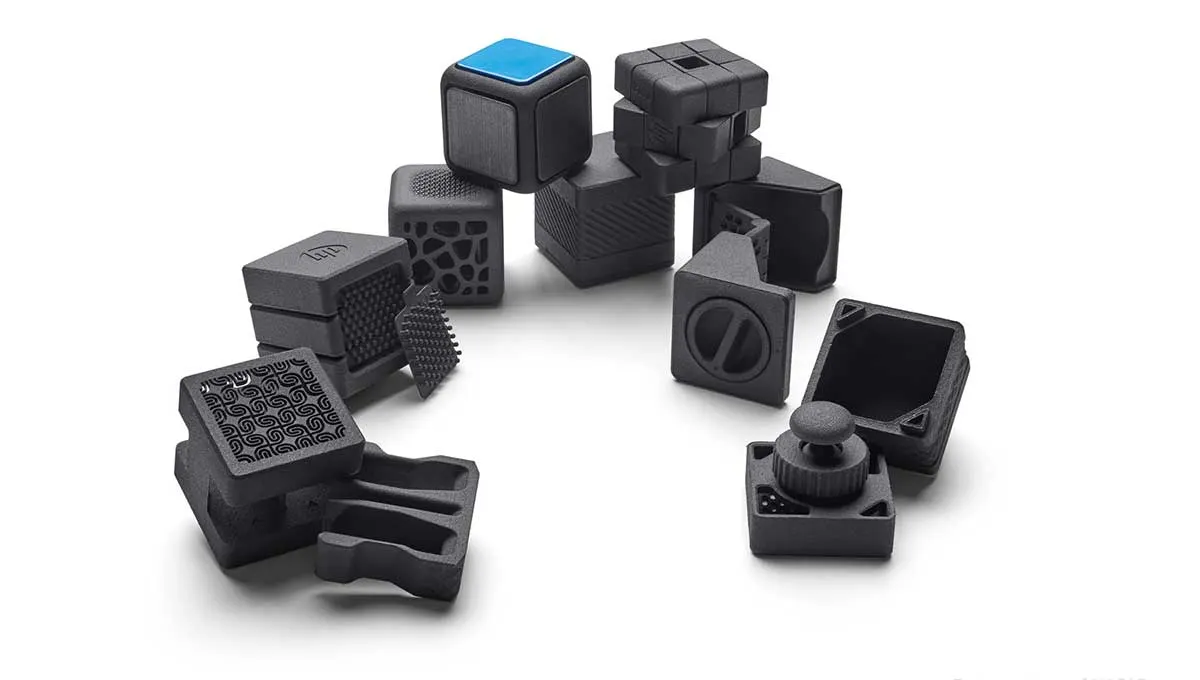
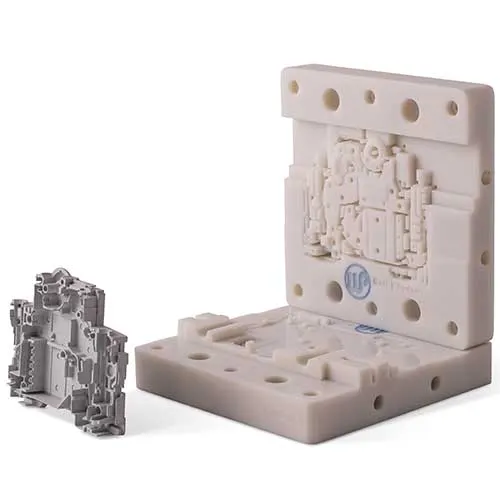
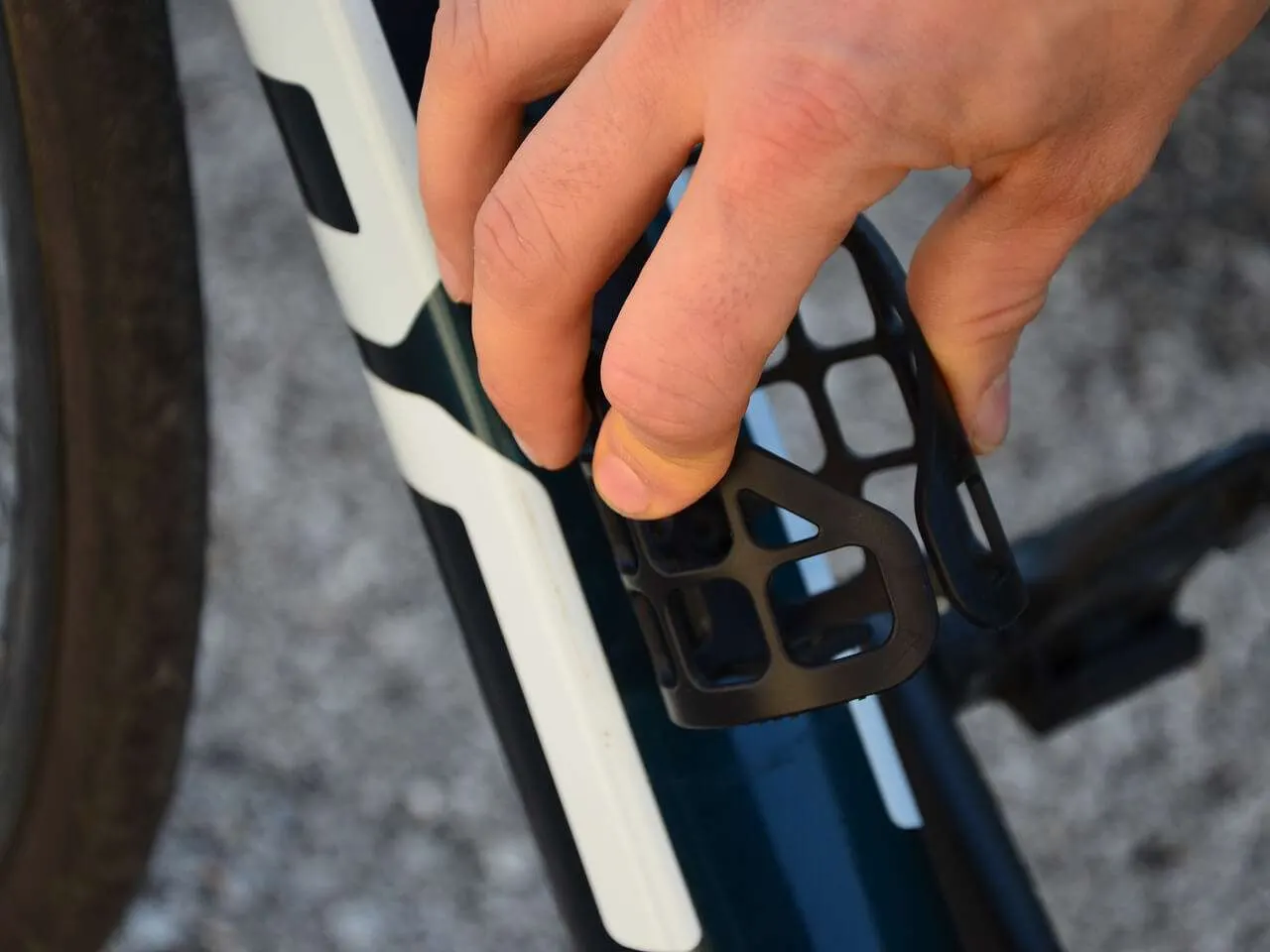
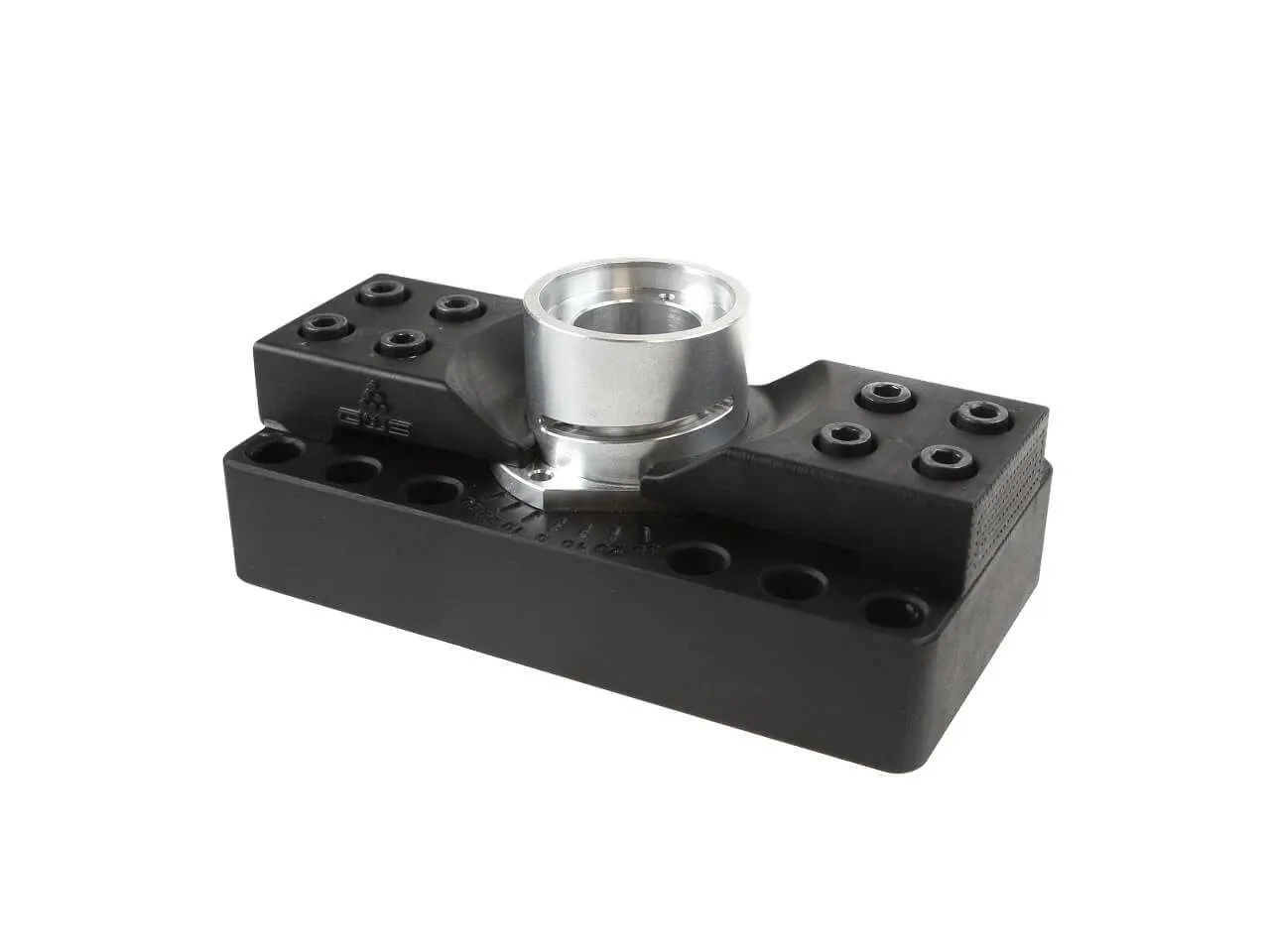
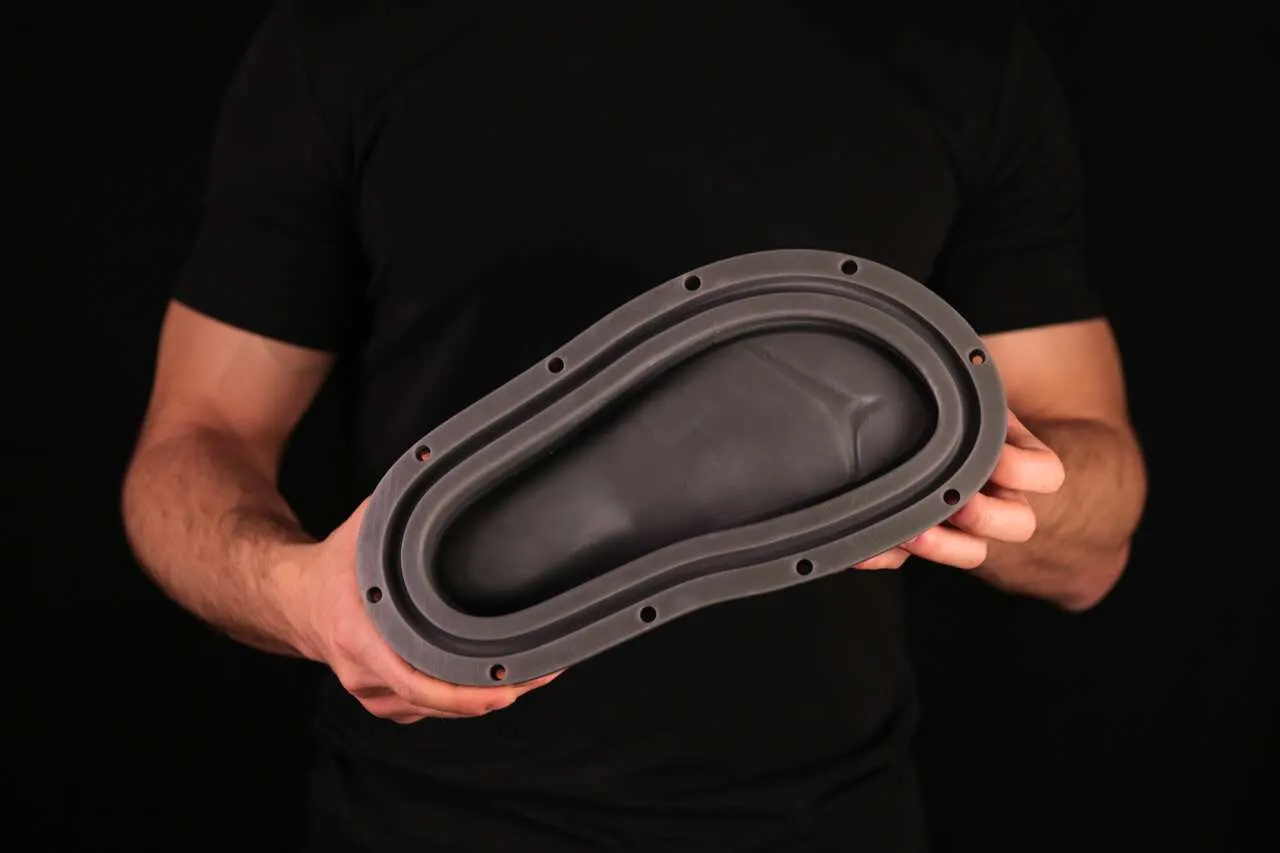
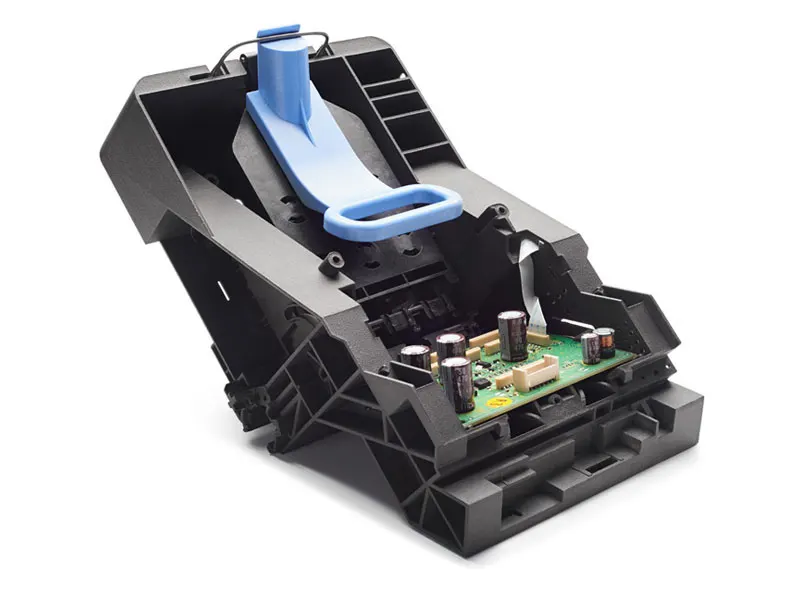
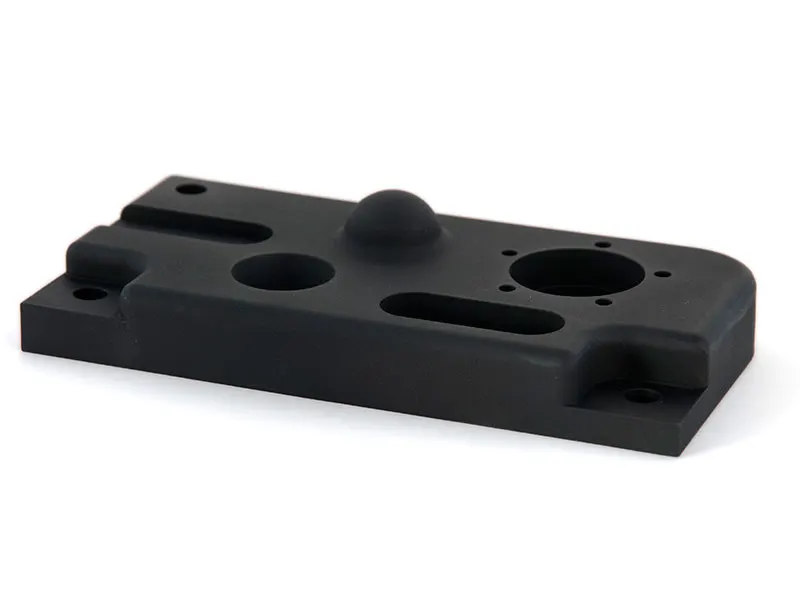
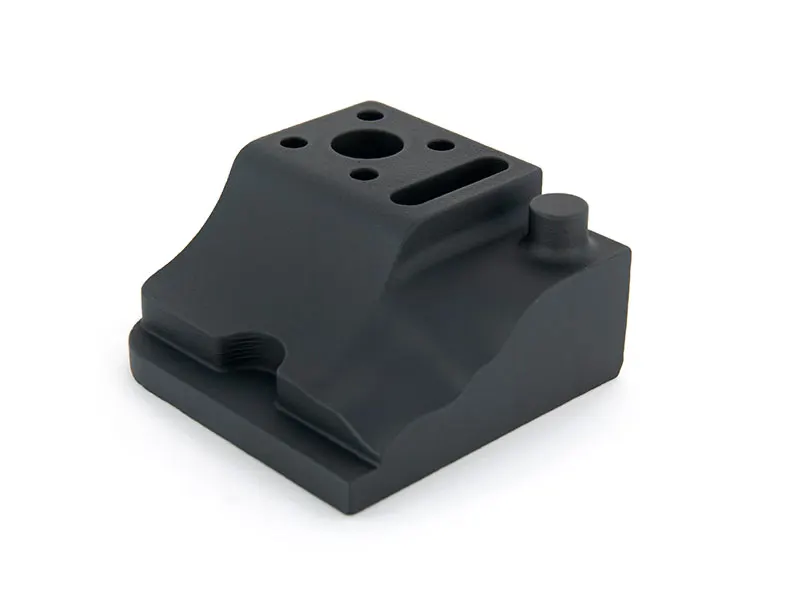
Work we have done
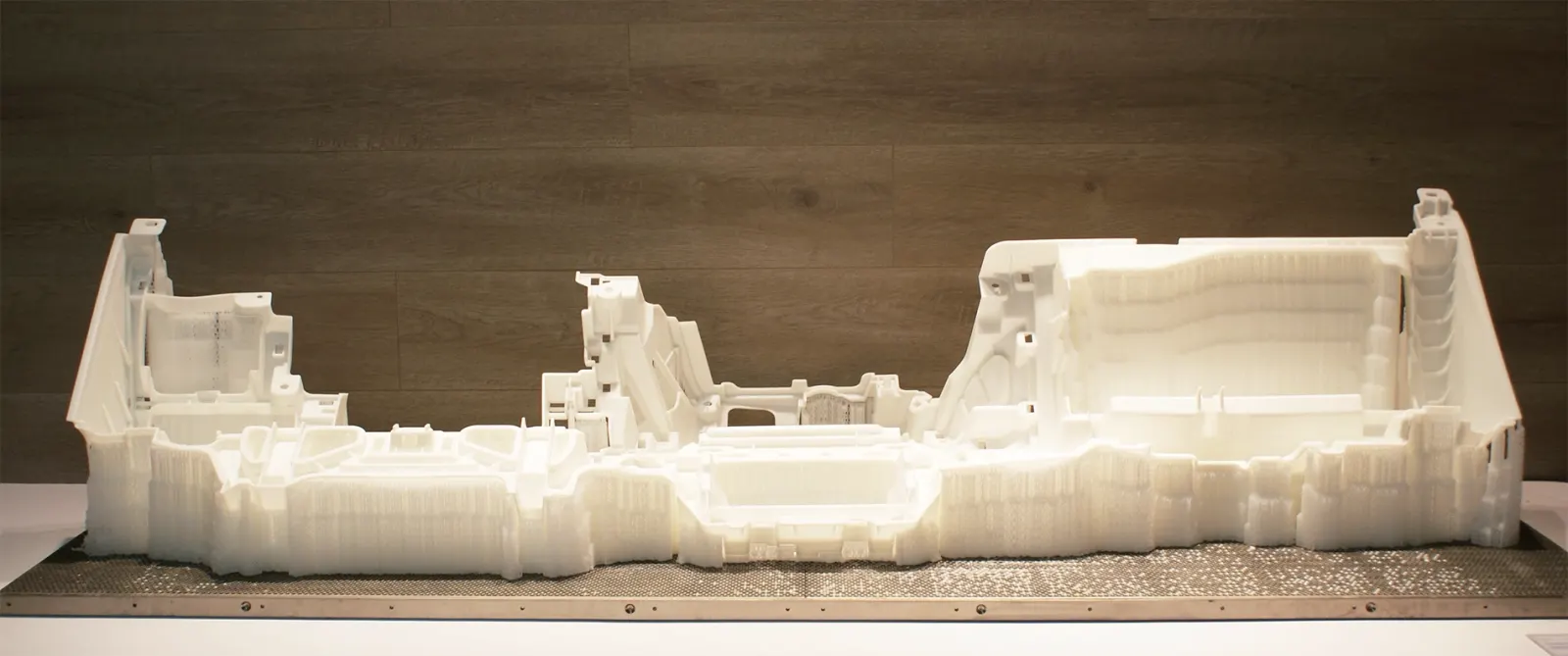
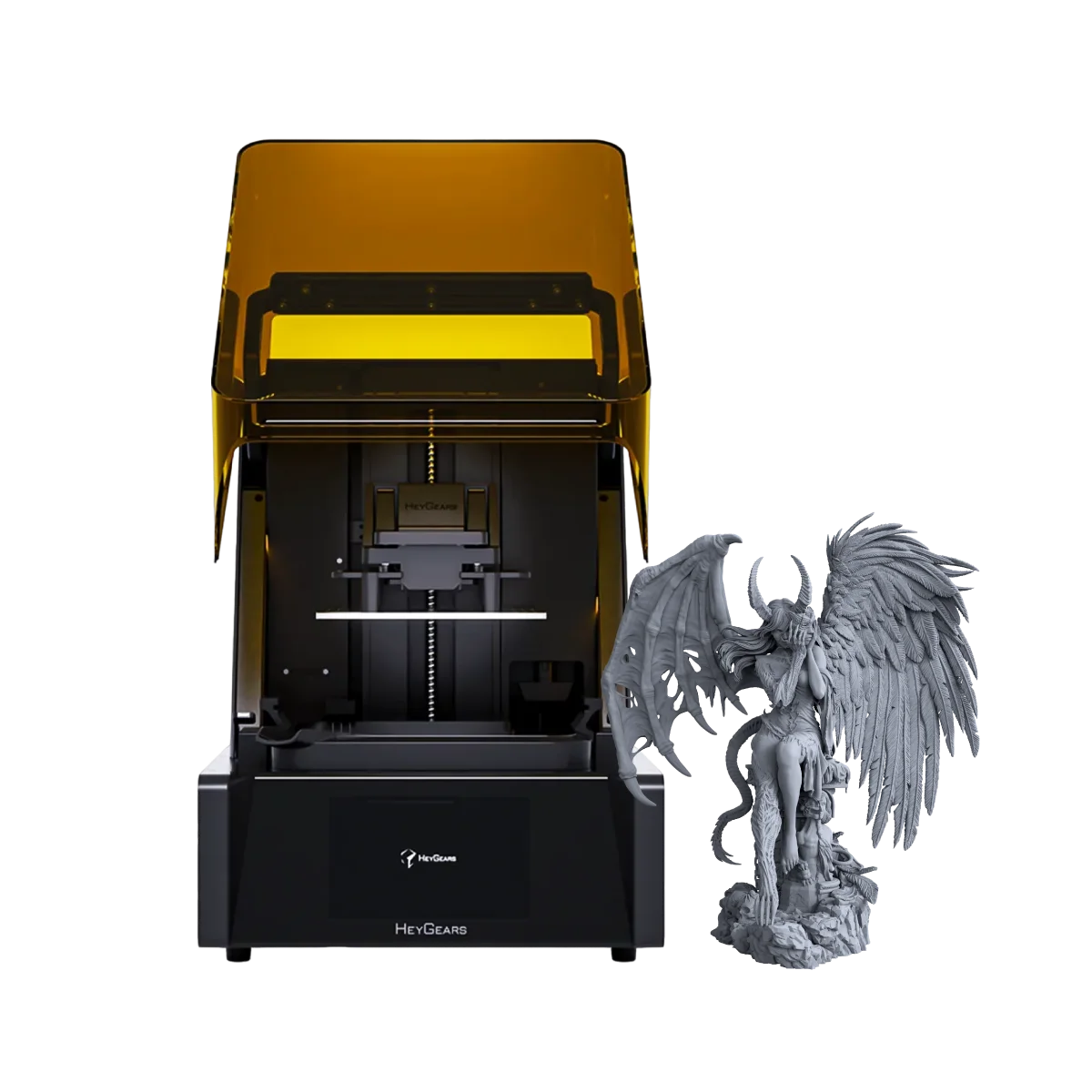
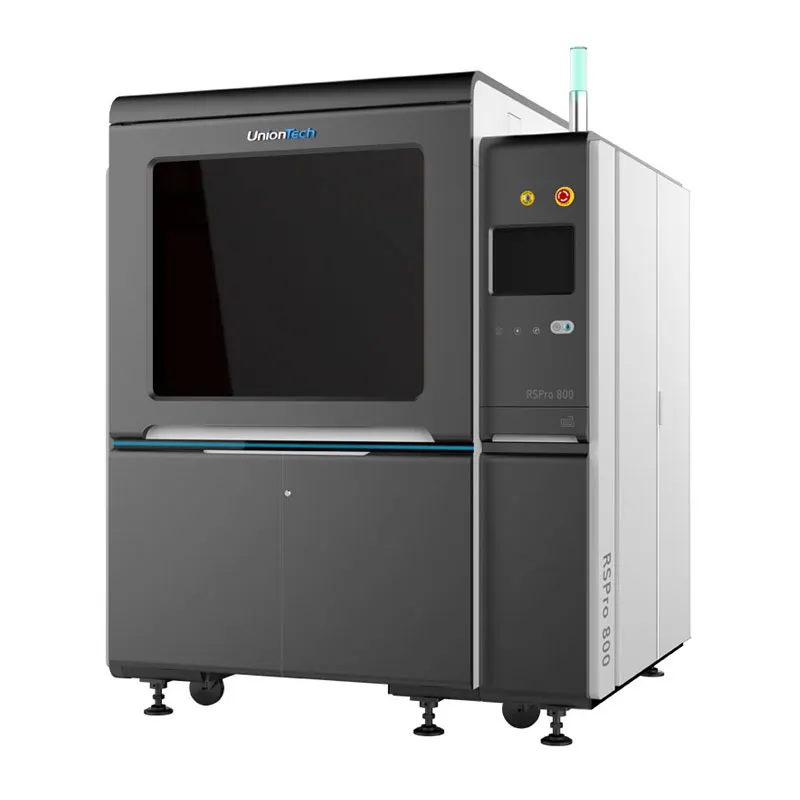
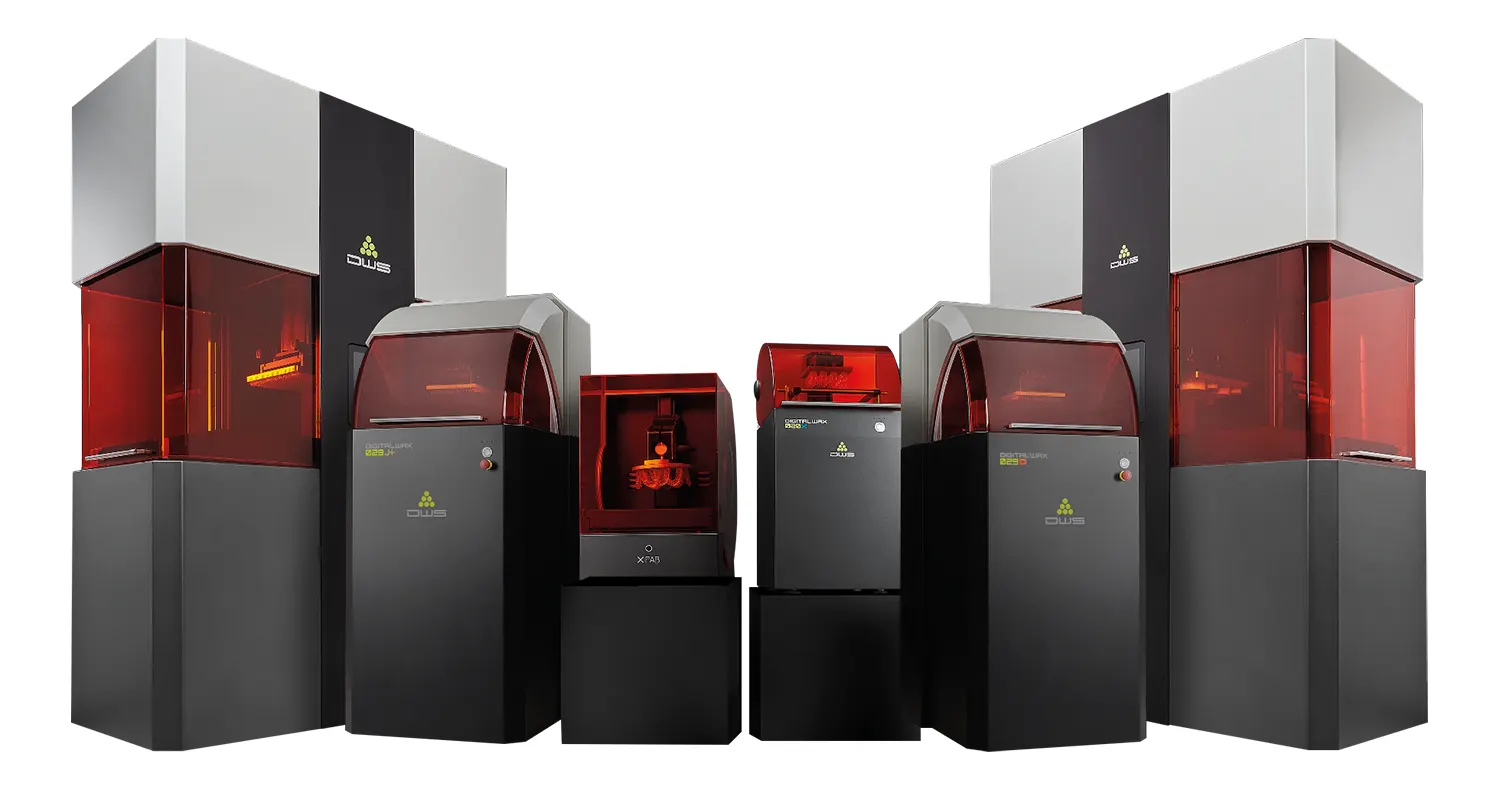
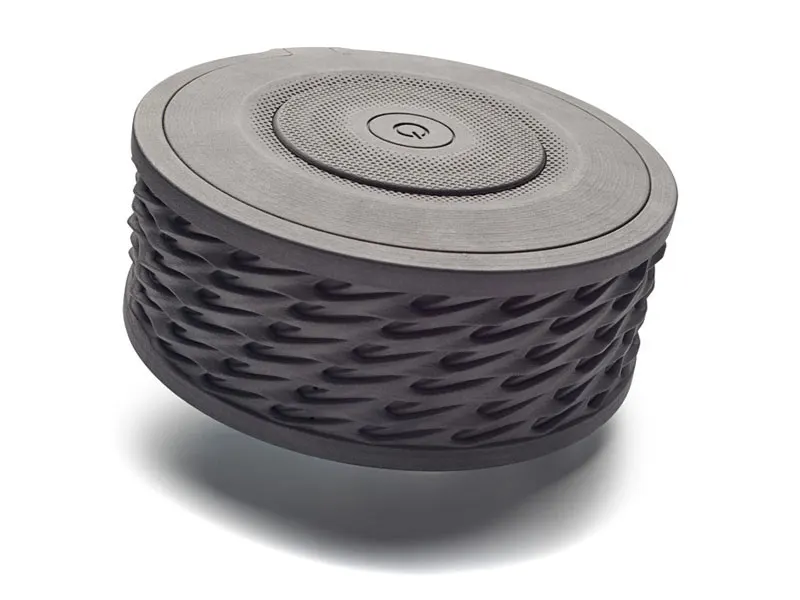
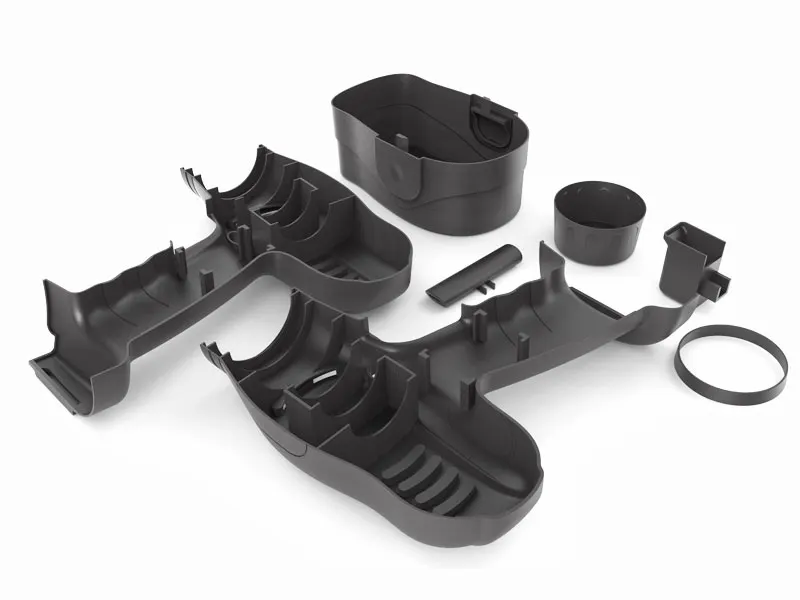
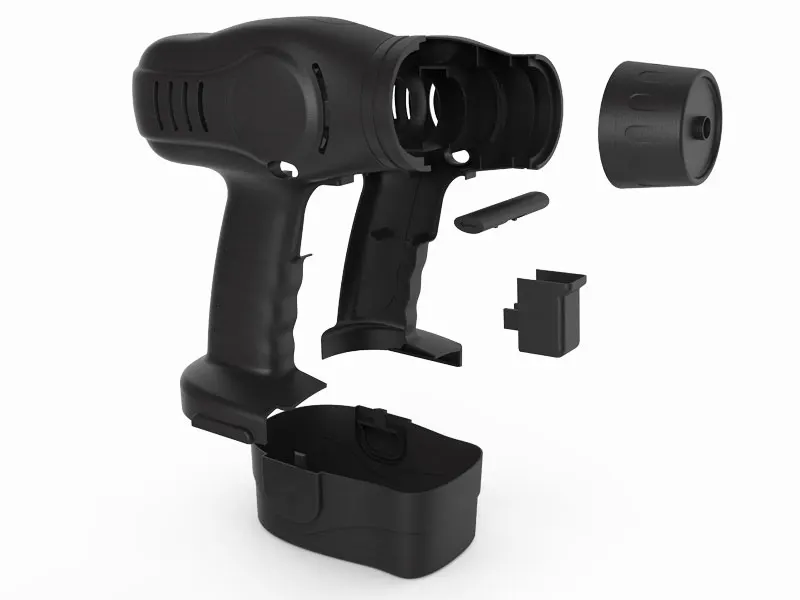
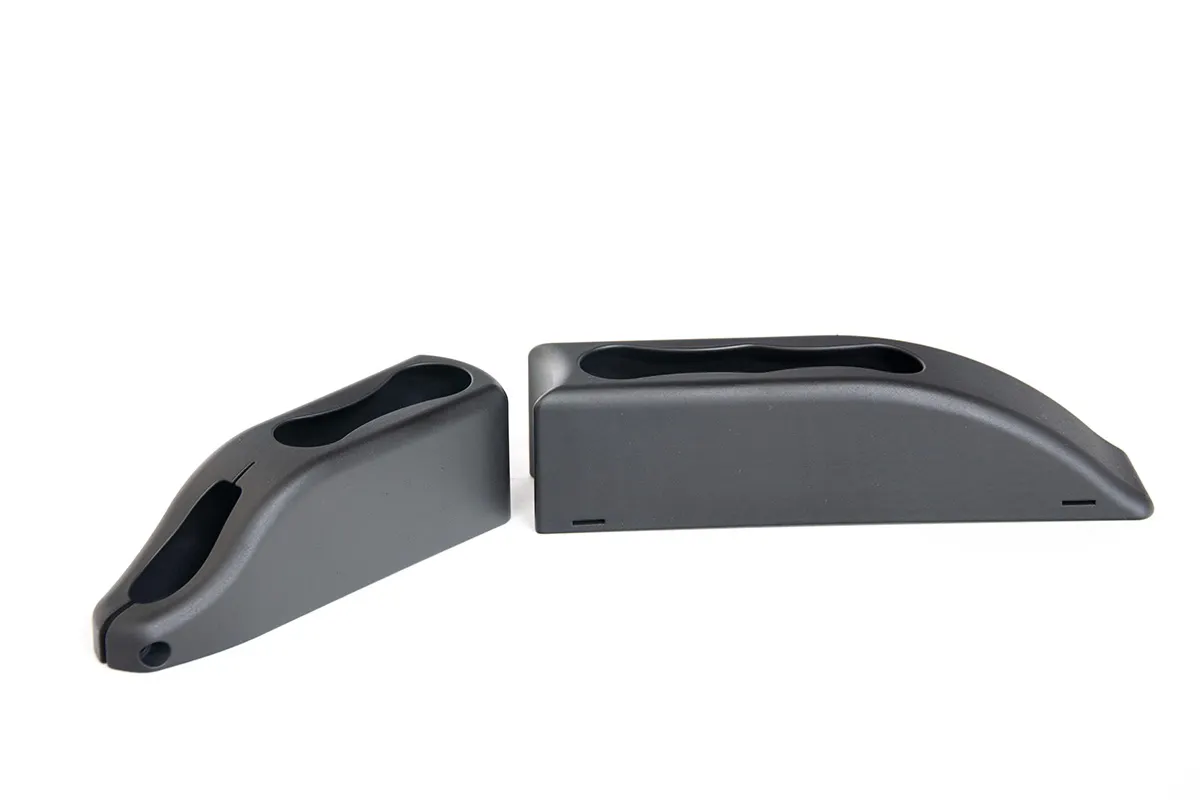
Photographed in our own lab, with the machine that did it.
Questions we get asked
Something else? Ring 0330 229 0175 and an engineer will answer it.
Which material should I use for a jig or fixture?
MJF nylon for load-bearing work, with a filled or high-temperature SLA resin for anything hot.
How much heat can a printed resin fixture take?
Our High Temp 220D resin reaches a heat deflection temperature of up to 227 °C at 0.455 MPa and 170 °C at 1.82 MPa, after post-processing. It is more rigid and less impact tolerant than tough resins.
What if the fixture has no drawing?
We scan the existing part and print from the scan. Scanning and printing happen in one building.
Send us the part
Upload a STEP or STL to the instant quote and the price is on screen straight away. No file, or not sure of the process? Send the object itself, or ring, and an engineer will recommend the process and material.