.svg)
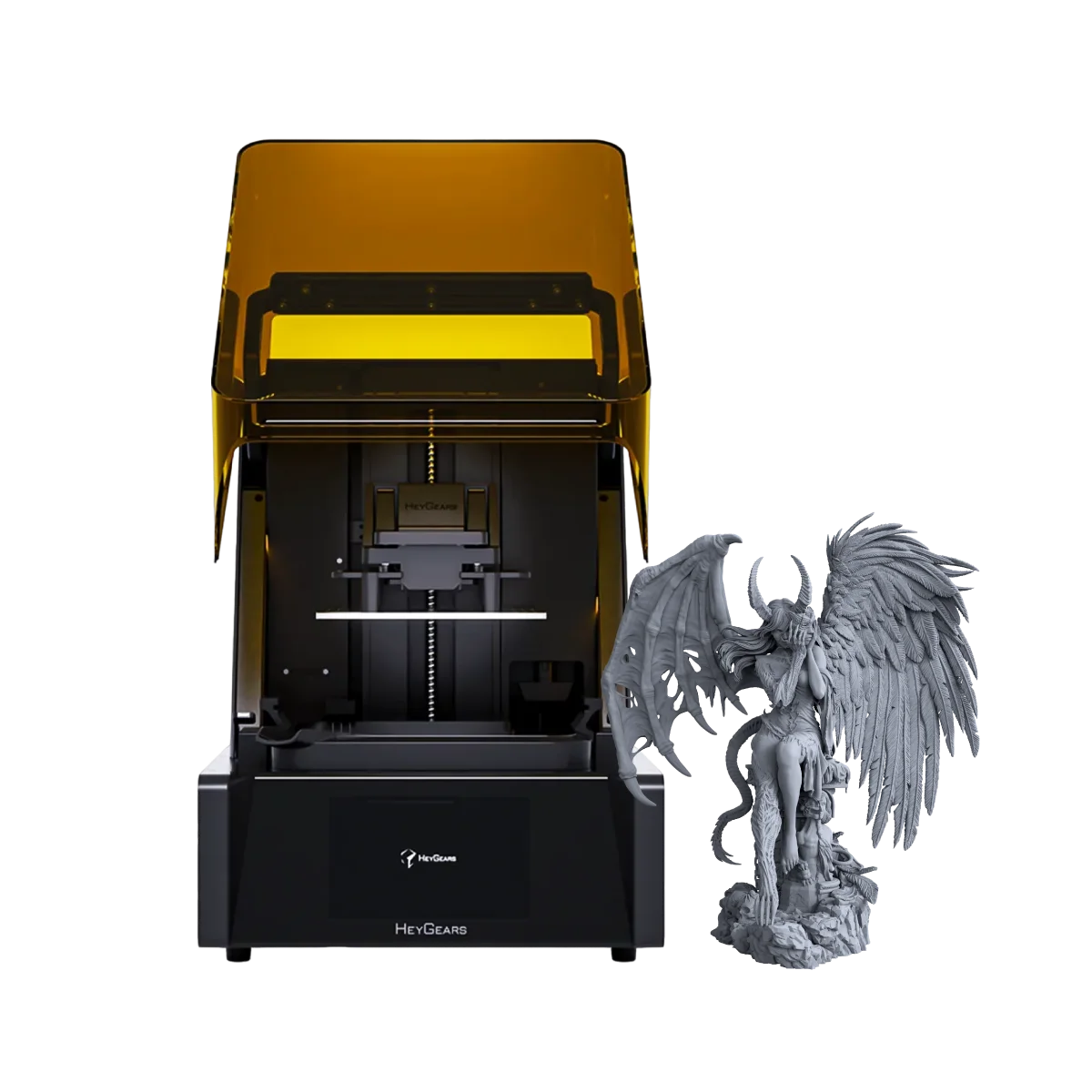
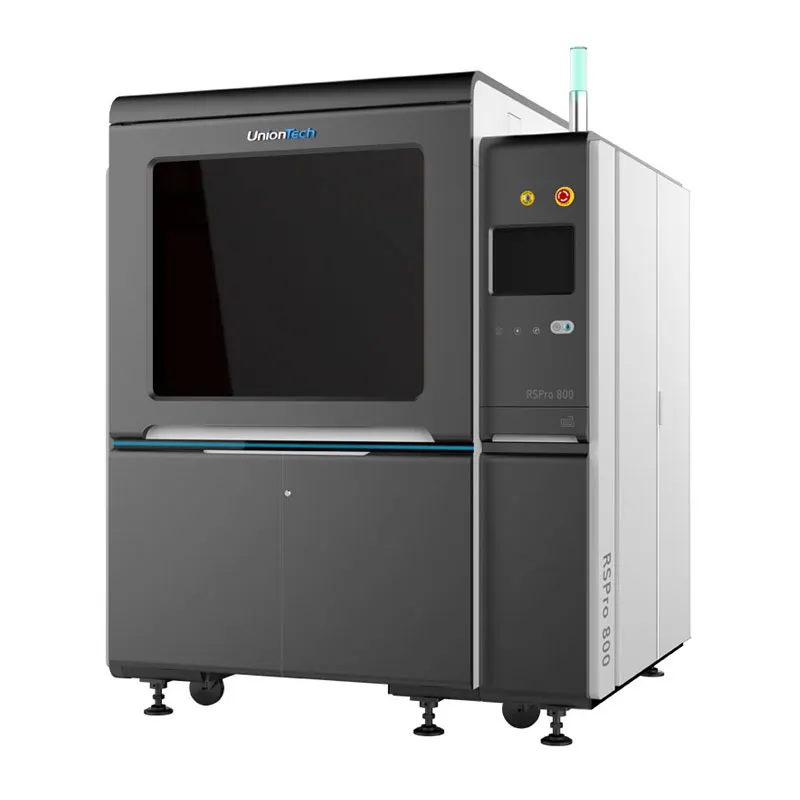
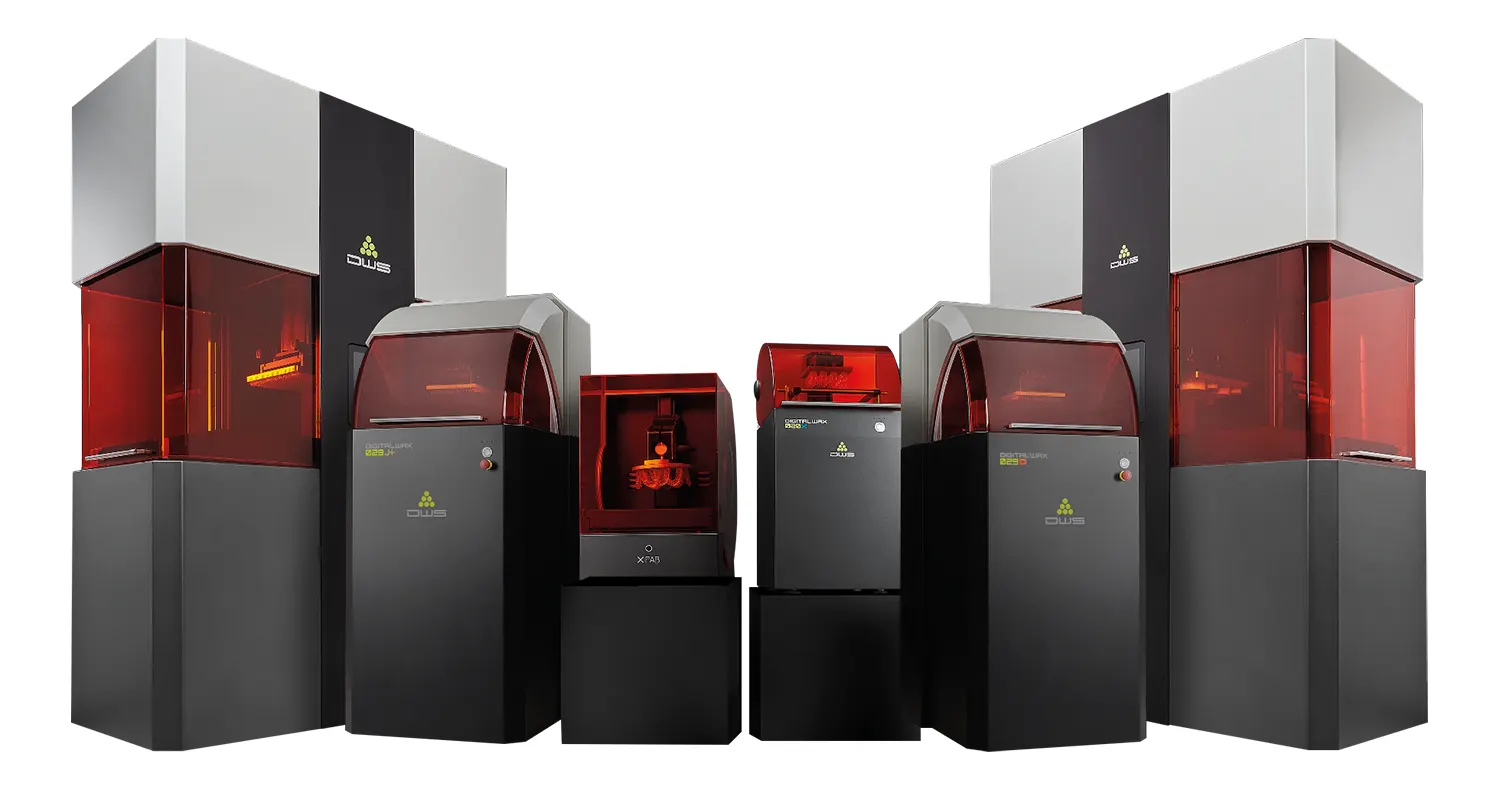
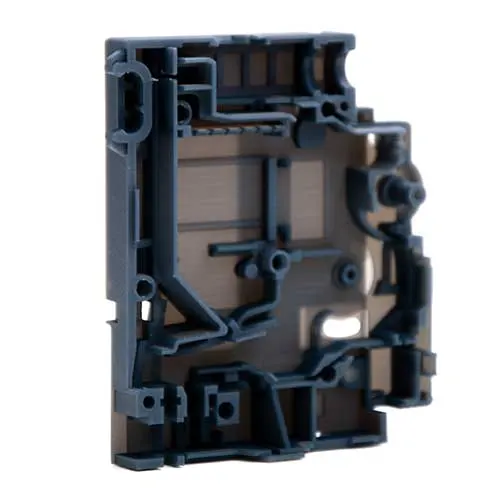

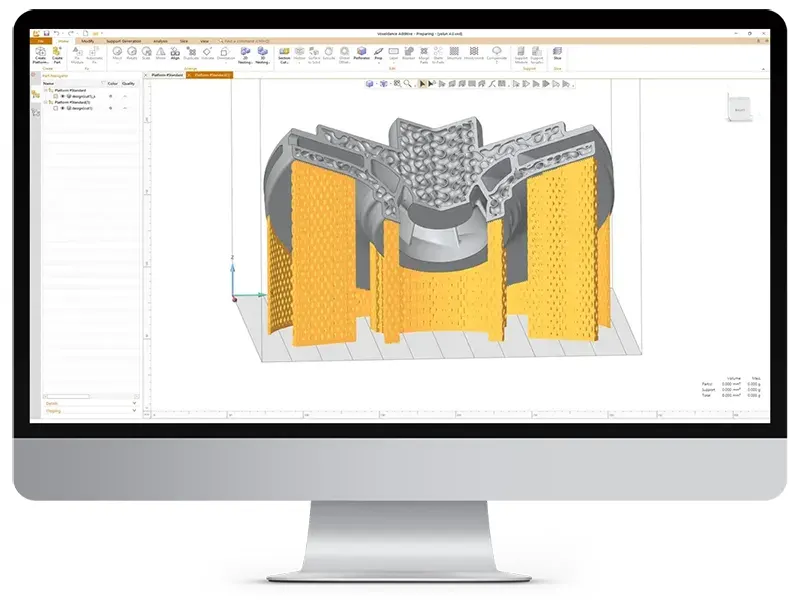
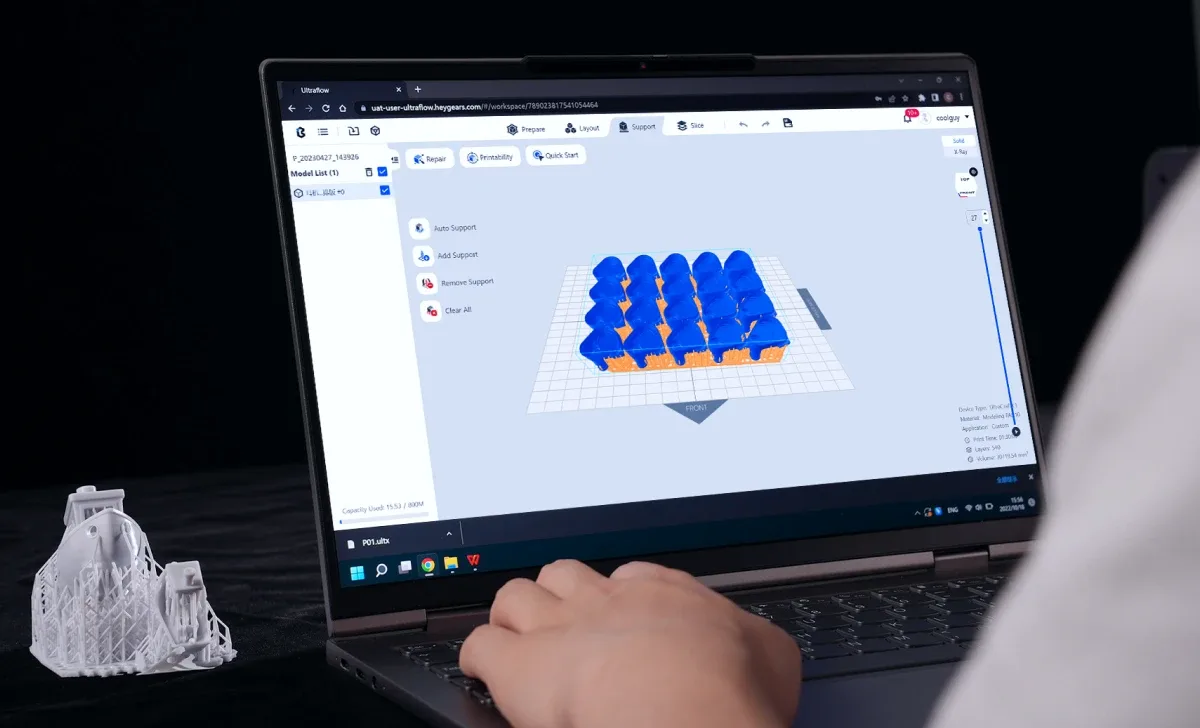
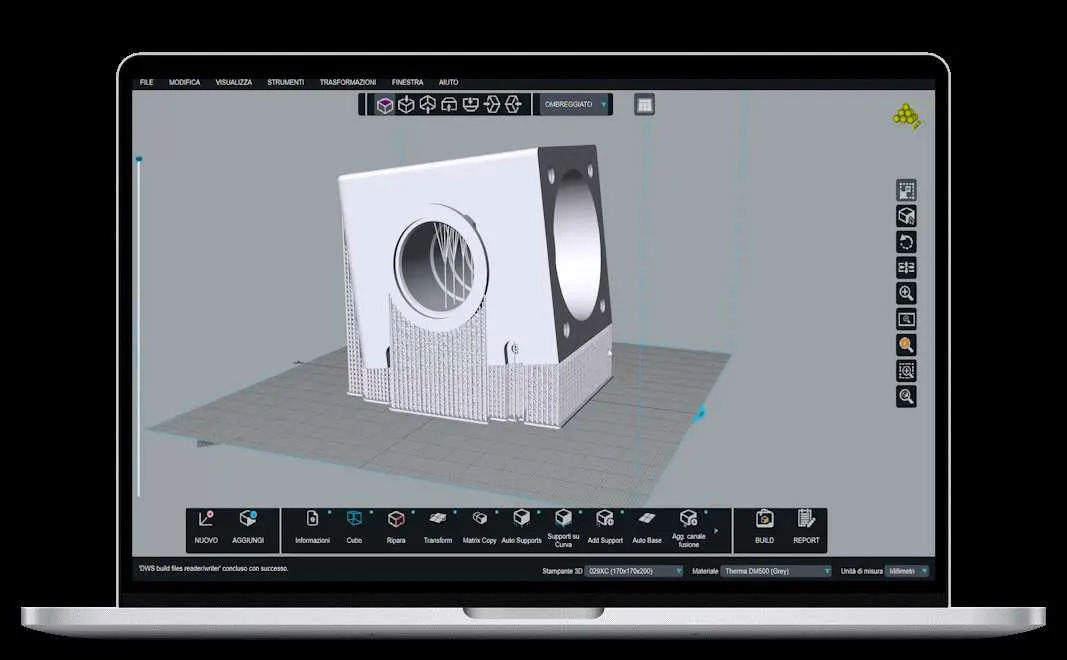
Do you remember the excitement of new equipment arriving at your school? Whether it was a new overhead projector and fresh pack of acetate sheets or a new TV on wheels, the memories stick with us. Often so does the topic the equipment was conveying or demonstrating.
Technology has come on leaps and bounds from the early 00’s. Many schools have now added a 3D printer to their inventory, but how does this help with school-based learning and what does it mean for the future generations?
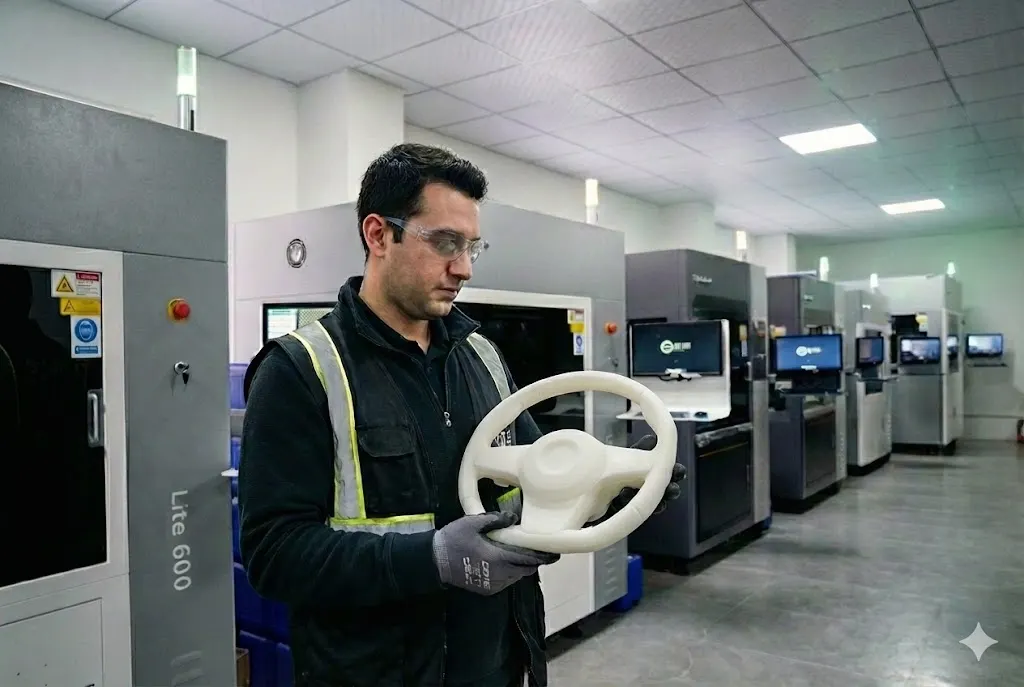
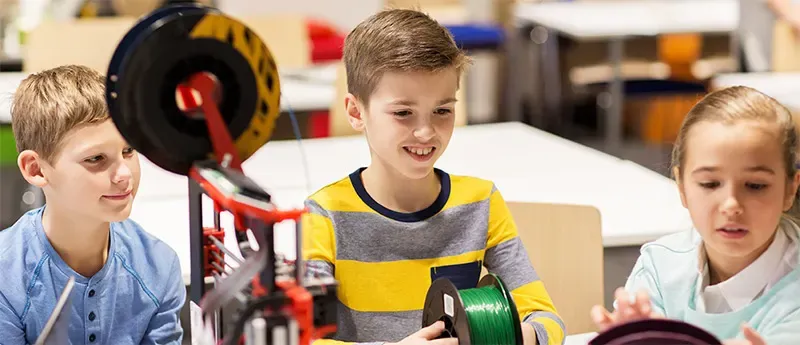
Project-based learning has always been an integral part of education as it encourages students to work as part of a team, solve problems and be creative. It increases involvement and heightens motivation. Over recent years, as the price of 3D printers has become more affordable to the wider public, schools, colleges and universities have introduced additive manufacturing into their learning system.
Between 2012 and 2013, the Department for Education funded a small trial in 21 schools to assess the potential that 3D printers have in education. It specifically explored how the technology could help the subject areas of science, technology and mathematics. Initially, the schools found that using the 3D printer was a process of trial and error. Over time, positive reports came through of quicker functionality. As a result, there were greater benefits including high levels of pupil motivation, engagement and inspiration.

Fun 3D Printing
Being able to use a 3D printer to demonstrate to students the topic at hand, plus creating physical, tangible objects to support their learning can help alleviate confusion and broaden creativity. But, it is not just schools which can benefit from using 3D printers in the classroom. In Universities, 3D printing is helping to revolutionise courses such as engineering, biology, automotive design and architecture.
Not only does it stimulate excitement, it offers a practical side too through allowing innovation to develop and practical solutions to problems to be discovered. Particularly in medicine, the world of 3D printing is rapidly developing, with students effectively practicing complex surgeries on 3D printed parts with properties that accurately mirror real life organs. It would appear that the possibilities and opportunities that 3D printing is creating in education is endless.
Unfortunately, there are still a number of barriers that are preventing all schools from investing in 3D printing technology – from access, to teacher awareness to funding. However, overall, we’re confident that these problems can be overcome, particularly as the cost of printing in 3D is reducing at a rapid pace.
Whilst the uses of 3D printing are endless in the real world, they’re also limitless in the classroom. This technology will undoubtedly shape the future, so it only makes sense that it should be a key component in the curriculum. With the introduction of more trials across schools plus increased awareness that this technology exists, the education sector will undoubtedly begin to reap the many benefits of 3D printing. It will also inspire artists, architects and engineers in the years to come.