Free UK delivery over £75 — ordered before 3pm, out the same day0330 229 0175Contact usSign in3D ScanworxShop
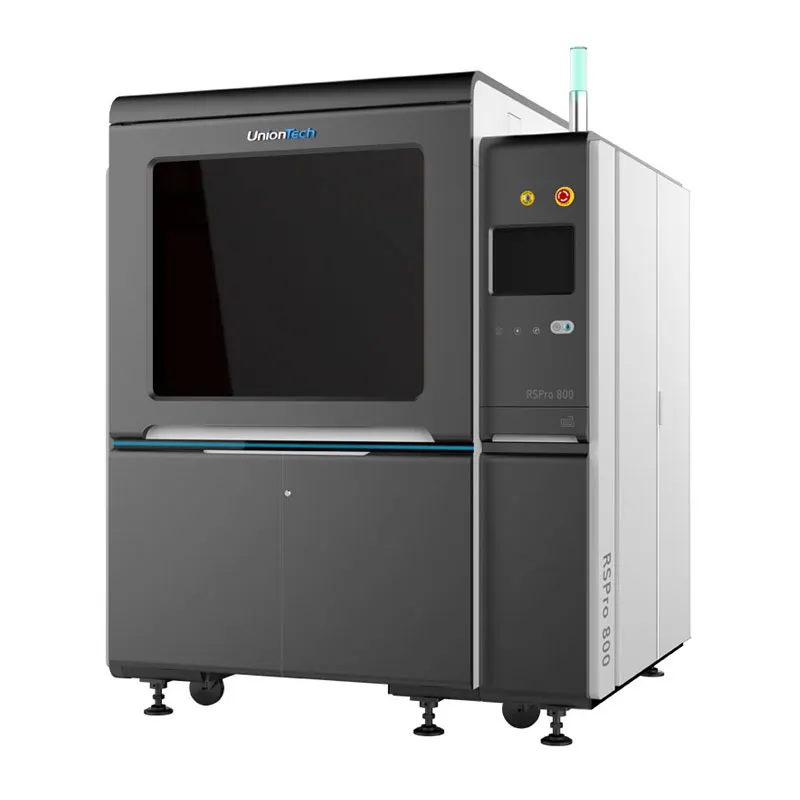
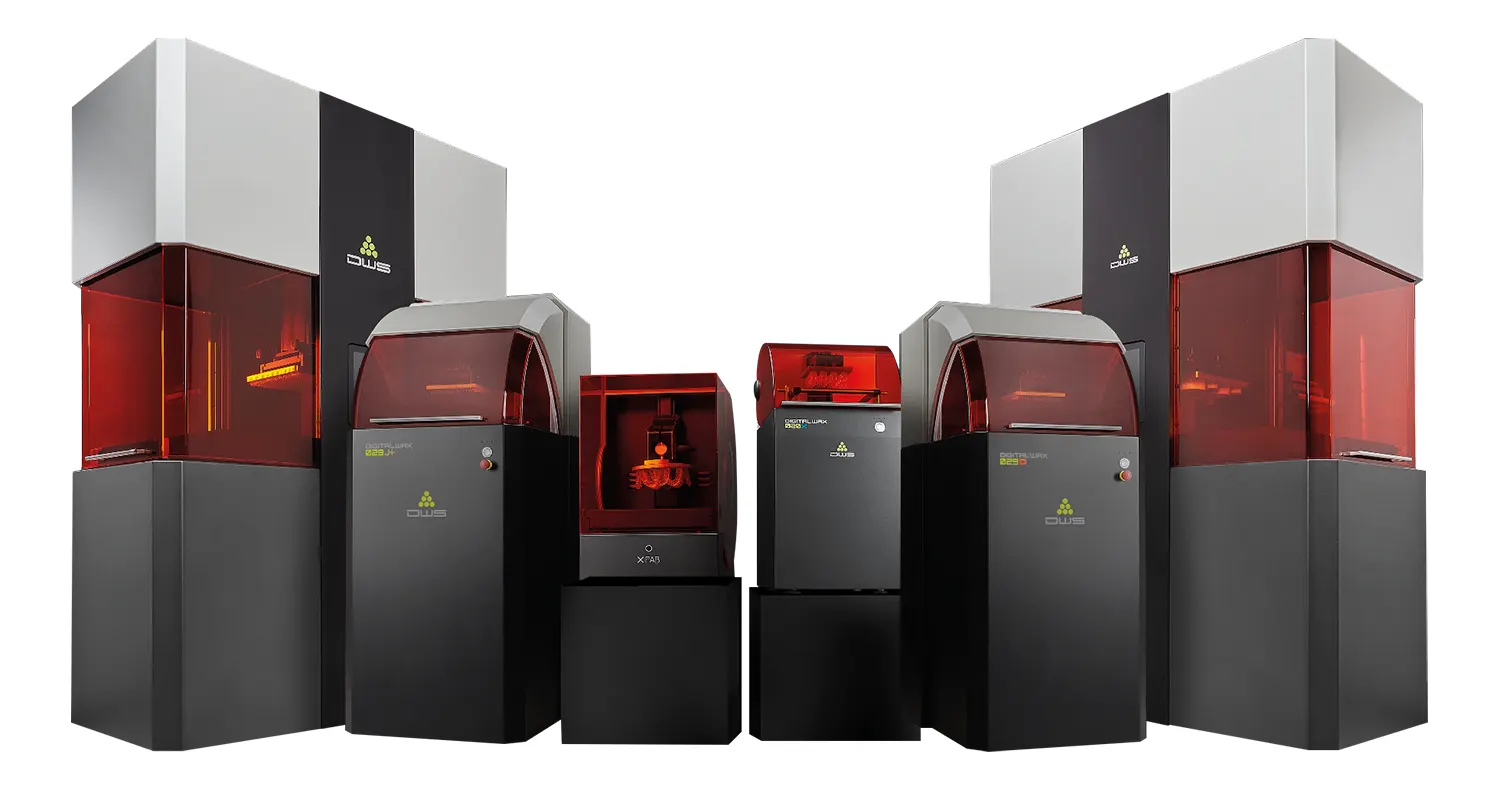
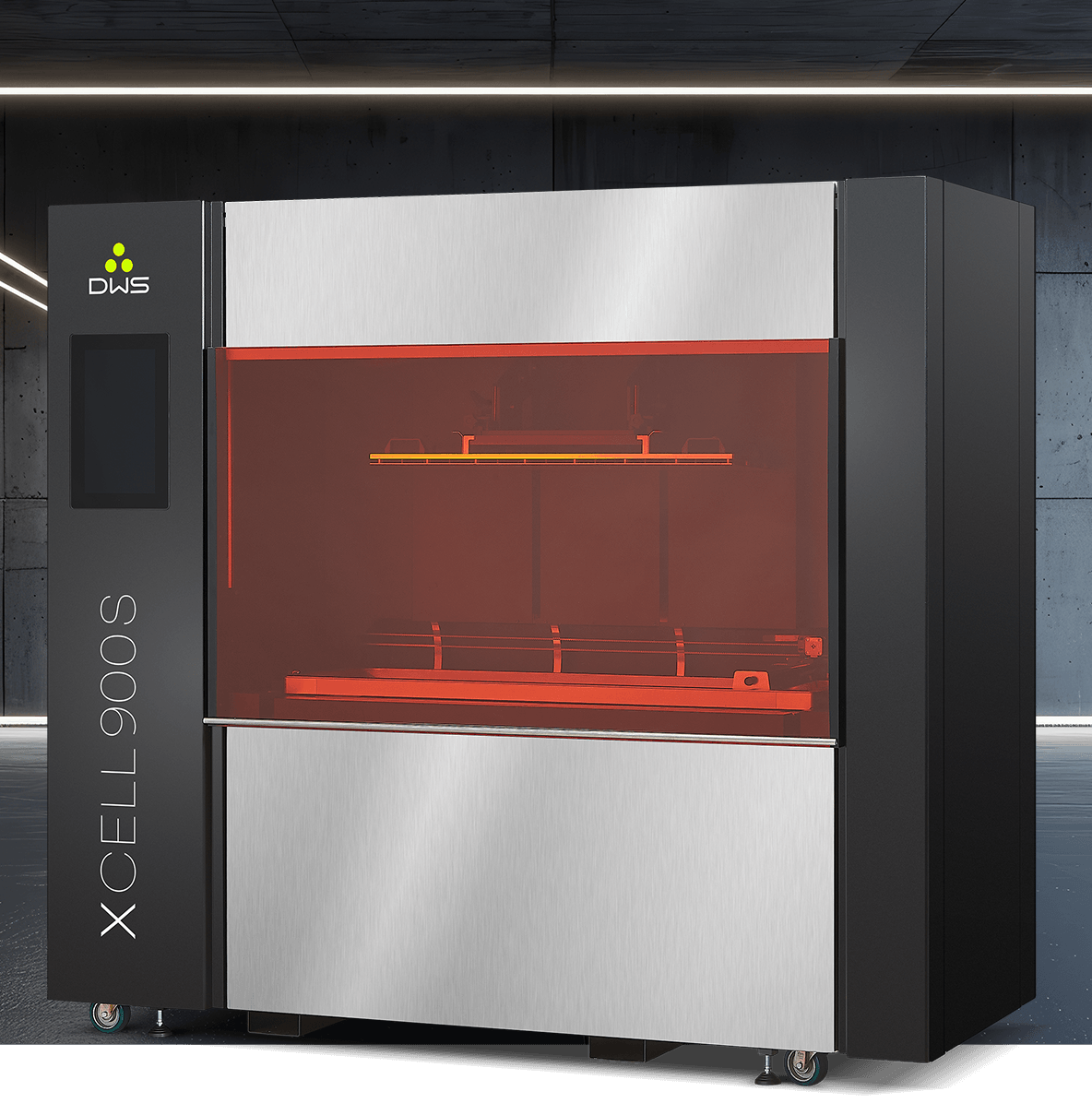
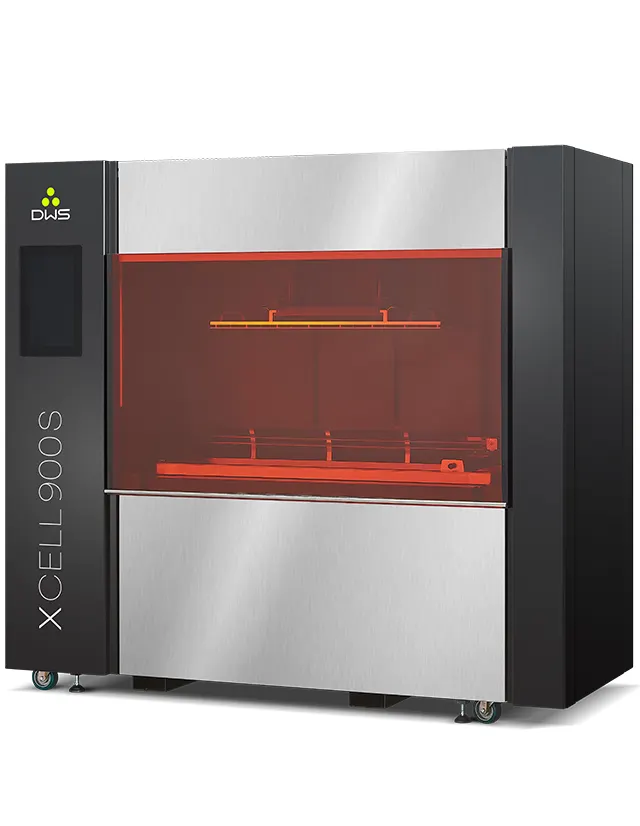
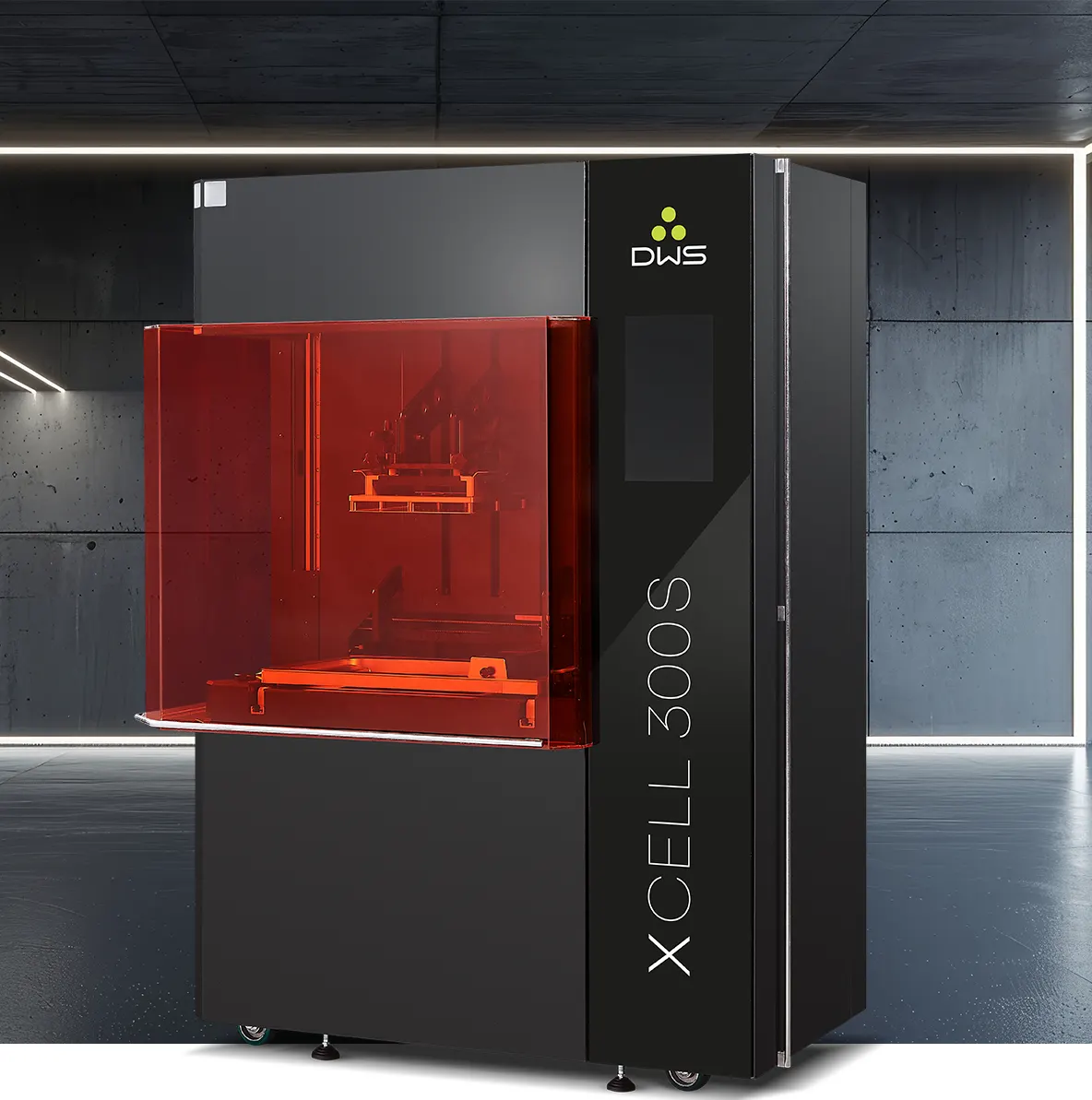
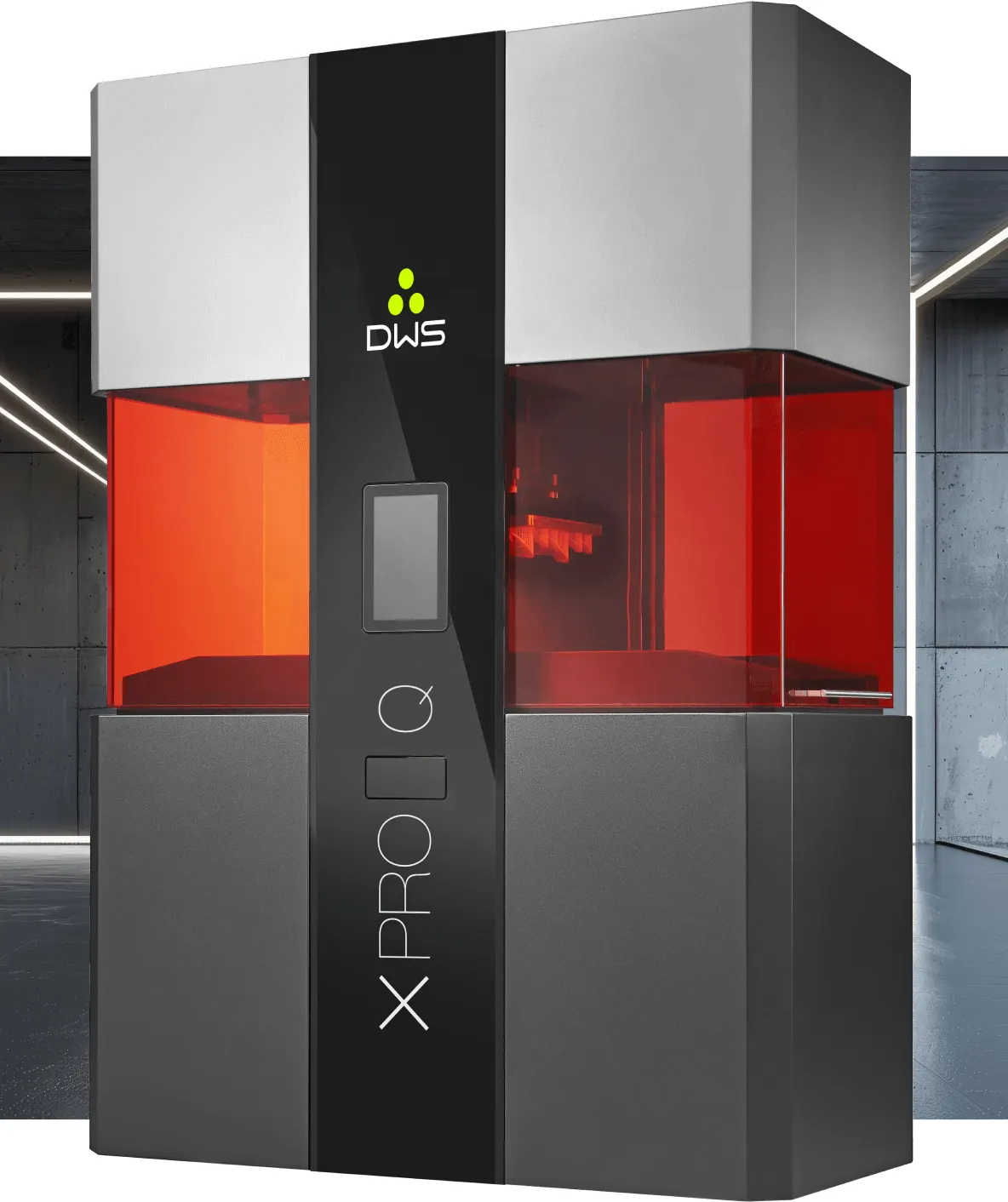
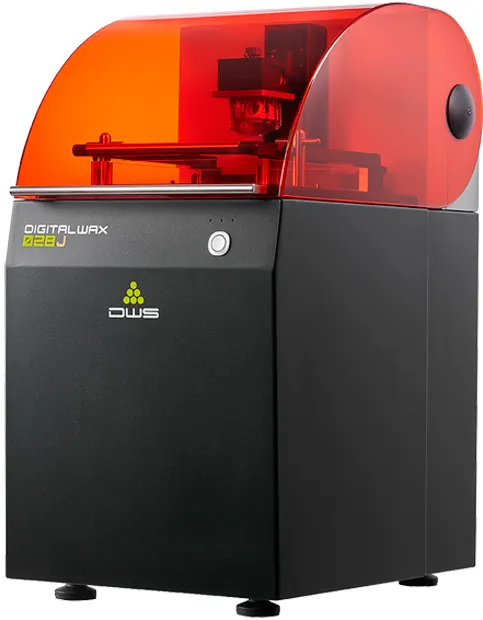
DWS XCELL 900S stereolithography 3D printer

Inverted laser SLA · DWS

Inverted laser SLA 3D printers

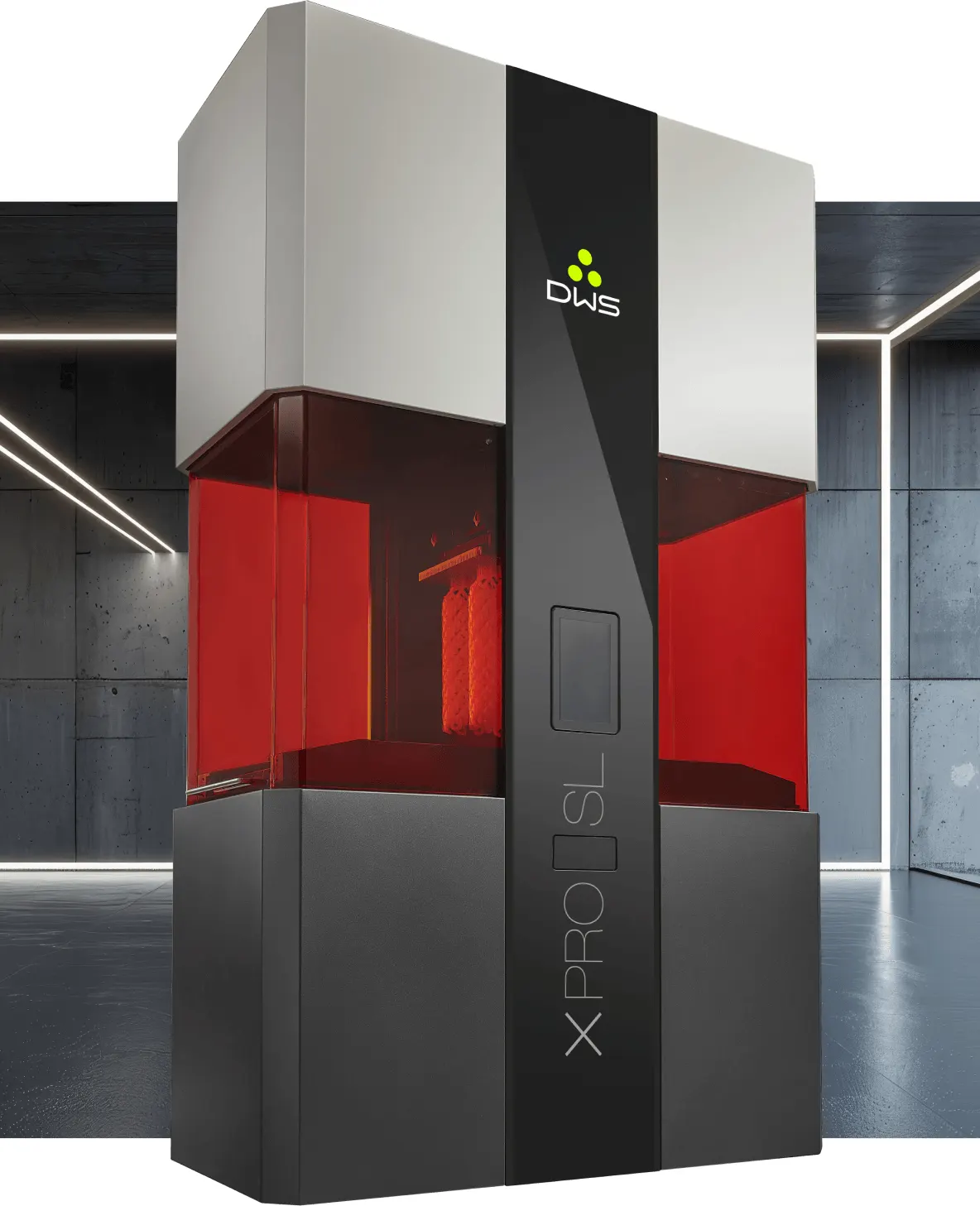
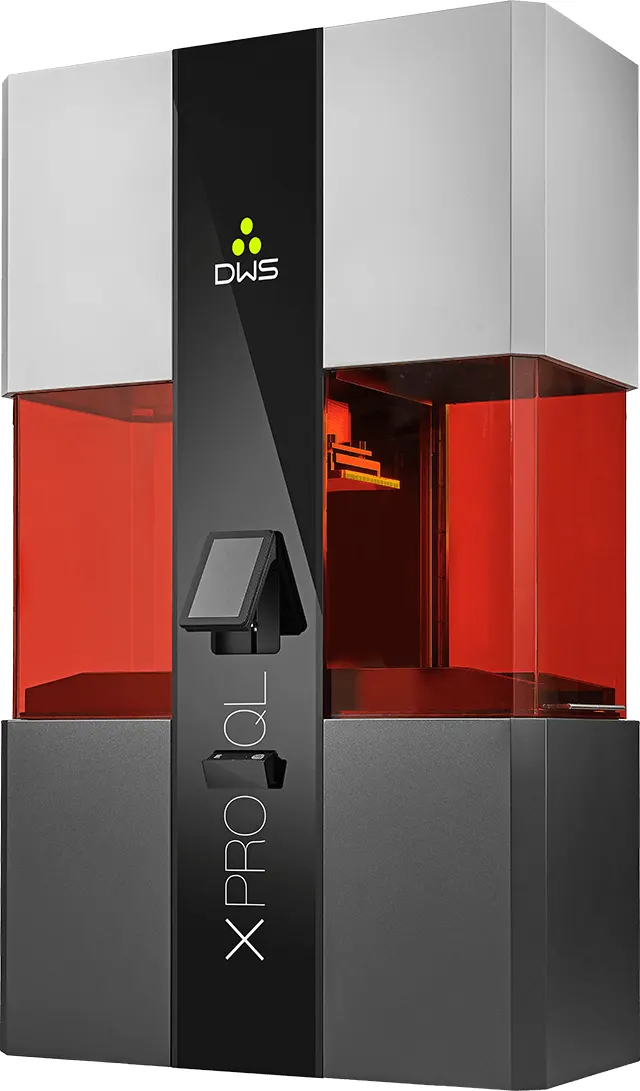
Stereolithography, upside down. The laser shines up through the clear floor of the resin tank and the part is drawn up out of the resin as it grows. DWS builds it from compact professional 3D printers to automated industrial production systems.

Priced on configuration. Call 0330 229 0175

9
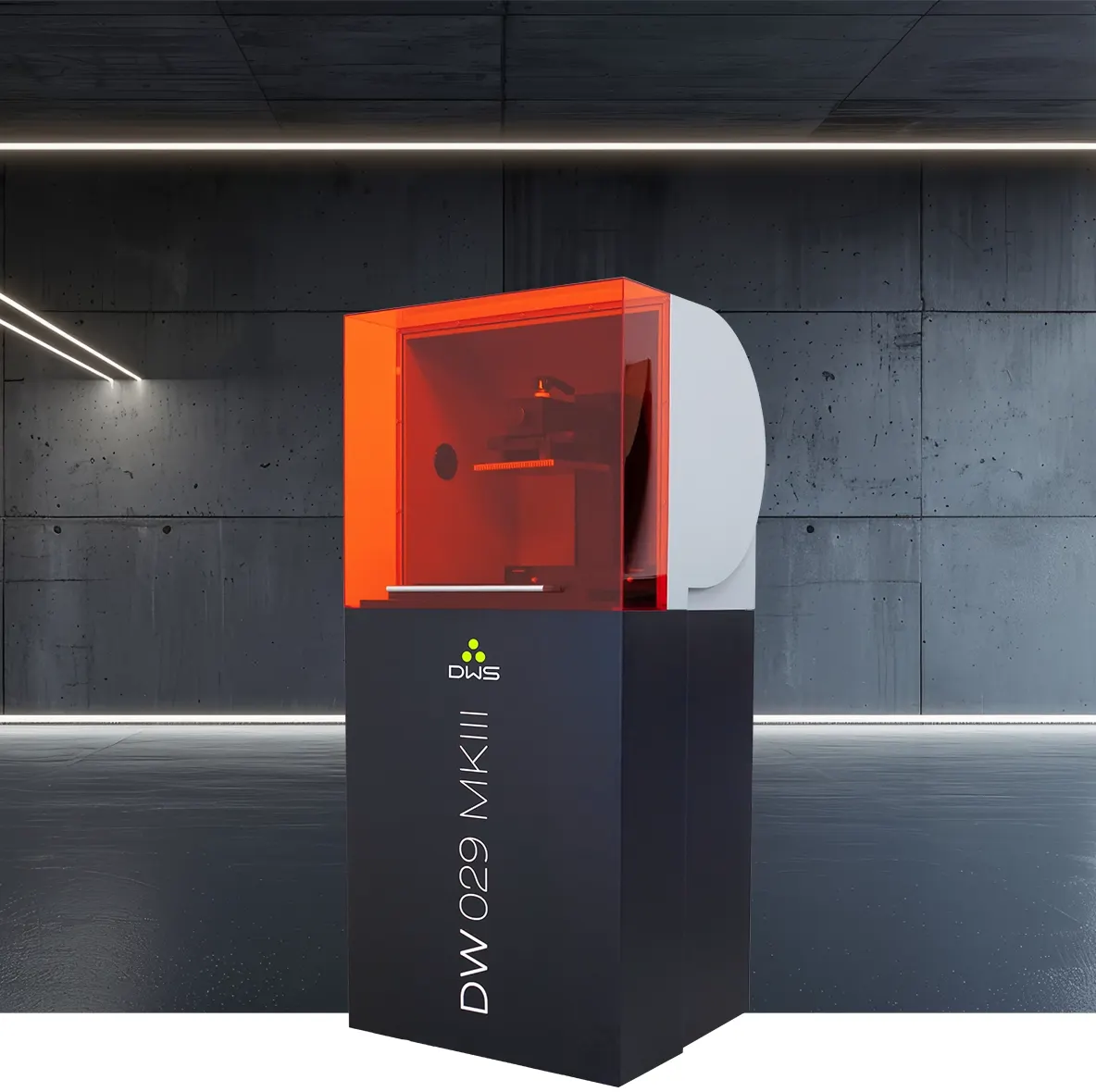
DWS 3D printers in the UK range
20 µm
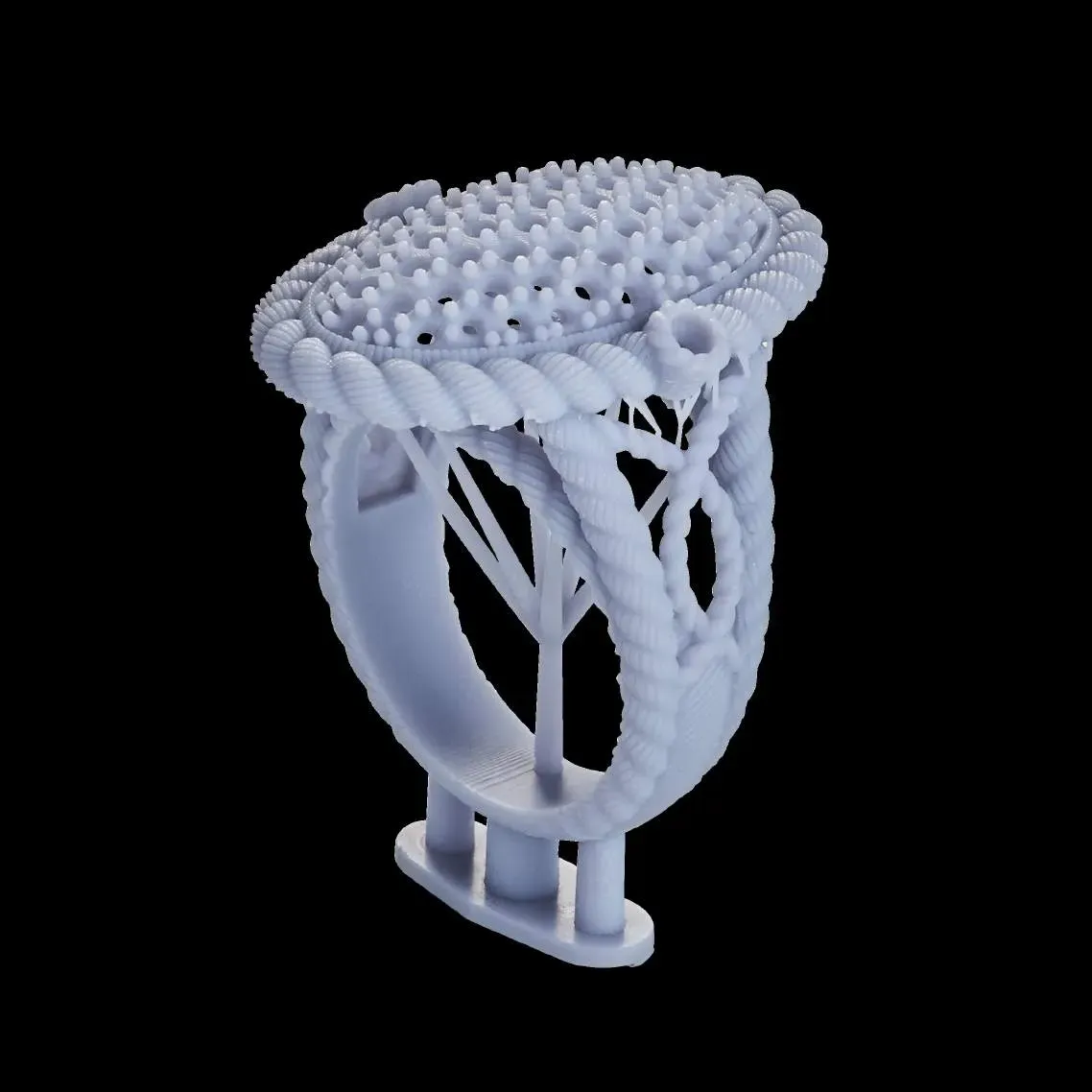
finest resolution, on the DW 029MKIII
12
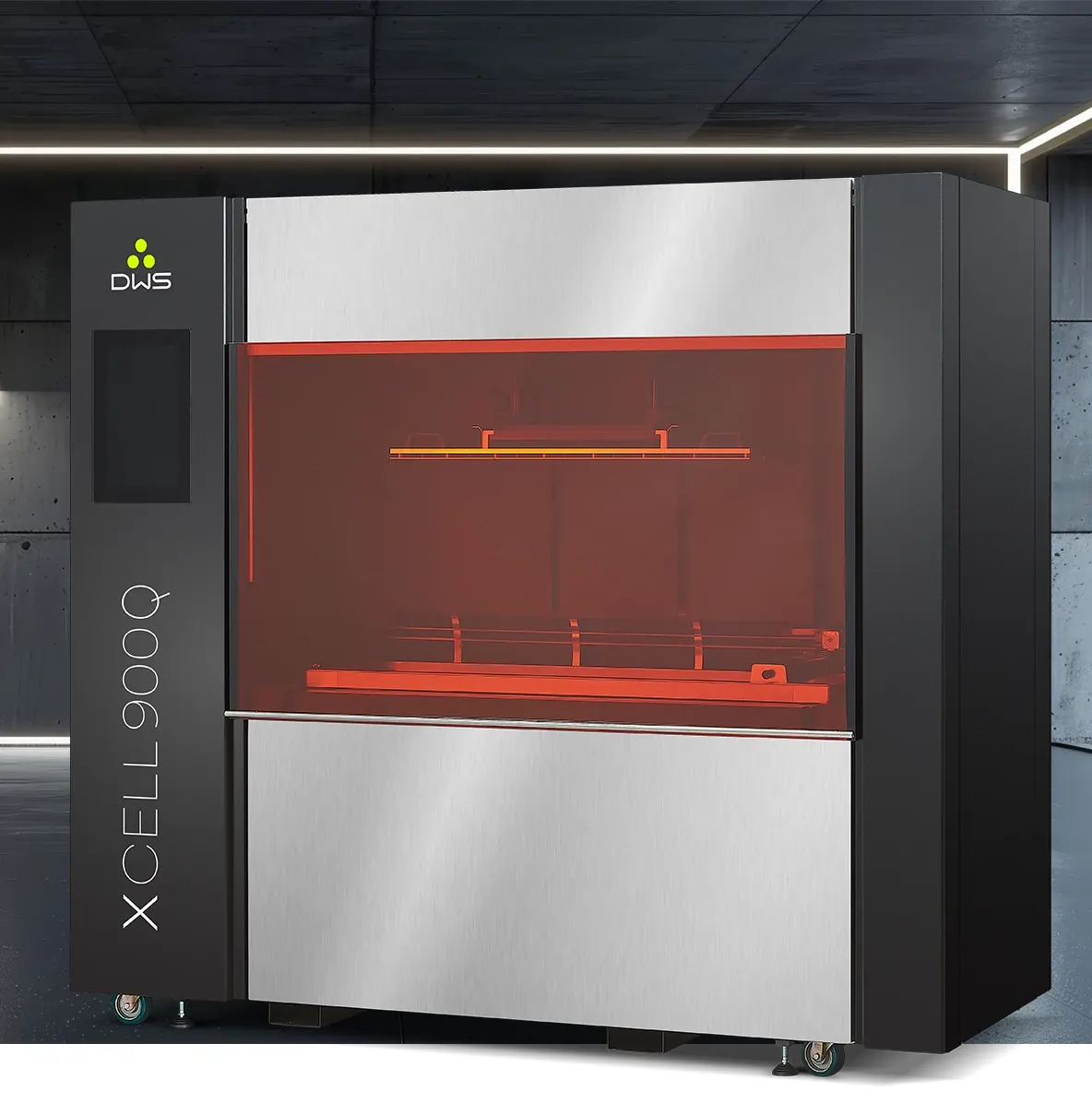
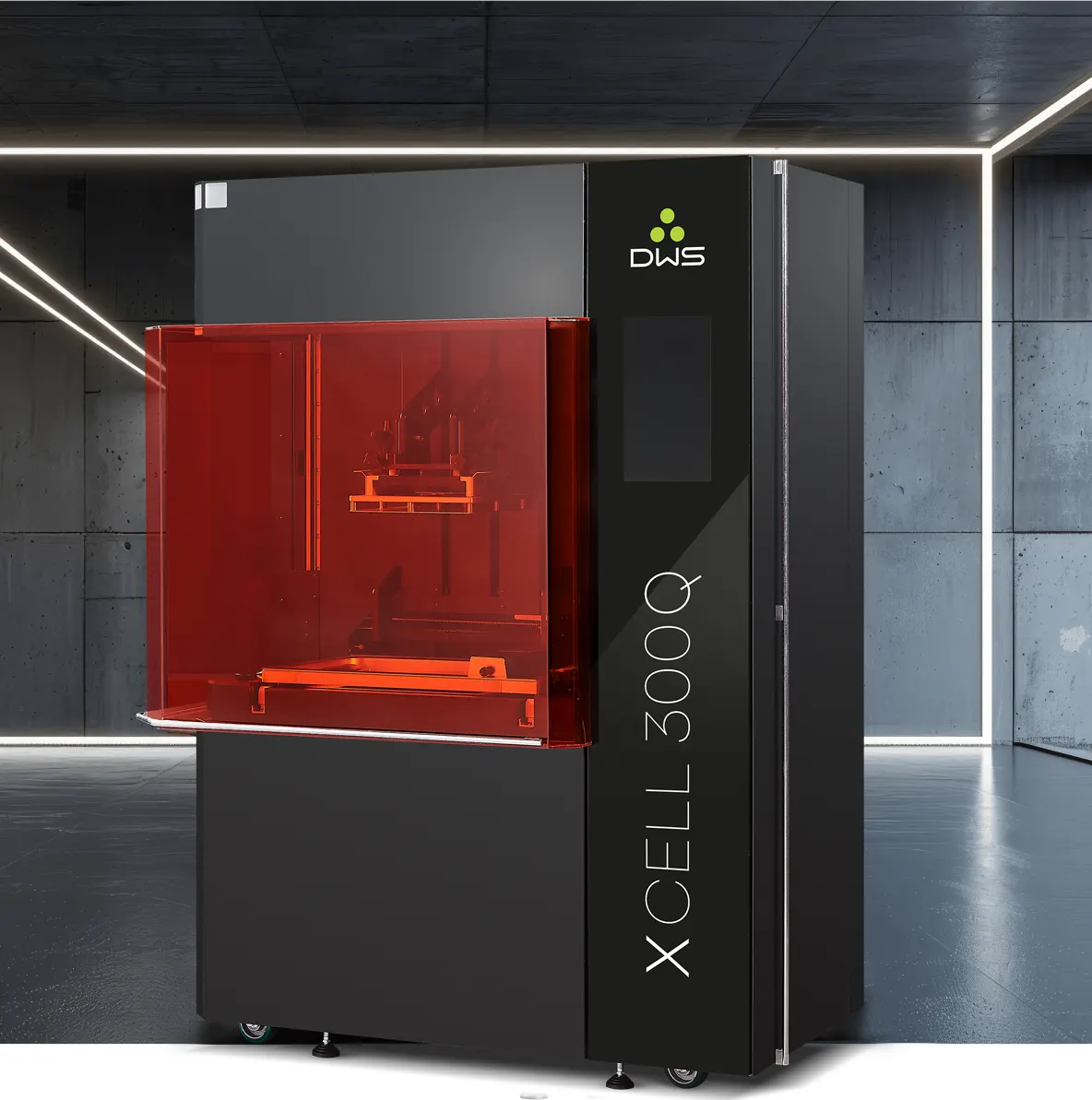
BlueEdge® lasers in the XCELL 900Q
100+
materials developed by DWS

How inverted laser SLA works.

An upside-down form of laser stereolithography. A laser shines through the transparent bottom of the resin tank and traces each layer and the platform lifts the part out of the resin as it grows. It is a variation of SLA, not a different process: the difference is which way up the part grows.

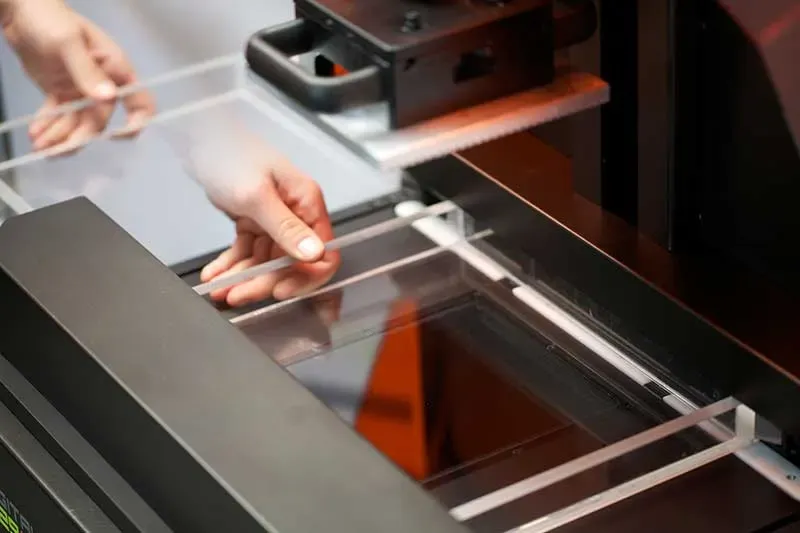
Operator sliding a DWS resin tank into the 3D printer
Swap the tank, swap the material

A shallow working volume

A shallow working resin volume, so there is no deep vat to fill around the whole part.

Manageable material changes

Smaller resin quantities and removable tanks make changing material more manageable.

Solid-state BlueEdge® lasers

From one laser on the DW line to twelve on the XCELL 900Q.

The DWS range.

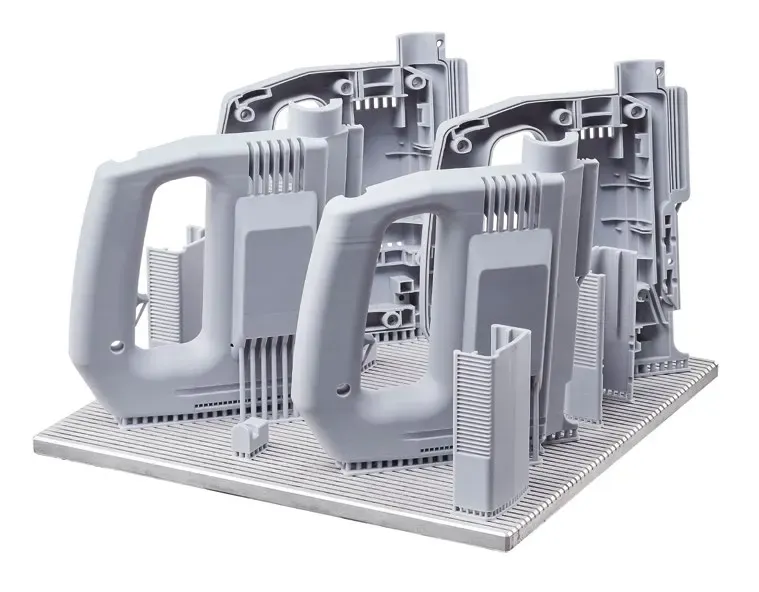
Typical uses: detailed prototypes, casting patterns, specialist tooling and production parts, depending on the machine and material. Every DWS is priced on configuration.

Dental labs and clinics: ask us for the XFAB PD range.

After the print.

Every resin part needs the same short finishing routine before it is ready to use.

  1. 01

    Drain and clean

    Lift the part from the vat and wash off the uncured resin.

  2. 02

    Remove the supports

    Snip or break away the support structure and tidy the marks.

  3. 03

    Post-cure

    UV light, plus heat for some grades, brings the resin to its full properties.

  4. 04

    Finish

    Sand, prime, paint or polish clear, as the part needs.

Other ways we print.

Inverted laser SLA is one of four. The right choice depends on the part, the material, its size and how many you make.

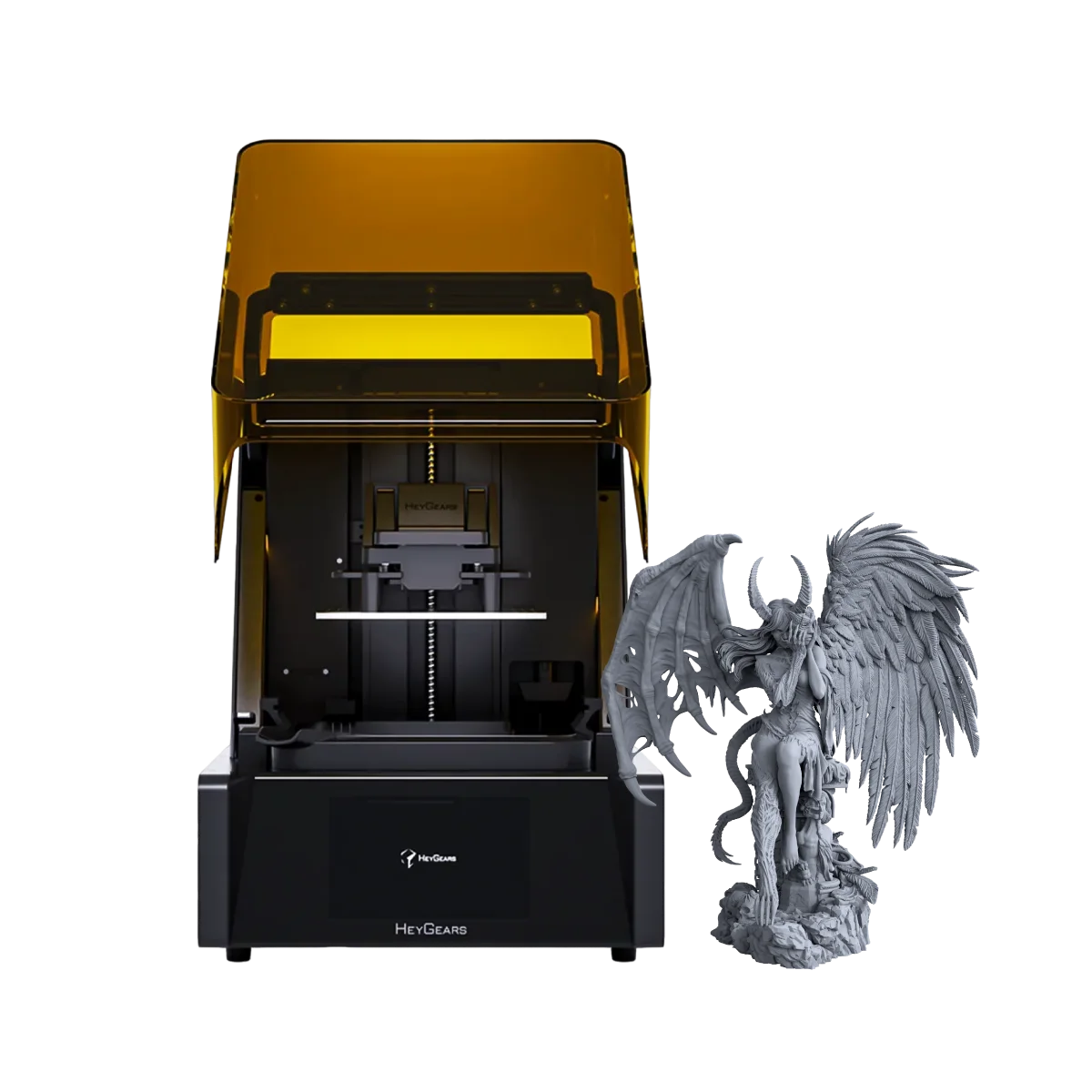
A white lattice part printed on the HeyGears Reflex 2 Pro beside the 3D printerResin

MSLA · masked stereolithography

Detailed resin printing in your design workspace

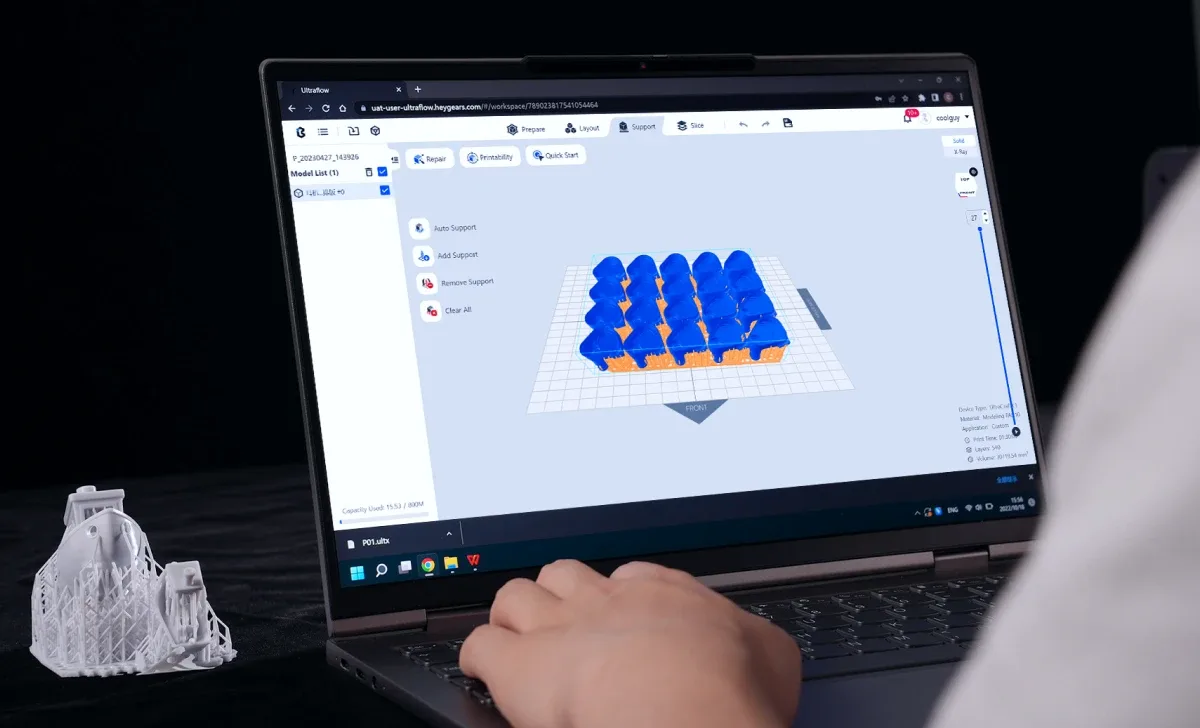
A light source shines through an LCD screen beneath a tank of liquid resin. The screen acts as a mask, exposing the shape of a whole layer at once. The platform lifts, fresh resin flows underneath and the process repeats.

  • Fine detail and smooth surfaces for models, prototypes and selected functional parts.
  • Whole-layer exposure makes it practical to print several parts together on the build plate.

Typical uses. Product design, detailed models, prototypes and engineering parts in the right resin.


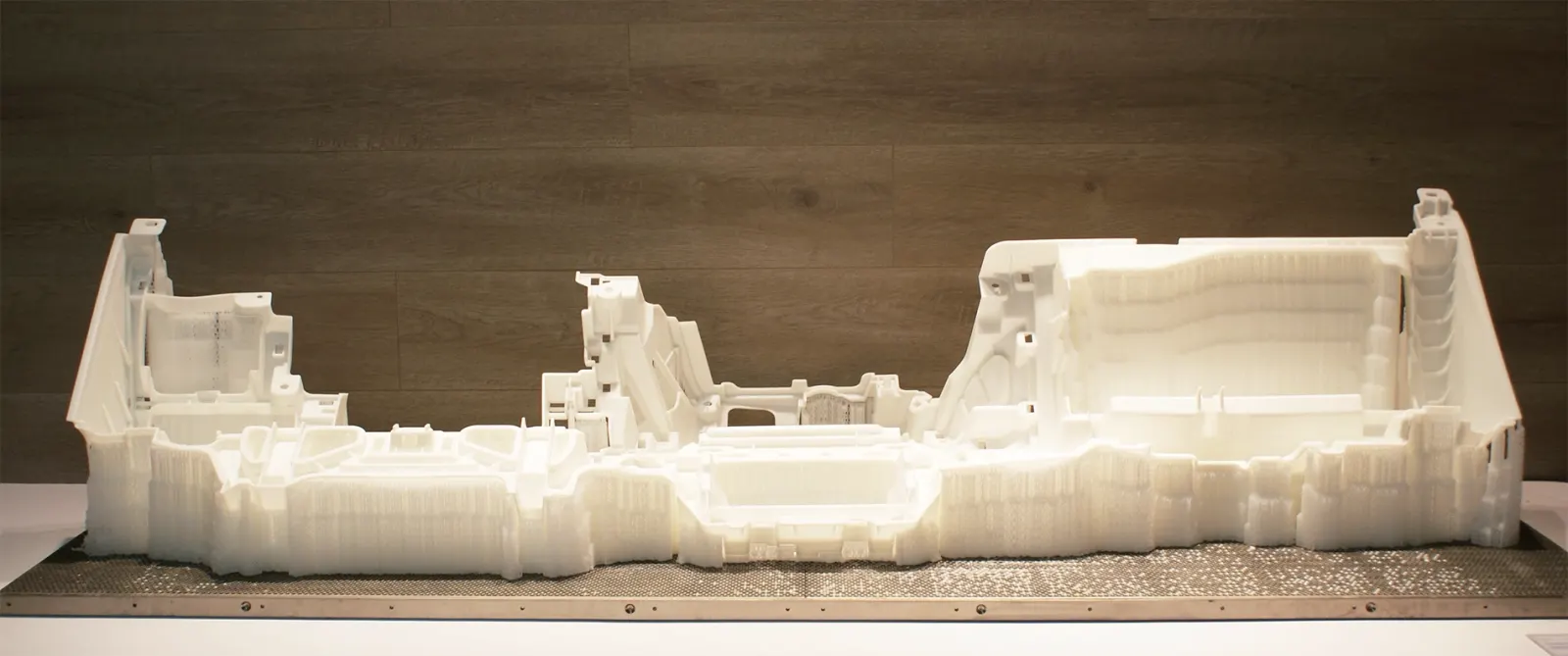
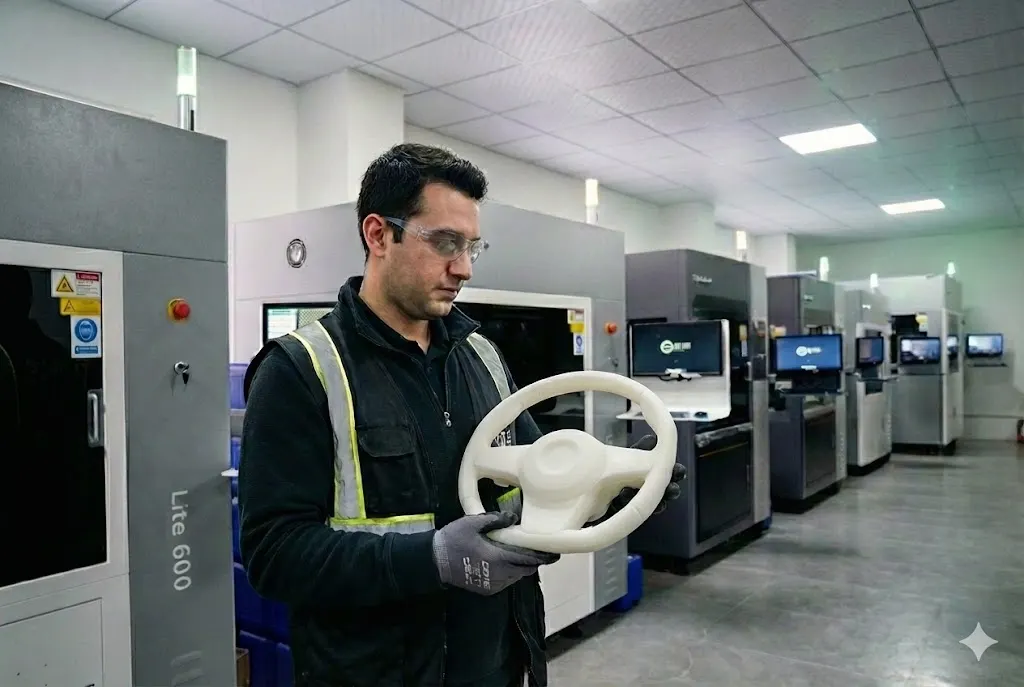
A Europac 3D technician holding an SLA printed steering wheel in front of a row of UnionTech 3D printersResin

Industrial SLA · stereolithography

Large-format resin printing for industrial applications

A laser above a vat of liquid resin traces and solidifies each layer. The build platform lowers into the vat and a fresh layer of resin is spread for the next scan.

  • Large build volumes take substantial parts in one piece, or batches of smaller components.
  • Smooth surfaces and an established industrial resin range suit prototypes, patterns and tooling.

Typical uses. Automotive prototypes, large housings, master patterns, display models and tooling.

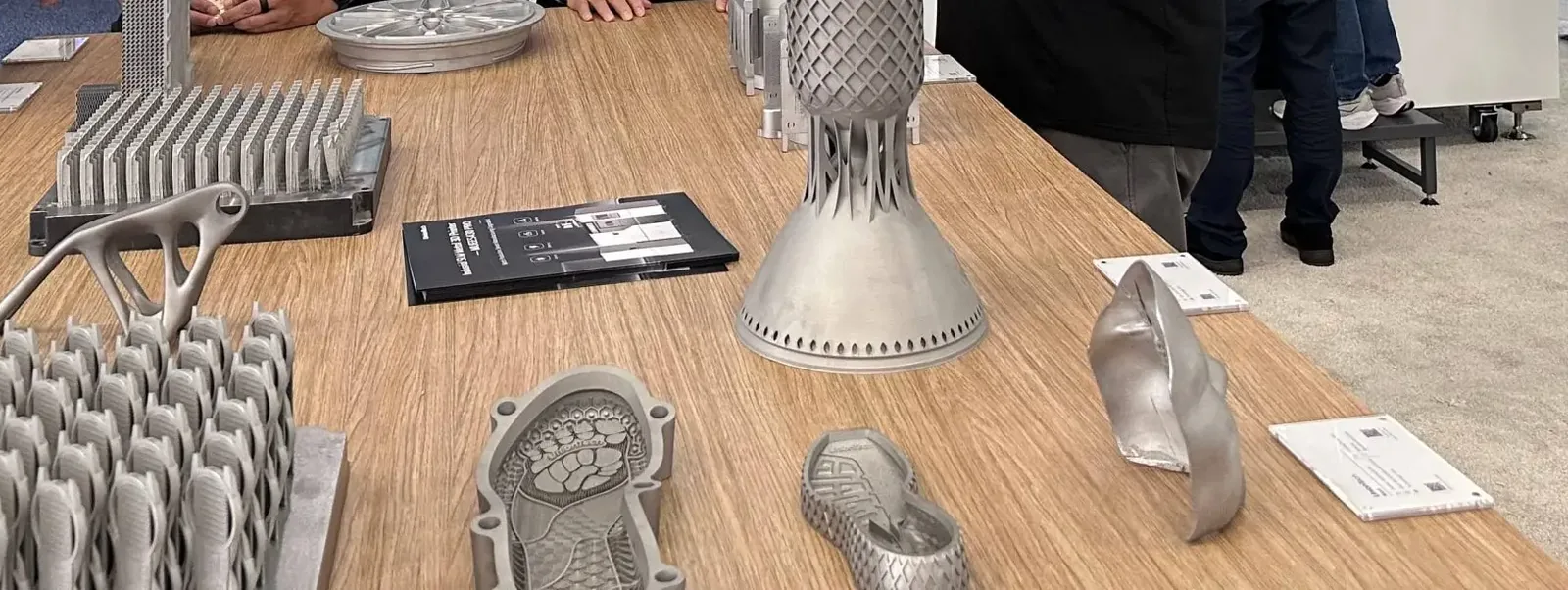
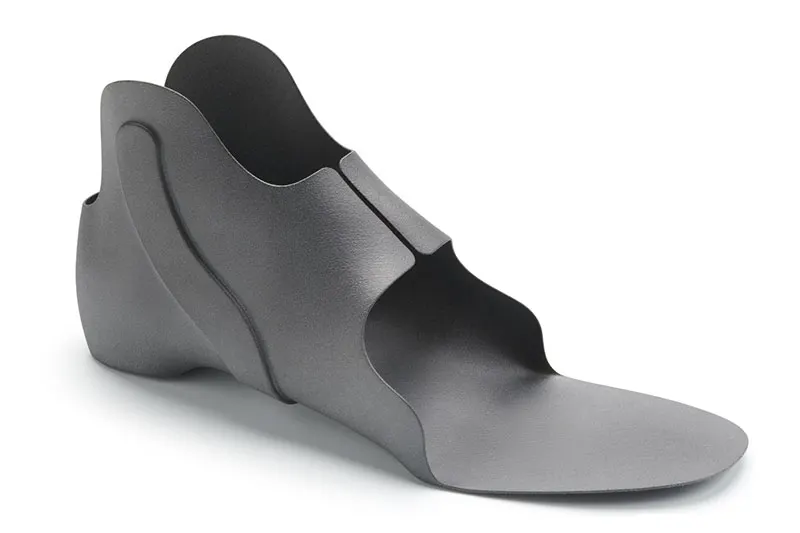
Metal parts printed on the UnionTech MUEES430 PRO laid out on a tableMetal

SLM · selective laser melting

Manufacture complex parts directly in metal

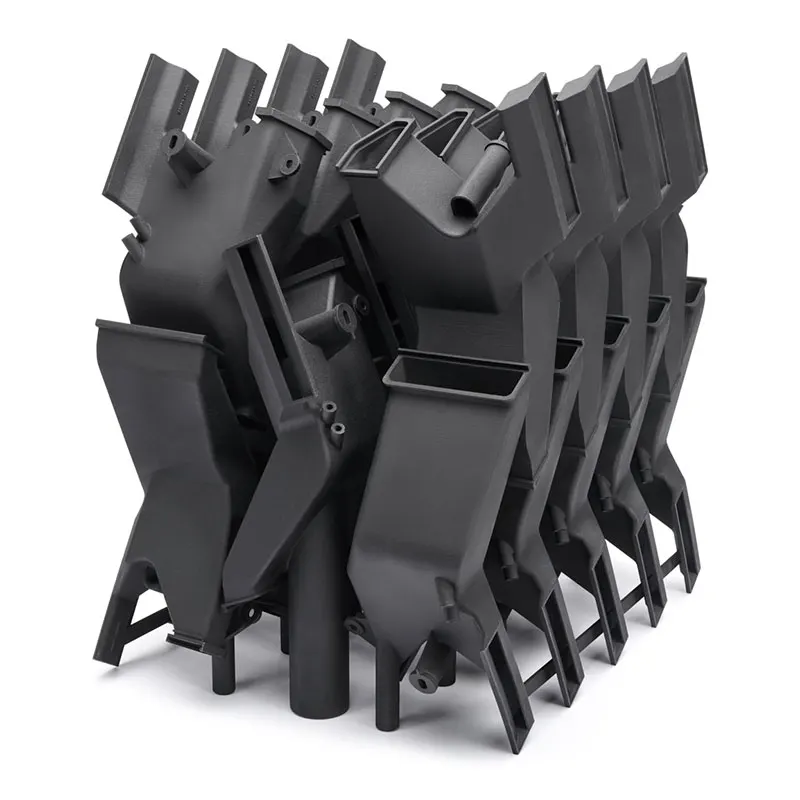
A form of laser powder bed fusion. A recoater spreads a thin layer of metal powder, lasers melt the selected areas and fuse them to the layer below, then the platform lowers and the process repeats, inside a controlled atmosphere.

  • Metal parts with complex shapes and internal features that can be hard to machine.
  • Several components built together, so suitable parts need no dedicated mould tooling.

Typical uses. Engineering components, metal tooling and parts with internal channels. Material and application are checked for each job.

Find the right system for your parts.

Tell us what you want to make, the material properties you need, your largest part and how many you expect to produce. We will help you compare the options.

Step 1 of 3Technology

Find the right system for your parts.

Which technology are you looking at?

A specialist replies the same working day. Rather talk? 0330 229 0175

1 of 2
What can we help with?

Tap one to get started.

A specialist replies the same working day. Rather talk? 0330 229 0175

Book a demonstration

Tell us what you work on and an engineer will set it up on the right kit.

Want to judge it on your own part? Upload your file to the instant quote and order a print in the material you are weighing up.

A specialist replies the same working day. Rather talk? 0330 229 0175