.svg)
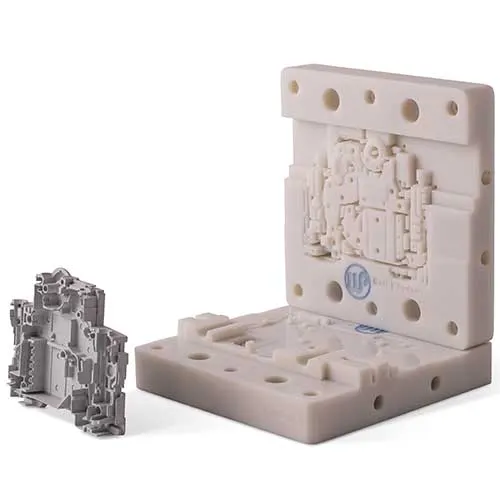
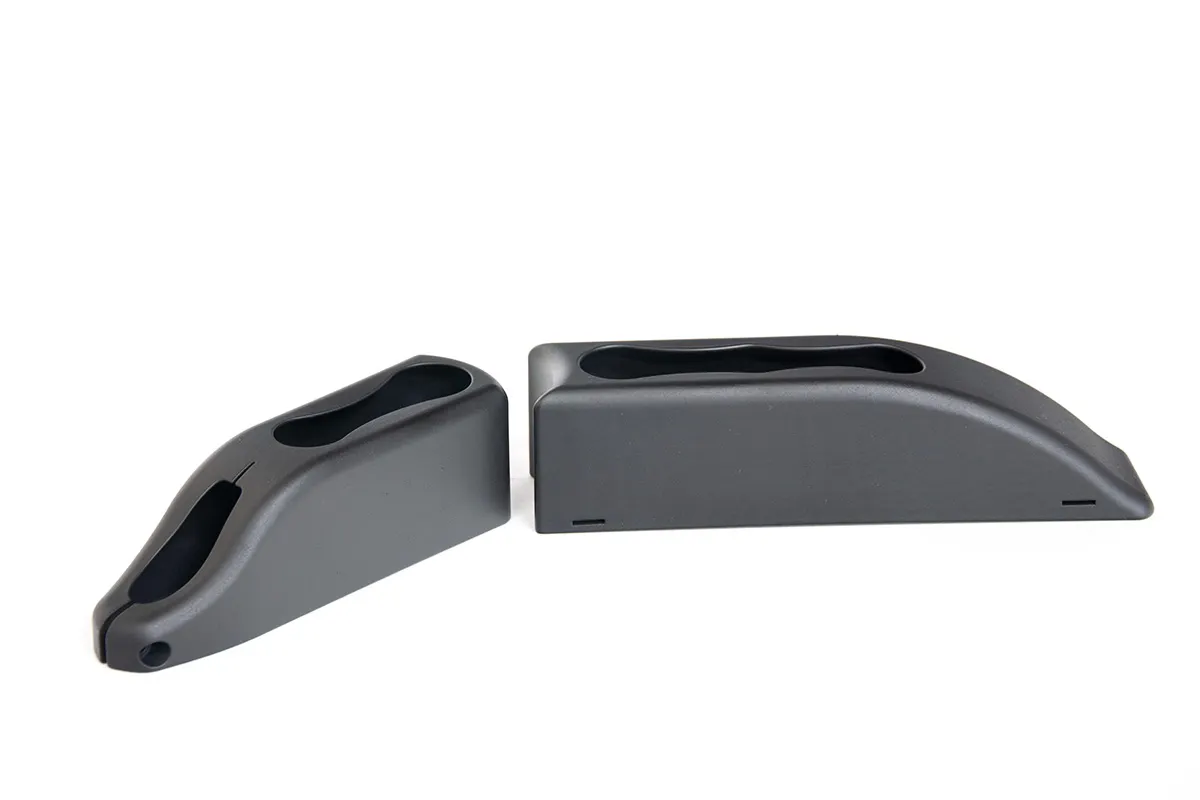
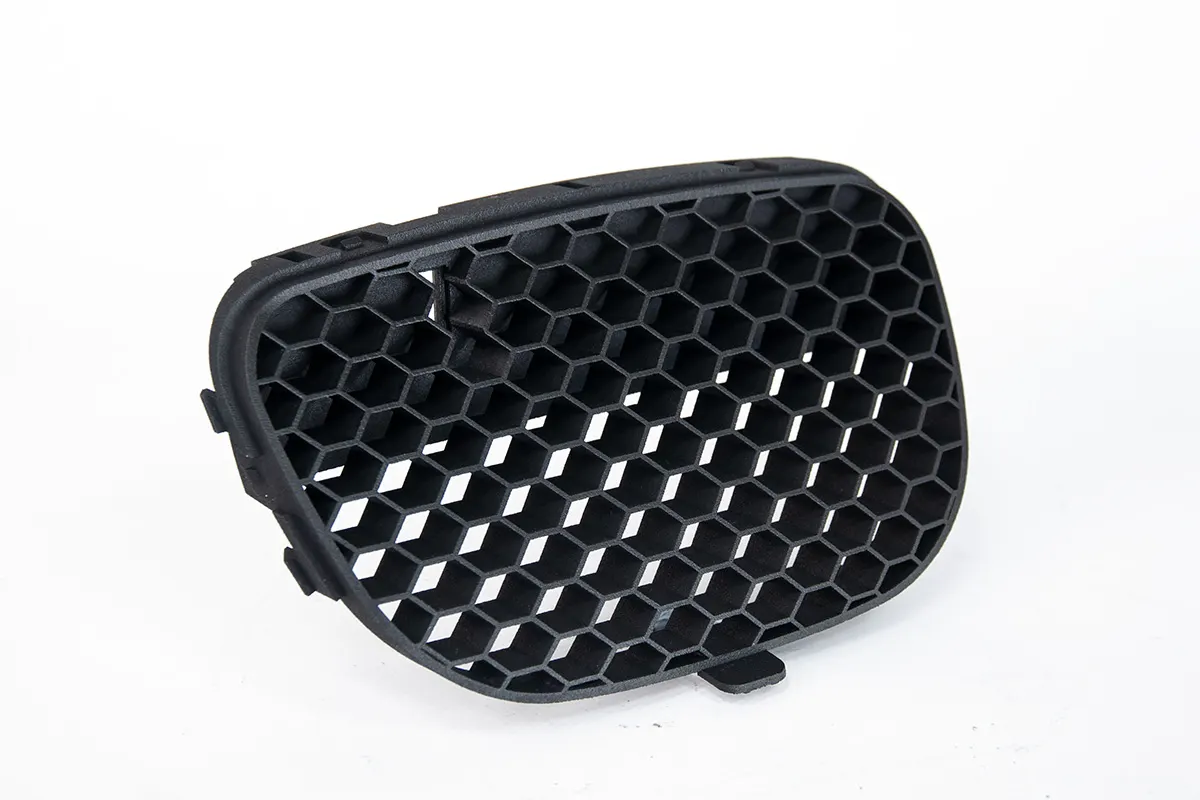
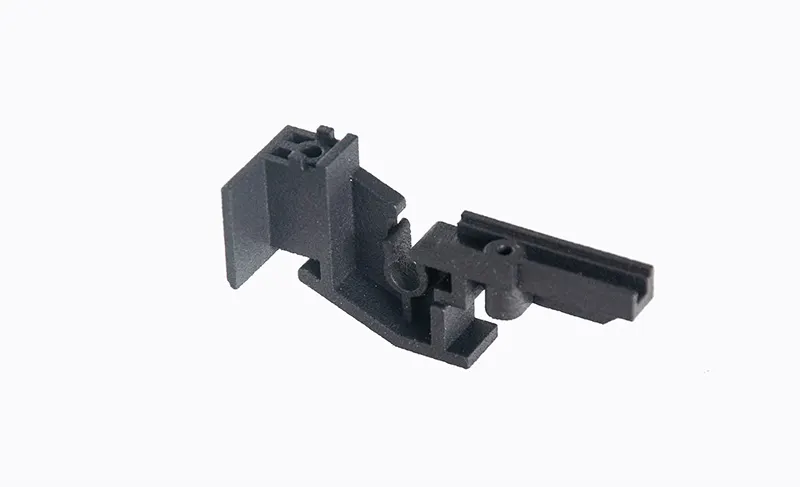
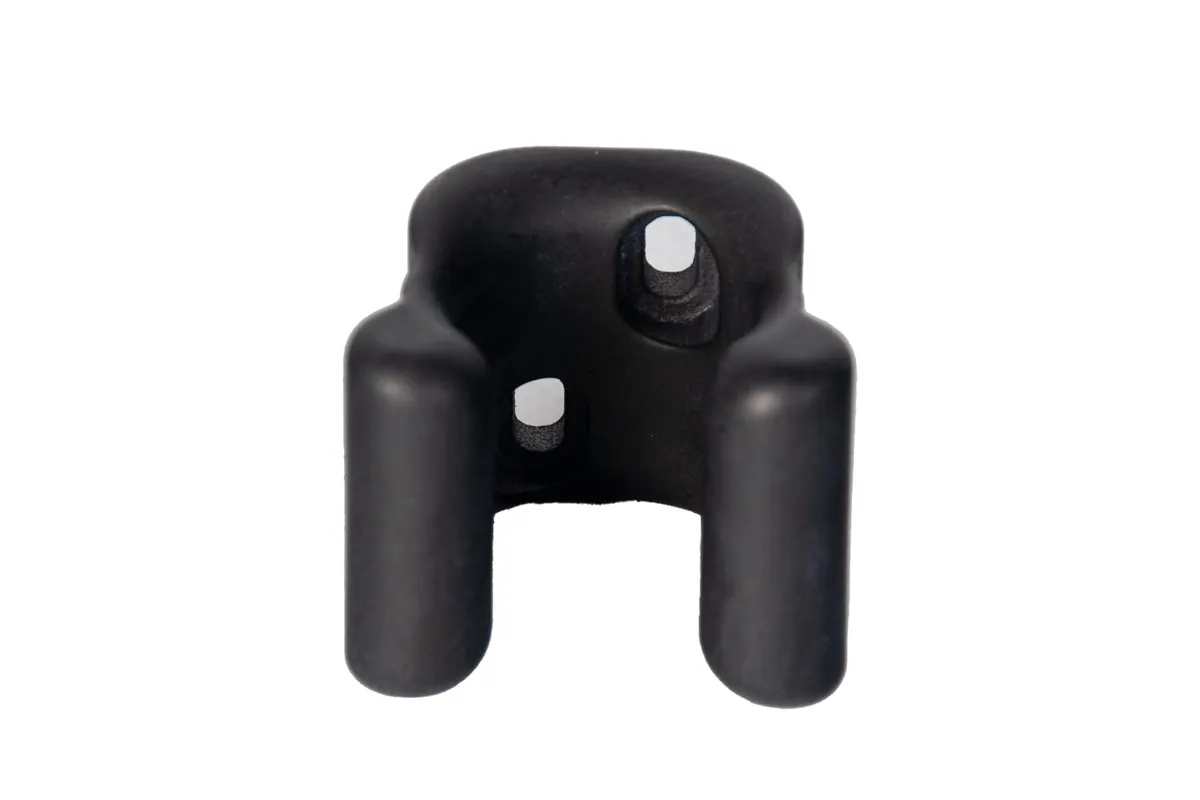
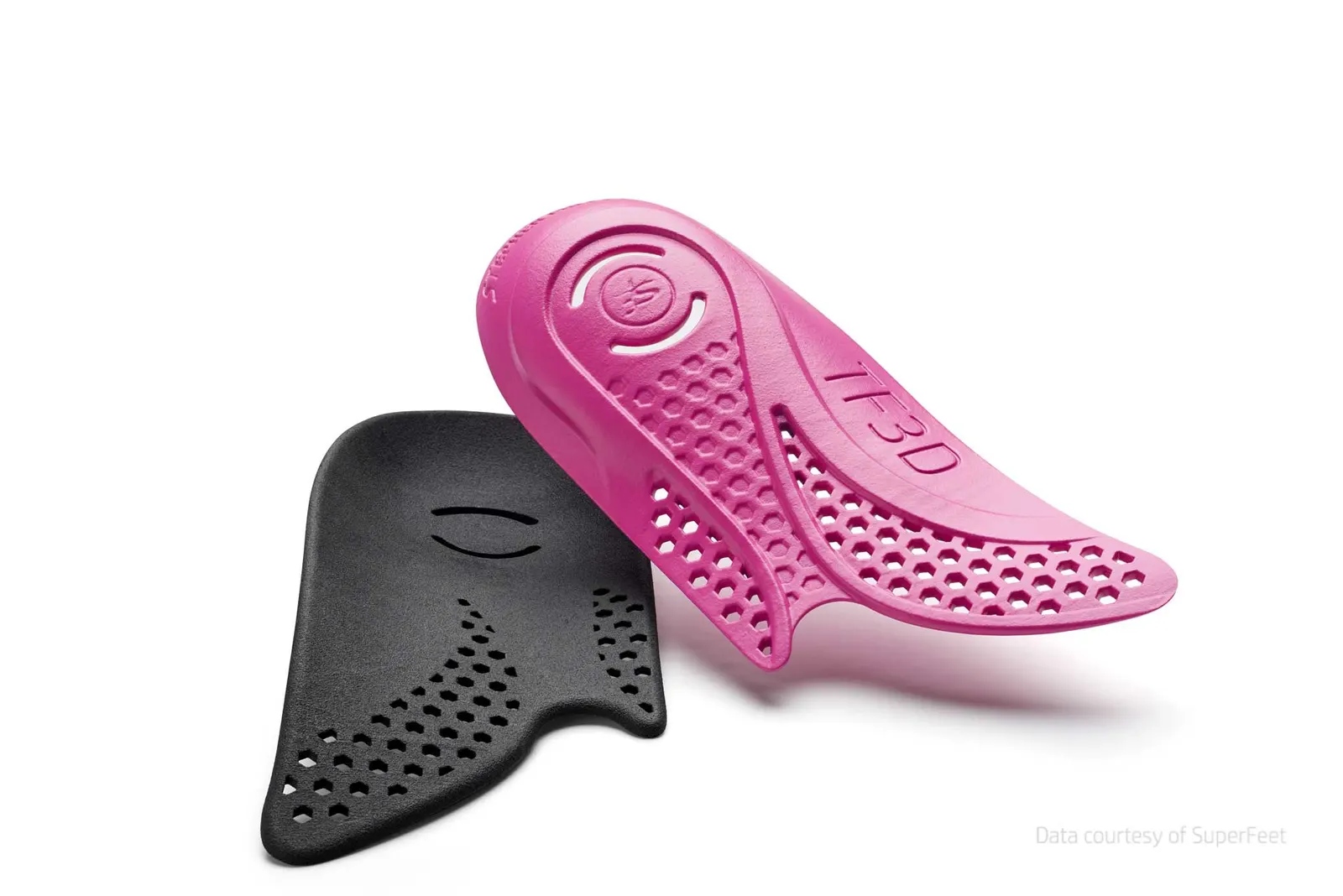
Insoles and splints made to one person rather than to a size, and surgical models a team can hold before the day itself.
Where it earns its keep
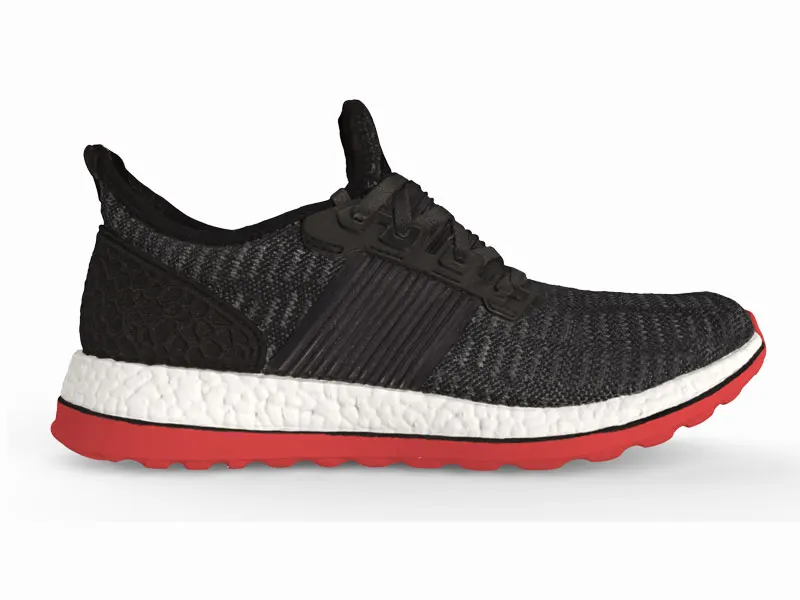
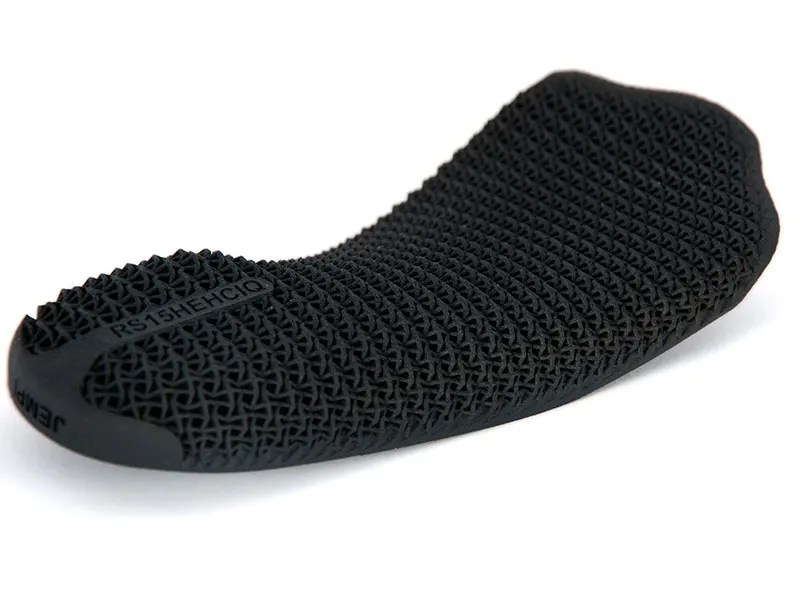
Custom insoles and orthoses, printed to a scan of the actual foot — see orthotics and insoles
Splints and supports in PA11 nylon, which flexes without cracking
Anatomical and surgical planning models
Prosthetic sockets, covers and fittings
How it gets printed
PA11 is the material that made this work practical: it is bio-based, it takes repeated flexing, and MJF prints it in a batch of hundreds at a time, so a lab can run a day of patients through one build. How we print orthotics goes through it properly.
Doing it yourself
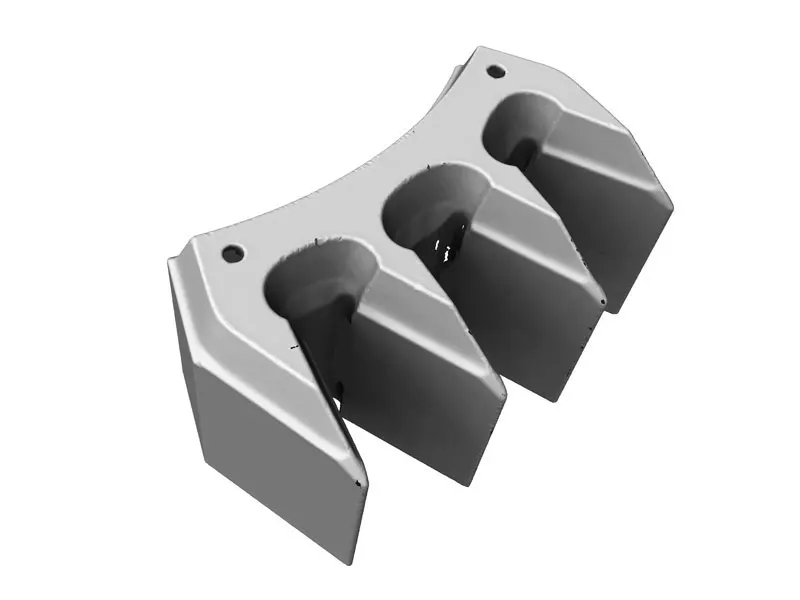
The scan at the front of the process matters as much as the print at the end. An Artec Leo captures a limb in seconds, handheld and wireless, which is the difference between a patient holding still and a patient holding still for two minutes.
Talk to an engineer, not a form
Describe the part and someone who prints these every week will tell you whether printing is the right answer — including when it is not. Send us the file, or call 0330 229 0175.